Chinese FM wraps up Europe visit, reinforces understanding
Tariffs, security, and China-Europe partnership addressed in key meetings
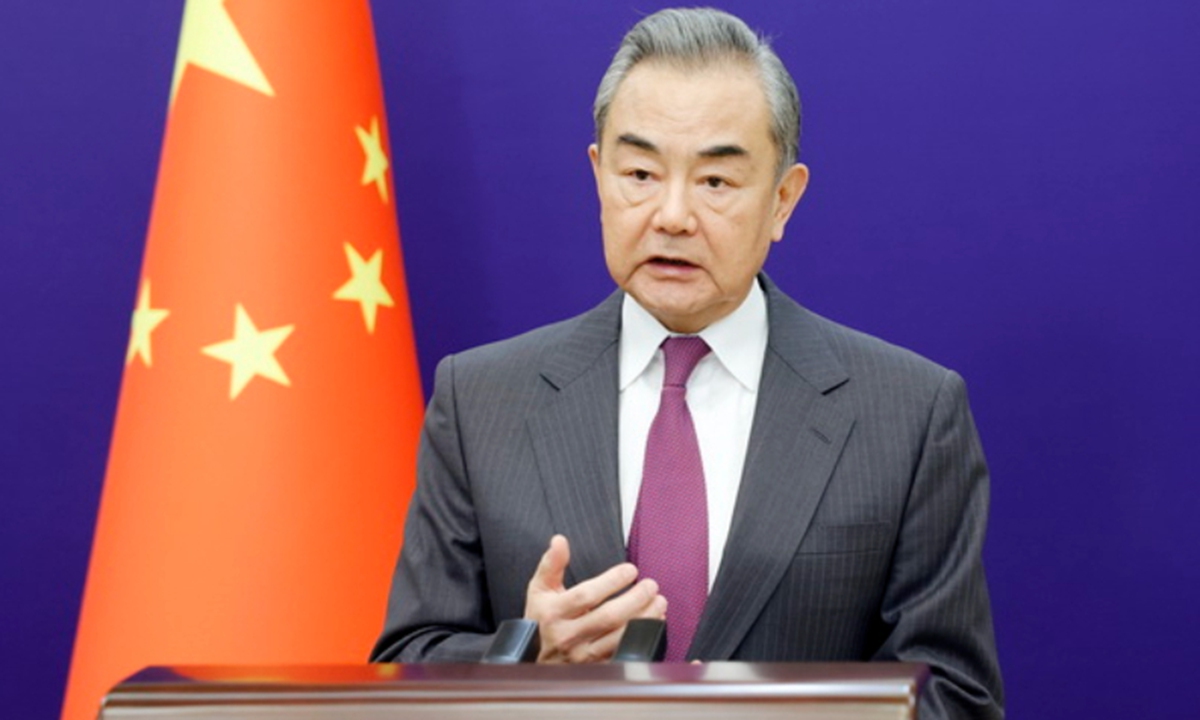
Wang Yi Photo: fmprc.gov.cn
Chinese Foreign Minister Wang Yi wrapped up his five-day trip to Austria, Slovenia and Poland on Tuesday. The visit served to consolidate the traditional friendship between China and these European countries, and build consensus on deepening cooperation, promoting development and safeguarding peace, a Chinese Foreign Ministry spokesperson said on Tuesday.
The spokesperson added that leaders of Austria, Slovenia and Poland all noted that they value the relations with China, stand ready to maintain high-level exchanges with China, and stressed that Europe and China are partners and need to enhance constructive dialogue and cooperation. All three countries said they welcome Chinese companies to invest and engage in cooperation in Europe.
Elaborating on Wang's trip, Foreign Ministry spokesperson Lin Jian said at Tuesday's press briefing that the visit deepened bilateral relations. Foreign Minister Wang Yi noted that China stands ready to step up strategic communication with the three countries, deepen China-Austria green cooperation, expand China-Slovenia practical cooperation, advance China-Poland cooperation on the Belt and Road Initiative, and strengthen cultural and people-to-people exchange, Lin said. China and Poland issued the Fourth Meeting of Poland-China Intergovernmental Committee Joint Conclusions, according to Lin.
"Foreign Minister Wang Yi noted that China and Europe should be friends rather than rivals, and should cooperate rather than confront each other. He expressed the hope that Austria, Slovenia and Poland will play a positive role in fostering an objective and rational understanding on China in the EU, and help advance the sound and steady development of China-EU relations," Lin noted.
Leaders of Austria, Slovenia and Poland all noted that they value the relations with China, stand ready to maintain high-level exchanges with China, and stressed that Europe and China are partners and need to enhance constructive dialogue and cooperation, Lin said.
According to Lin, the visit promoted the correct view of World War II history. Foreign Minister Wang Yi emphasized that this year marks the 80th anniversary of the victory of the World Anti-Fascist War. The Chinese people paid a huge price and made significant contribution to the victory in the Asian theater of World War II and the World Anti-Fascist War. The outcomes of the victory, including the restoration of Taiwan to China, must be upheld. "Taiwan independence" forces' attempts to split the country and undermine the post-war international order are doomed to failure, he said.
Wang's visit to Central and Eastern Europe follows closely his last trip to three Western European countries - Belgium, France and Germany in late June and early July. He also held the 13th round of the China-EU High-Level Strategic Dialogue with the EU's High Representative for Foreign Affairs Kaja Kallas.
Zhao Yongsheng, a research fellow at the Institute of Regional and International Studies at the University of International Business and Economics in Beijing, who has been conducting academic research in Europe recently, said that the increased frequency of visits by Wang reflects China's strategic and economic considerations beyond the significance of the 50th anniversary of China-EU diplomatic ties.
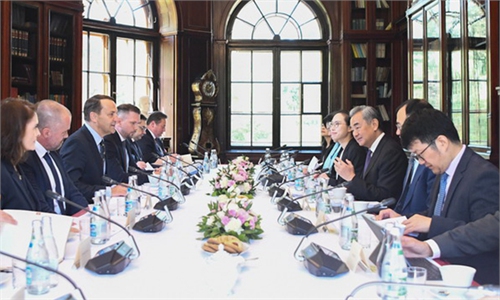
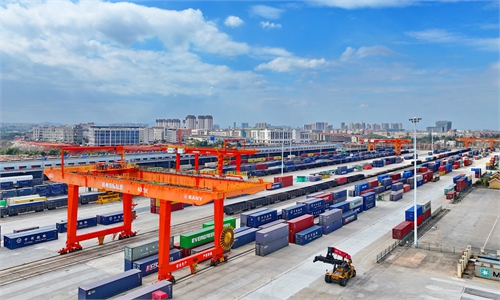
In Poland on Monday, Wang and his counterpart held the fourth meeting of the China-Poland Intergovernmental Committee, during which they expressed their willingness to ensure the safety and accessibility of the China-Europe Railway Express, and acknowledged in particular the shared interest in developing direct air transport links and the balanced growth of competitive air services between China and Poland, the Xinhua News Agency reported.
They also discussed China's export licensing for rare earth-related items to Poland and reaffirmed the need to strengthen communication and dialogue between the export control authorities of both countries and actively promote the compliant trade in dual-use items.
Wang stressed that China and Europe should stand together to oppose arbitrary tariffs that violate international trade rules and harm the legitimate interests of all countries. "In the face of unilateral bullying, compromise offers no way out, and acting as an accomplice will eventually harm one's own interests," he said on Monday in Warsaw when meeting with Polish Deputy Prime Minister and Foreign Minister Radoslaw Sikorski, according to Xinhua.
Zhao noted that the timing of the trip reflects China's commitment to being a responsible major world power as the ongoing Russia-Ukraine conflict is keeping Europe on edge. Further escalation could also seriously undermine China-EU trade.
On Ukraine issue, Wang's remarks served to cool tensions and reinforce China's role as a stabilizing force of neutrality and fairness.
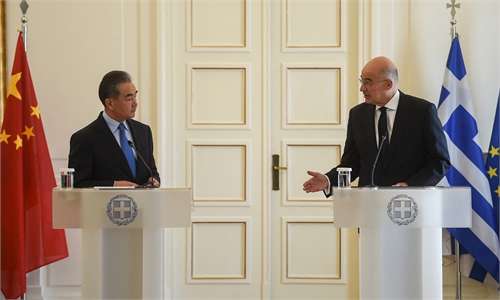
"War cannot solve problems, and sanctions will only complicate them. China does not participate in or plan wars, and what China does is to encourage peace talks and promote political settlement of hotspot issues through dialogue," Wang said at a press briefing in Slovenia.
Wang emphasized that none of the problems currently faced by Europe are caused by China. China and Europe should see each other as partners rather than rivals, and their relationship should move forward, not backward, he told Marko Lotric, president of the National Council of Slovenia.
"More broadly, Central and Eastern European countries often occupy a weaker position within the EU. These countries have urgent needs for investment and technology, and China's capital and industrial capacity match the region's need for modernization," Zhao said.
Jiang Feng, a research fellow at Shanghai International Studies University and president of the Shanghai Association of Regional and Country Studies, told the Global Times that Wang's visit is an important step to deepen China's pragmatic cooperation with Central and Eastern European countries, while also helping to build trust and broaden the space for engagement in China-EU relations as a whole.
Li Yu contributed to the story
RELATED ARTICLES