Illustration: Chen Xia/GT
An over two-year-long saga of the "China spy case" has finally come to an end, with the charges dropped due to a lack of evidence.Earlier this week, British prosecutors announced that they had dropped charges against two men accused of spying for China. While this decision represents a hard-fought victory for justice, the hype surrounding it is not over. The British Home Office stated that it was "disappointing that they will not face trial given the seriousness of the allegations." Some British media outlets continue to stoke fears, with one headline reading, "How collapse of Chinese spy case could leave the UK at greater risk of attack."
But has anyone who questions the outcome ever stopped to consider - could it be that, after more than two years of investigation, the police, prosecutors, and well-informed media simply couldn't produce enough evidence to prove the two men guilty, meaning these two individuals have been wrongly accused all along?
According to reports, the two British nationals, surnamed Berry and Cash, were arrested in March 2023 on accusations of providing information prejudicial to the interests of the state in breach of the Official Secrets Act. Cash worked as a parliamentary researcher and was director of the China Research Group, while Berry had previously worked in China. Their case was dropped because the evidence gathered did not meet the threshold to go to trial.
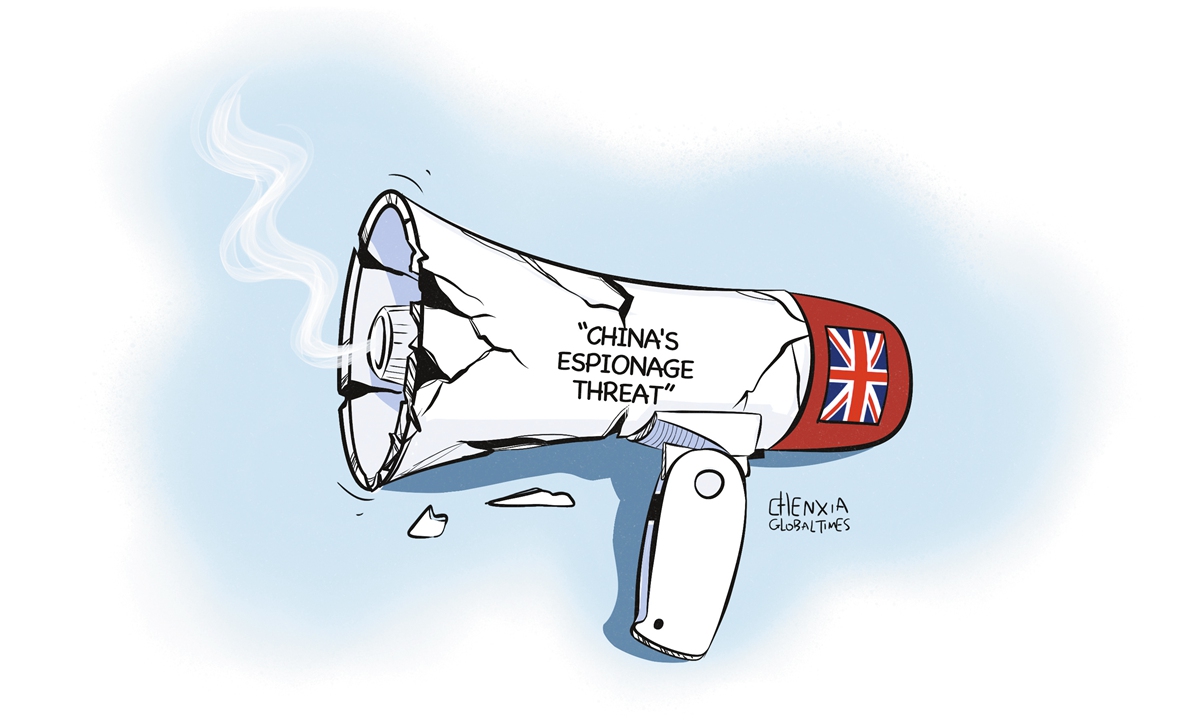
Speculated for unfounded reasons, presumed guilty, and arrested - only to be released two and a half years later due to insufficient evidence. Calling this a "farce" would not be an exaggeration. It exposes the so-called China's espionage threat as nothing more than a crafted lie for political reasons.
Some British politicians and media outlets still refuse to accept the court's verdict, revealing that, for them, the truth takes a backseat to advancing their anti-China agenda. The sensationalism persists, even at the cost of their own citizens. Where, then, is the "justice" in all of this?
In 2023, UK-China relations were at a low point. The UK repeatedly meddled in the Taiwan question and Hong Kong affairs, testing China's red lines and pushing the "China threat" narrative. The two espionage cases were particularly hyped by the media.
Even though the charges have been dropped, some people in the UK still hold onto the negative image that there are "Chinese spies" in their country due to the way the case was hyped. The sensational headlines, warnings from politicians, and ill-intentioned discussions among some experts regarding this so-called "threat" are still etched in the public's memory. The next time the "China threat" narrative starts gaining traction, will the public remember the truth - that the espionage charges were all false?
When the Labour government took office, it inherited the mess left by the Conservative administration: sluggish economic growth, a huge fiscal deficit, and pressing social issues. Britain's government even declared that the country was "broke and broken" in July 2024. Amid these challenges and pressures, the current administration is showing a more proactive stance in improving bilateral relations with China.
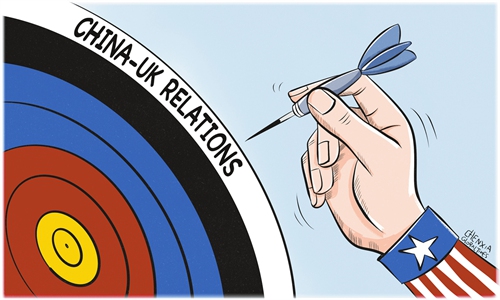
However, it's unfortunate that some anti-China forces persist in fabricating "China spy cases." Whether fueled by outdated ideological biases or influenced by the US, they seem intent on manipulating public opinion through misconceptions and hostility toward China, in an attempt to hijack the government's China policy.
On this kind of smears, the Chinese side has made its stance clear: China stands ready to grow its ties with the UK based on mutual respect and proper management of the differences, but doesn't accept any smear or groundless accusation.
Currently, China-UK relations are slowly emerging from their low point and gradually improving. But what is the key to fostering a healthy and stable relationship? Above all, some British politicians and media must recognize that the first step in mending these ties is to cease the demonization of China, curb unwarranted political sensationalism, and engage in a return to rational, objective dialogue.
RELATED ARTICLES