ARTS / CULTURE & LEISURE
‘Imperial cats’ defend Forbidden City, delighting visitors
Silent guardians
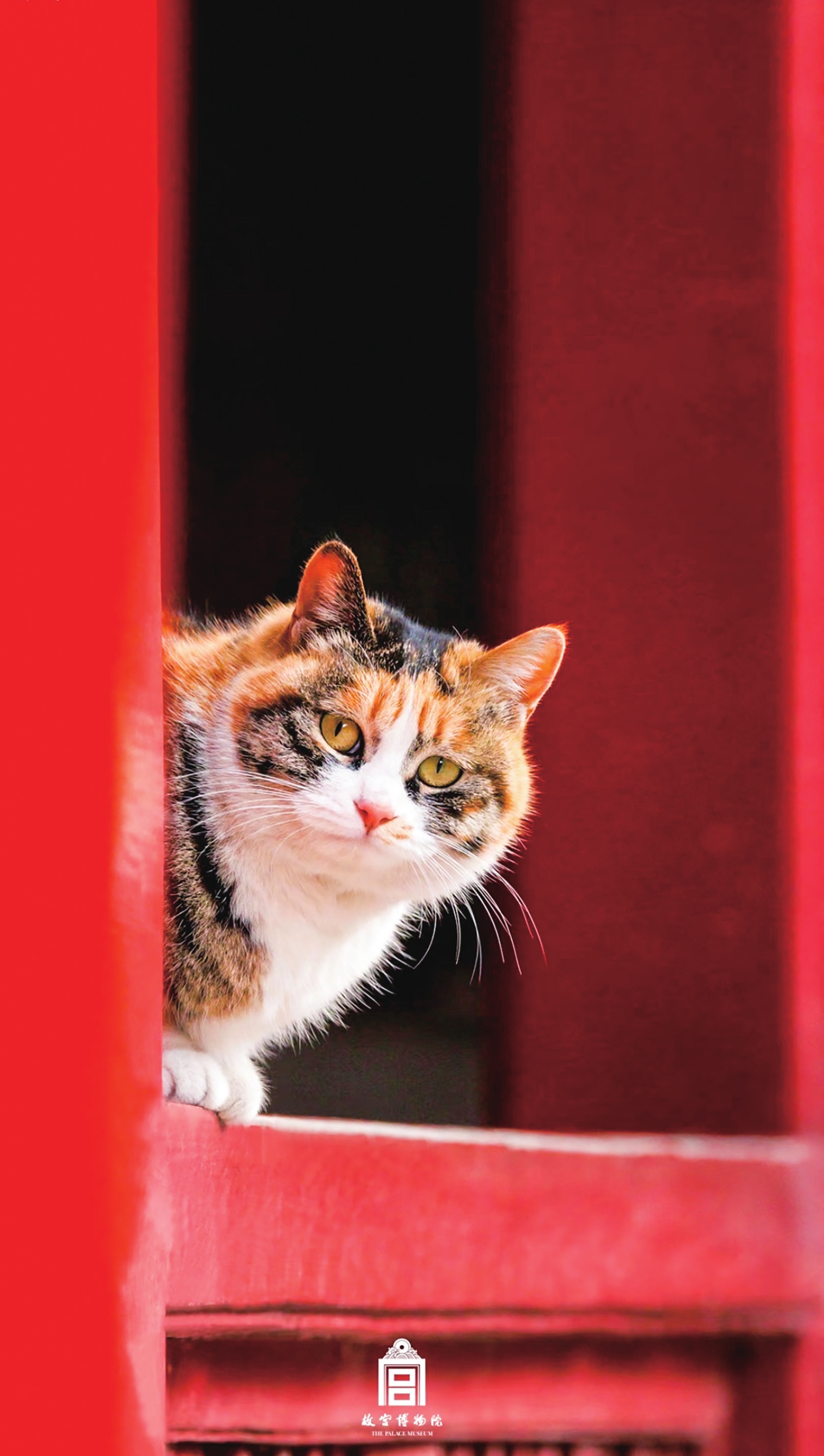
A picture of one of the "imperial cats" at the Palace Museum Photo: The Palace Museum
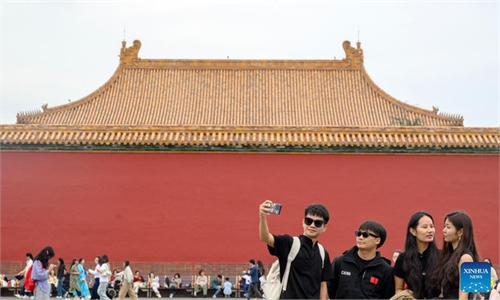
Under the golden eaves of the Forbidden City, where vermilion walls glow in the afternoon sun, another kind of "residents" stroll among the ancient structures. Between the marble balustrades and shaded courtyards, furry silhouettes stretch and wander. Once companions of the emperor's consorts, these cats now "rule" a very different court, one filled with tourists wielding cameras and phones.As the Palace Museum celebrates its centennial with a grand exhibition, the so-called Gongmao, or "imperial cats," roughly 200 felines who make their home inside the ancient imperial compound, have once again captured the public's hearts.
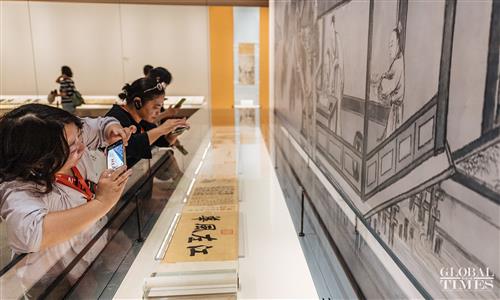
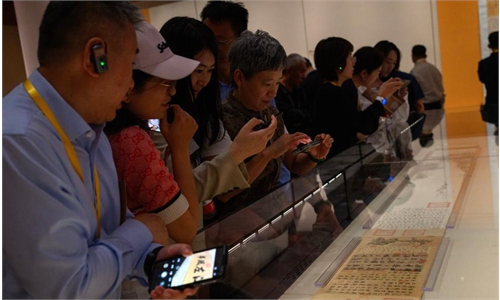
During the recent National Day and Mid-Autumn Festival holidays, as record numbers of visitors streamed through the palace gates, these cats became one of the museum's most unexpected highlights. For weary tourists queuing beneath the towering Meridian Gate to visit the special exhibition A Century of Stewardship: From the Forbidden City to the Palace Museum, the sight of a cat napping on a palace step or darting behind a crimson pillar became a moment of unexpected joy.
Visitors affectionately call them the "clawed guards," a nickname that reflects both their residence and their role: keeping a watch on the treasures of the imperial city.
Heritage keepers
Unlike the stray cats found in other scenic spots, the Forbidden City's feline residents have noble roots. Shan Jixiang, former curator of the Forbidden City, or the Palace Museum, once revealed that more than 200 cats roam the palace ground today, many believed to be descendants of those kept during the Ming and Qing dynasties (1368-1911). Beloved by people across China, they have become icons of the museum's unique blend of heritage and life.
Their long residence has given rise to habits as regular as clockwork. Cat enthusiasts have even mapped out "palace cat spotting guides" and feeding schedules (according to online posts, the best time for feeding these noble felines is 3 pm). Among the prime locations for some cat-spotting are the Treasure Gallery, the Jingren Palace, and the Shoukang Palace.
Wu Wei, a visitor from Datong, North China's Shanxi Province, recalled her surprise encounter. "I went [to the Forbidden City] on October 3," she told the Global Times. "When I saw the long line at the Meridian Gate [Wumen] for the centennial exhibition, my friend and I decided to wander toward the Treasure Gallery first. Suddenly we spotted a few cats lounging in the courtyard. At first, I thought they must belong to tourists, after all, who would expect cats to live inside the imperial palace?"
The story of these cats stretches back centuries. "Since the Ming Dynasty, cats have been officially kept inside the Forbidden City," Liu Zheng, a member of the Chinese Society of Cultural Relics, told the Global Times. "Their main duty was to protect important documents, fabrics, and artifacts from rats."
In the past, these imperial cats were even bestowed official titles. Liu explained that concubines and princesses began keeping cats as pets, seeking companionship within the vast and secluded palace. Over time, cats became both guardians or gentle companions of the imperial household.
For those who have worked within the Forbidden City for decades, the cats' contributions remain clear. Wang Jin, a veteran clock restorer with the museum's conservation department, recalled that when he began working at the museum in 1977, many antique pieces bore marks of rodent damage. "But in recent years," he told The Beijing News, "I haven't seen a single rat," adding that the credit belongs to the diligent patrols of the palace cats.
Today, each cat is registered and named by staff members, continuing this centuries-old tradition of service. Their "imperial stipend" still exists too, now distributed in the form of cat food, sausages, and occasional treats, all well-appreciated rewards for their quiet work under the moonlight.
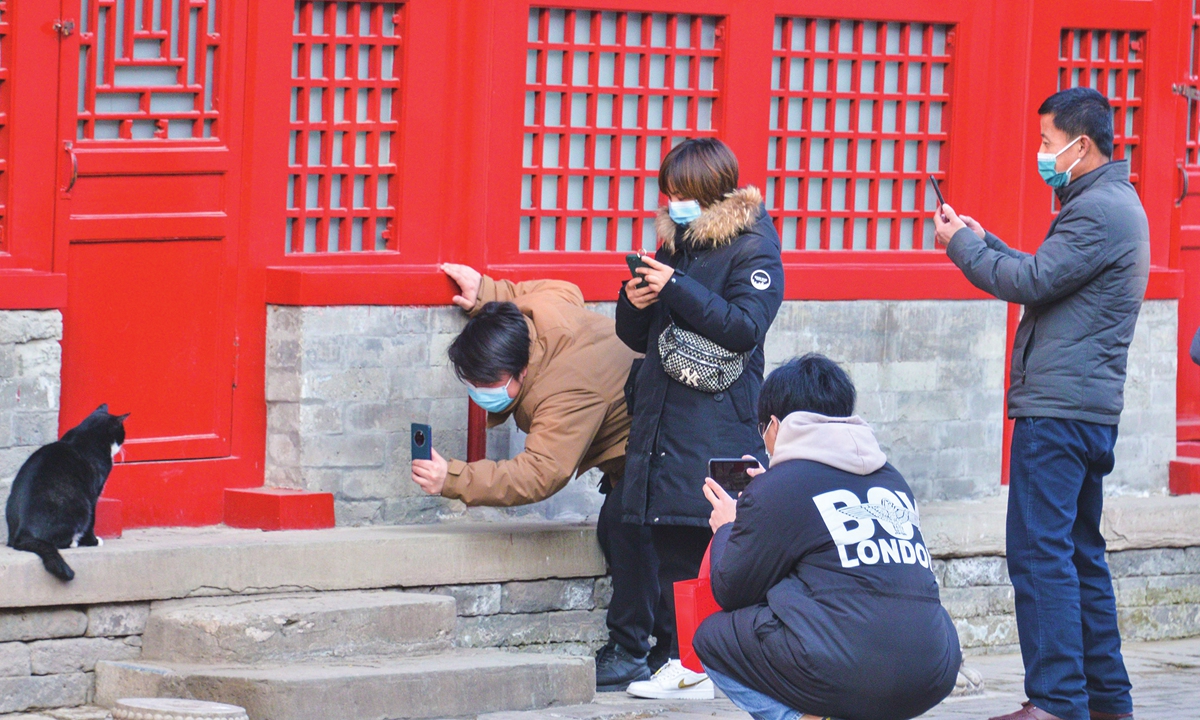
Visitors take pictures of an "imperial cat" at the Palace Museum in Beijing, on December 22, 2021. Photo: VCG
Care for furry iconsWhen Wu later shared her photos on social media, she discovered that the cat she met was no ordinary feline but one of the Forbidden City's most famous residents, a tabby cat named "Papa."
"Papa" first went viral for his delicate, almost melancholy appearance, though palace staff later playfully revealed him to be a "cat boss." His fame, however, only grew as did public fascination with his fellow palace cats.
Recognizing their popularity, the Palace Museum began regularly posting updates under the tag "records of the palace cats" on its official Weibo account, drawing thousands of likes and comments. The museum has even launched cat-themed cultural products, including notebooks and key chains, which have become must-buy souvenirs for visitors.
"Luban," a particularly photogenic palace cat, appeared as the narrator in the TV program Upped New, Old Palace introducing viewers to the site's architecture and stories, inspiring another wave of creative merchandise. "With the museum's growing focus on artifact preservation, the cats' role as pest control still exists, but it's no longer their main task," Chen Jiachang, deputy director of the Henan Provincial Institute of Cultural Heritage and Archaeology, told the Global Times. "Now, they serve a softer purpose of interacting with visitors, bringing vitality and warmth to the ancient complex."
Behind their charm lies careful management. To ensure harmony between animals and artifacts, the Palace Museum has developed a comprehensive welfare plan. Feeding stations in non-public areas provide balanced nutrition, while discreet shelters offer resting places away from tourist crowds. Meanwhile, staff regularly clean the grounds and carry out sterilization programs to prevent overpopulation.
If new kittens appear, caretakers provide attentive care and help find adoptive homes. Thanks to these thoughtful measures, the museum has achieved a rare balance, a living ecosystem coexisting peacefully with a centuries-old monument. As dusk fell and the palace roofs shimmered in the fading light, Wu prepared to leave. "The sun was setting, and we suddenly saw another cat walking along the wall," she said. "For many visitors, the palace cats are more than just a pleasant surprise. They represent the enduring vitality of the Forbidden City, a symbol of how the past is intertwined with the present."
RELATED ARTICLES