The definition of crimes against humanity should aim to build the broadest possible consensus: Chinese envoy
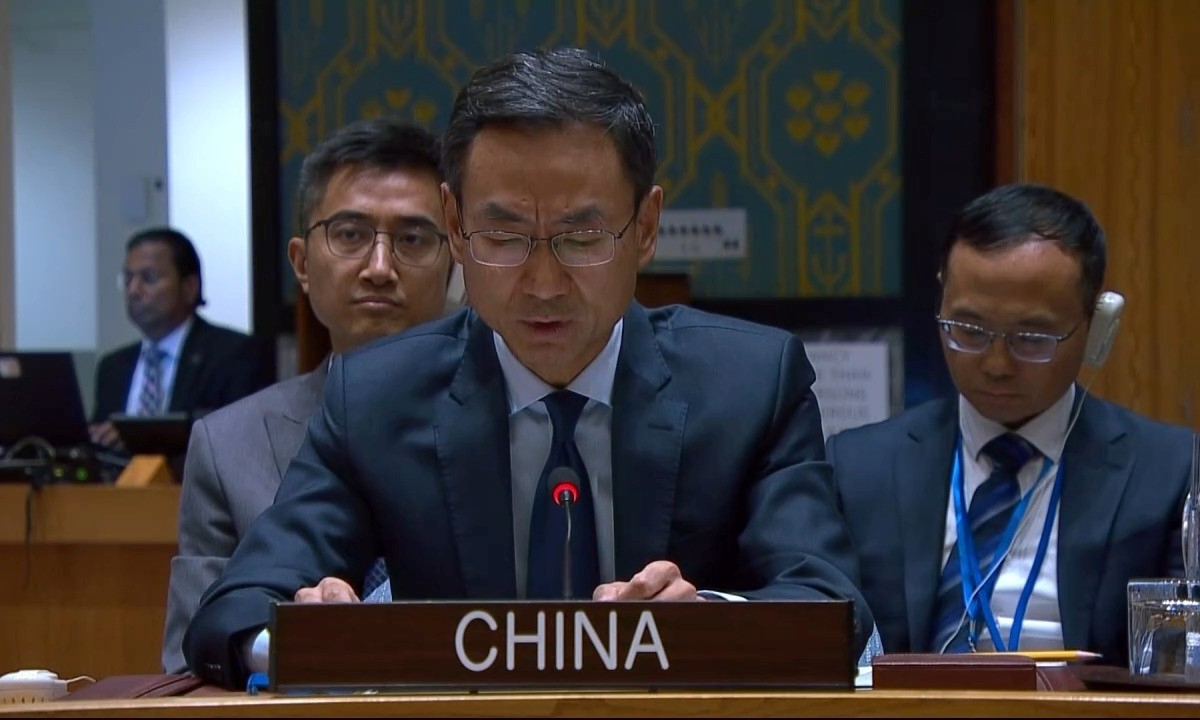
Geng Shuang, China's deputy permanent representative to the United Nations Photo: CCTV
Definition of crimes against humanity should be based on a comprehensive and thorough examination of state practices and aim to build the broadest possible consensus among all parties, Geng Shuang, China's deputy permanent representative to the United Nations said on Tuesday at the UN General Assembly, during discussions on the topic of "crimes against humanity."
Geng stated that crimes against humanity are universally recognized as serious international offenses. However, in recent years, the concept has been repeatedly subjected to political manipulation. Some countries are eager to label other nations as perpetrators of crimes against humanity while turning a blind eye to the large-scale and systematic human rights violations committed by themselves and their allies. All parties should jointly oppose double standards and reject the politicization and labeling of crimes against humanity.
Geng said that the prevention and punishment of crimes against humanity often relate to international peace and security. To safeguard the stability of international relations and prevent actions carried out under the pretext of combating crimes or protecting human rights from becoming interference in internal affairs or acts of armed aggression, the Draft Articles on the Prevention and Punishment of Crimes Against Humanity should emphasize fundamental principles of international law—such as respect for state sovereignty and territorial integrity, the prohibition of the use or threat of force, and non-interference in internal affairs. It should also reflect customary international law rules, including respect for the criminal jurisdictional immunities enjoyed by state officials under international law.
He further stressed that international cooperation in combating crimes against humanity should respect the national conditions and differences in legal systems among countries, demonstrating flexibility and inclusiveness.
Geng noted that after years of difficult consultations, the UN General Assembly adopted Resolution 79/122, which decides to launch the treaty-making process for the Convention on the Prevention and Punishment of Crimes Against Humanity in 2028. China stands ready to continue participating constructively in the preparatory work and negotiations related to the convention.
He emphasized that the treaty-making process is an intergovernmental legislative process led by states. It should fully respect and safeguard the interests and concerns of all countries, and the specific arrangements for the convention should be discussed on the basis of consensus. Non-governmental organizations, civil society, and the private sector may play a supportive role in the process, but their mandates and activities must be closely related to combating crimes against humanity and must not undermine the sovereignty and territorial integrity of states or other major interests.
Geng stressed that China has always believed that formulating a convention is not a prerequisite for combating crimes against humanity. Existing international humanitarian law, human rights law, and customary international law already provide important legal foundations for this purpose. He added that the treaty negotiations should broadly listen to the views of all parties, fully take into account their concerns, and ensure that the eventual convention is widely accepted and effectively implemented.
RELATED ARTICLES