Illustration: Chen Xia/GT
The Global Leaders' Meeting on Women was held in Beijing this week. It was convened to commemorate the 30th anniversary of the Fourth World Conference on Women held in the Chinese capital.
I had the privilege of witnessing the World Conference on Women in Beijing in 1995, a milestone that contributed to the global movement for gender equality. This week's summit offered a chance to renew that vision in a world that is more interconnected, but also more divided.
Having worked within the UN during the years that followed the 1995 Beijing Conference, I have seen both the progress we can celebrate and the inequities that persist. Despite legal reforms and new technologies, too many women still face barriers to opportunity and safety. Gender-based violence, economic exclusion and the silencing of women's voices in decision-making continue to undermine the promises of equality.
At the same time, there are sources of hope. The Sustainable Development Goals (SDGs) have given us a universal roadmap, and women are leading in areas once dominated by men - from science and climate action to peacebuilding and entrepreneurship. The digital age, if used responsibly, offers new tools for education, connection and advocacy.
The real opportunity lies in making these advances inclusive and sustainable. The lesson of the 1995 Beijing Conference remains clear: No progress is permanent unless it is shared, and no equality is complete unless it reaches every woman - rural and urban, young and old, visible and unseen.
As someone who stood in Beijing in 1995, I have watched with respect how China has carried forward the commitments it made. Hosting the Fourth World Conference on Women in 1995 placed China at the heart of a global movement, and since then it has translated those principles into national policies that have improved education, health and opportunity for women across the country.
The steady rise in women's participation in the workforce and leadership positions reflects both policy and mindset shifts. Support for entrepreneurship and professional training has helped close long-standing gaps.
These efforts echo the spirit of global partnership that the Beijing Declaration and Platform for Action envisioned - the same spirit embodied in campaigns advancing the SDGs today. They remind us that when countries invest in women's capacity, they multiply their potential for peace, innovation and shared prosperity.
China's approach provides a valuable example of how gender equality can be built into the architecture of national development. By embedding women's advancement in its five-year plans, China has shown that equality is not a separate policy, but a strategic driver of growth and social cohesion.
For developing nations, this offers a practical model. It demonstrates that with political will, clear targets and sustained investment, progress is achievable and measurable. China's training of more than 200,000 women from over 180 countries shows how knowledge-sharing and solidarity can turn ideals into outcomes.
I have had the privilege of working alongside many outstanding women who have shaped the global movement for equality. From that perspective, I see this week's summit carrying a clear message to young women everywhere: Your time is now. The world shaped by the Beijing Conference belongs to you to advance - with courage, creativity and conviction.
The UN will continue to turn the vision of Beijing into action through the Commission on the Status of Women, UN Women, and its partnerships with governments and civil society. Public engagement also matters. For me, this is not just about passing a torch - it's about keeping the light burning, together, until equality becomes part of everyday life.
The article is compiled by the Global Times based on an interview with Dr Djibril Diallo, president and CEO of the African Renaissance and Diaspora Network. He served as director of communications for the UN Development Programme and is a former spokesperson for the president of the UN General Assembly. opinion@globaltimes.com.cn
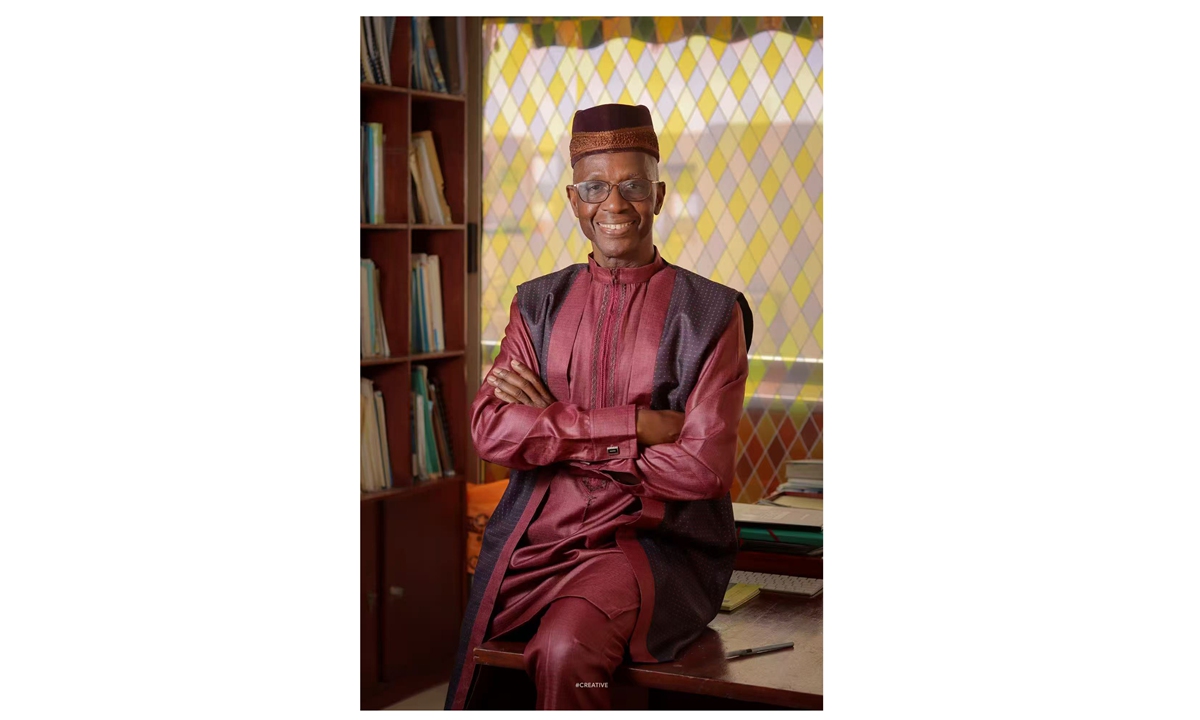
Dr Djibril Diallo
RELATED ARTICLES