Audrey Hepburn's son Luca Dotti wins China lawsuit over unauthorized use of her name, likeness

Audrey Hepburn Photo: VCG
A report that Audrey Hepburn's son, Luca Dotti, prevailed in a lawsuit against a Chinese restaurant chain drew wide attention on Chinese social media over the weekend after the Suzhou Intermediate People's Court in East China's Jiangsu Province publicized the case as a model decision protecting personality rights.
In a post on its official WeChat account on Friday, the court released several typical cases concerning the lawful protection of personality rights, including one involving the posthumous personality interests of the late international film star Audrey Hepburn, who died on January 20, 1993.
According to the case summary, a catering company incorporated in 2004 began operating, without authorization, under the trade name "Angel's Hepburn Time Restaurant" in 2014. It used Hepburn's name and portrait in its business signage, official website, and WeChat account for commercial promotion. Luca Dotti argued that the company's conduct infringed upon the actress's personality dignity and caused him, as a close relative, both mental distress and economic loss. He sued, seeking an injunction to stop the use of Hepburn's name and likeness, a public apology, damages of 1 million yuan ($140,419), and over 118,000 yuan in reasonable enforcement expenses.
During the proceedings, the company ceased using the actress's portrait but continued using the name of Hepburn. The company contended that Hepburn's personality rights were extinguished upon her death and that her son lacked standing to assert the claims; it further argued that its use of the term "Hepburn" was a legitimate, non-disparaging use and that its voluntary cessation of portrait use during litigation should preclude monetary liability.
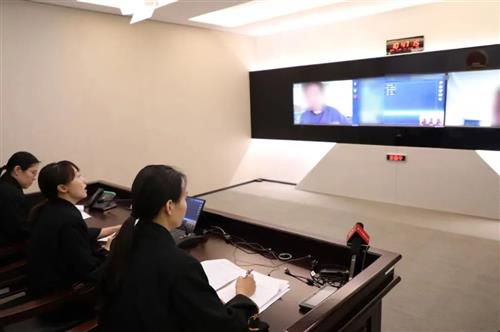
The People's Court of the Suzhou Industrial Park, which is the court of first instance, ordered the company to immediately cease using "Audrey Hepburn" as a name, to issue an apology to Luca Dotti and to pay 200,000 yuan in economic damages. The Suzhou Intermediate People's Court, the second instance court, affirmed the judgement. The effective judgment held that a deceased person's name and portrait constitute the deceased's personality interests protected by law, and that the economic interests derived therefrom may be inherited and enjoyed by close relatives; as Hepburn's close relative, Dotti had standing.
The Suzhou Intermediate People's Court pointed out that, as a globally influential public figure, Hepburn's name and portrait had been used extensively and for profit by the company, without authorization. Although the use did not amount to insult or defamation, it was likely to mislead the public into believing that there was a specific association with the actress, thereby infringing upon her posthumous personality interests.
The court noted that even though the company stopped using the portrait during litigation, two factors sustained liability: First, the prolonged use of the distinctive name "Hepburn" on storefront signage, backdrops, and the trade name had created a lasting impact on consumer perception; Second, in light of linguistic and cultural conventions and how foreign names are rendered and recognized in China, the two-character Chinese transliteration of Hepburn has a stable, specific association with Audrey Hepburn. Continued use therefore constituted infringement.
The court characterized the matter as a representative case safeguarding the personality interests of a well-known deceased public figure. It emphasized that posthumous personality interests remain to be protected by law and that for publicly influential individuals, the dignity and economic value embodied in their names and portraits do not extinguish upon death. Protecting the deceased's personality interests both safeguards the rights of close relatives and reflects China's Civil Code's commitment to the value of personality dignity. The court cautioned market participants to respect others' personality rights in commercial promotion and to obtain lawful authorization before using public figures' names or portraits, urging businesses to avoid "piggybacking on hot topics," which may constitute unfair competition.
The decision trended on China's X-like social media Sina Weibo, a major Chinese social media platform, where many users voiced support for the courts' rulings and viewed the case as a benchmark for protecting the lawful rights and interests of foreign celebrities in China.
Global Times
RELATED ARTICLES