China US
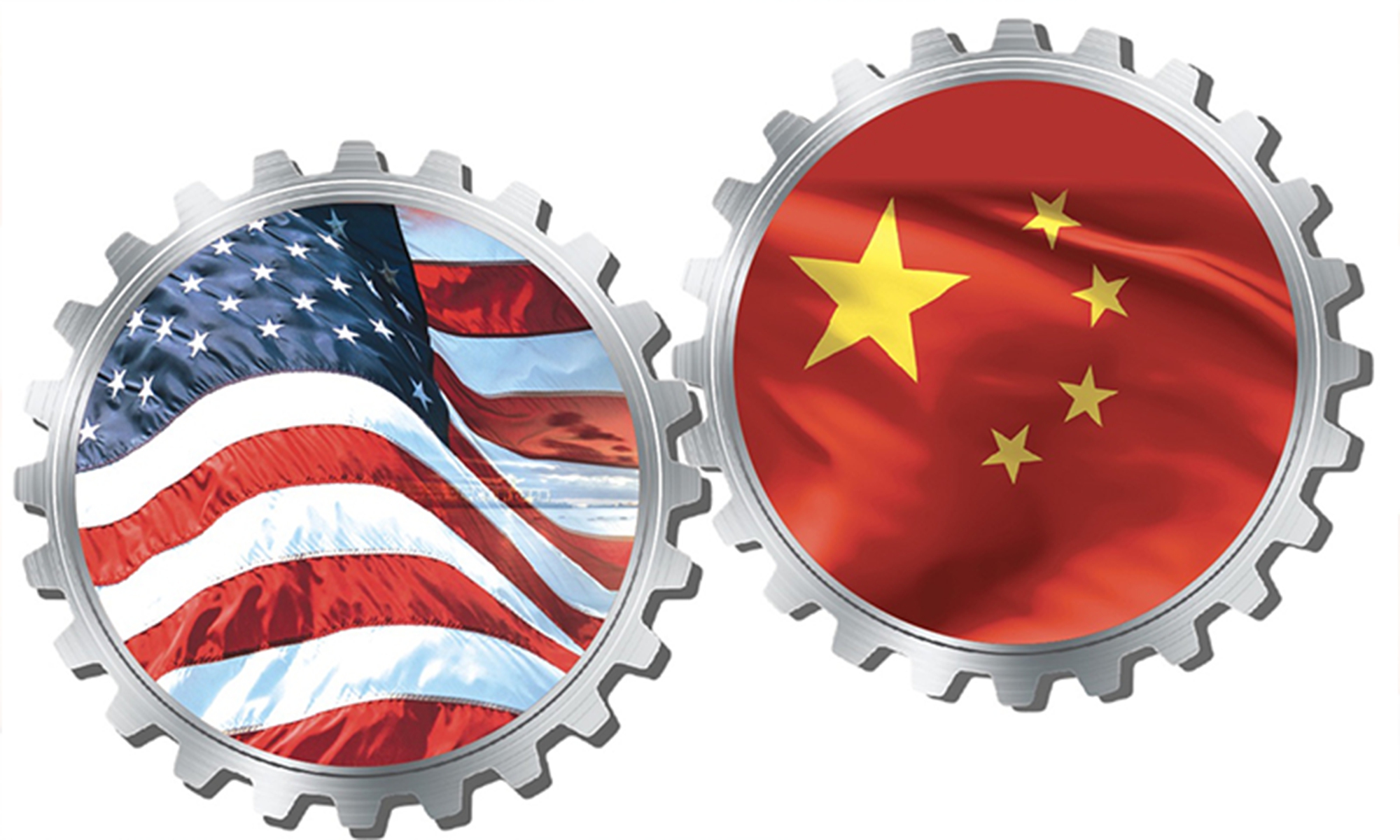
Many eyes might have opened when RAND Corporation published a report this month acknowledging that "it might be possible to find limited mechanisms of stabilization [in the China-US bilateral relationship] across several specific issue areas." While it would be easy to suggest that such a statement seems rather mild, given the abrupt speed with which the White House shifts its views on China, even a cautious approach to discussing relations between the two global economic superpowers can be regarded as an optimistic sign.Let's review various elements of the report before taking a closer look at what might have been behind the creation of the publication of the document. Titled "Stabilizing the U.S.-China Rivalry," the report argues that six somewhat connected principles must guide future conversations: The US should accept the legitimacy of the Communist Party of China; reestablish several trusted lines of communication between senior officials on both sides; improve crisis-management practices; create specific new agreements to limit friction over cyber-related issues; promote nuclear deterrence; and seek modest cooperative ventures on interests that overlap or relate to humanitarian concerns. Perhaps the best way to summarize these six ideas is to acknowledge that all possible efforts must be made to get both sides talking more and ensuring more people are involved in those conversations.
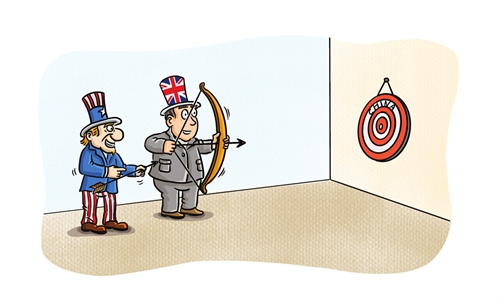
The document also takes a significant look at the island of Taiwan, a decades-old hot spot between the US and China, primarily because the Americans often talk about supporting the one-China principle while undertaking actions that offer Taiwan confidence that Washington will remain a critical supplier of military and other aid necessary to combat China.
Viewed another way, the US insists it believes in preventing fires while it also gives fire-starting equipment to others. If Washington were to focus more on prevention and less on provocation, tensions on this issue would be reduced.
In the report, suggestions relating to "keep(ing) the prospect of war as hazardous and uncertain as possible for China" reflect a chronically negative US mind-set that a military conflict might be the only way to resolve the question of Taiwan's future reunification with the Chinese mainland. Meanwhile, a TIME magazine editorial noted that "Taiwan constitutes a core interest for China and the military balance gets ever more lopsided against Taiwan by the day." And remember, it was only a couple of years ago that key military leaders threw into doubt the US' ability to sustain and win a war against China.
Perhaps the "hazardous and uncertain" reality is on Washington's side. The US tried and failed to inject democracy into Iraq at the beginning of this century, and just a few years ago, the US left Afghanistan as it was unable to destroy the Taliban. For anyone to argue that the US could go to war with China and come out victorious would be extremely naive.
With that in mind, what might be influencing suggestions that "stability" in the China-US relationship is essential right now? One answer seems obvious: Washington's lust for tariffs is placing real strain on the American workers and the country's economy; lower growth, or a dreaded recession, would limit a host of policies. Or perhaps the military community is seeking to throw cold water on any war rhetoric. In 2024, RAND received over $200 million from the departments of Homeland Security, War, Air Force and Army. All of those agencies are aware of the potential consequences of a sustained military conflict with China.
Both nations, and the global community at large, would benefit from more positive talk and more constructive decisions emanating from Beijing and Washington. Perhaps progress must be cautious at the moment, but progress is always positive.
The author is an associate professor at the Department of Communication and Organizational Leadership at Robert Morris University. The opinions expressed in this article are solely those of the author and do not necessarily reflect the views of Robert Morris University. opinion@globaltimes.com.cn
RELATED ARTICLES