G7 urged to abide by market principles, stop undermining global trade order via 'small circle' rules, FM on bloc's reported critical minerals alliance
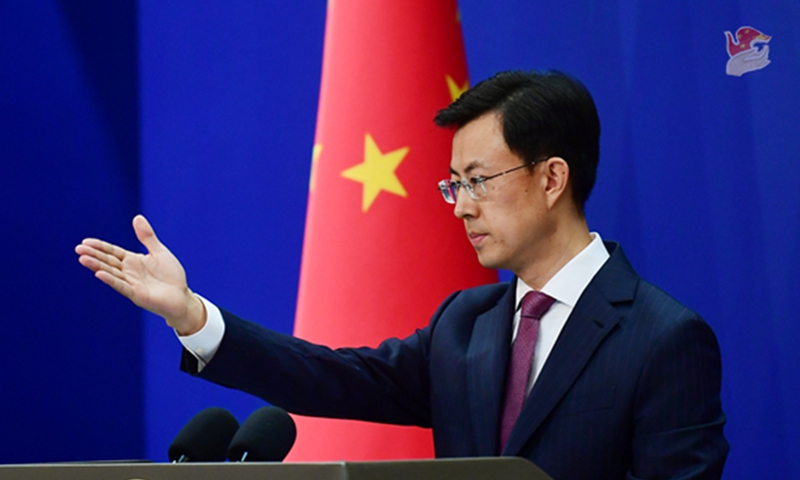
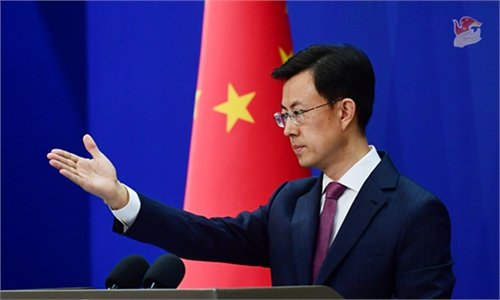
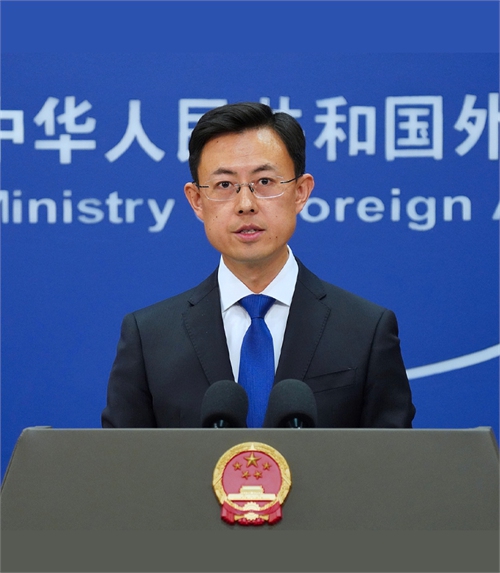
Chinese Foreign Ministry spokesperson Guo Jiakun
A Chinese Foreign Ministry (FM) spokesperson on Thursday urged the Group of Seven (G7) to earnestly observe the principles of market economy and international trade rules, stop disrupting the international trade order with the self-made rules of a group, and jointly work for a stable global economy.
Remarks by spokesperson Guo Jiakun came in response to reports that the G7 is set to announce a critical minerals production alliance in a bid to "counter China's dominance in the sector."
China took steps to standardize and improve the export control system. This is consistent with international practice and aimed at better upholding world peace and regional stability and performing non-proliferation and other international obligations, Guo told a press briefing.
The group of wealthy countries - the US, Canada, the UK, Germany, France, Italy and Japan - plans to unveil the pact at the conclusion of a meeting of its energy ministers in Toronto on Friday, Bloomberg reported on Thursday, citing a senior government official.
According to the report, the initiative is said to target what the G7 calls China's "market manipulation," referring to its adjustments in export control policies and production levels of certain critical minerals - an accusation China has firmly rejected, stating its measures are legitimate and consistent with international norms.
This development represents a stage in the G7's ongoing effort to "decouple" from China in critical minerals, driven by their "technological anxiety" and "political bloc-building," Liu Dan, a research fellow at the Center for Regional Country Studies at Guangdong University of Foreign Studies, told the Global Times on Thursday.
"But achieving real decoupling, whether in rare earths or other key minerals, will be a long and difficult process, given China's leading edge across the entire supply chain," Liu said, adding that "seeking confrontation in these crucial sectors will come at the cost of their own interests, making the long-term feasibility and effectiveness of such a push highly questionable."
Global Times
RELATED ARTICLES