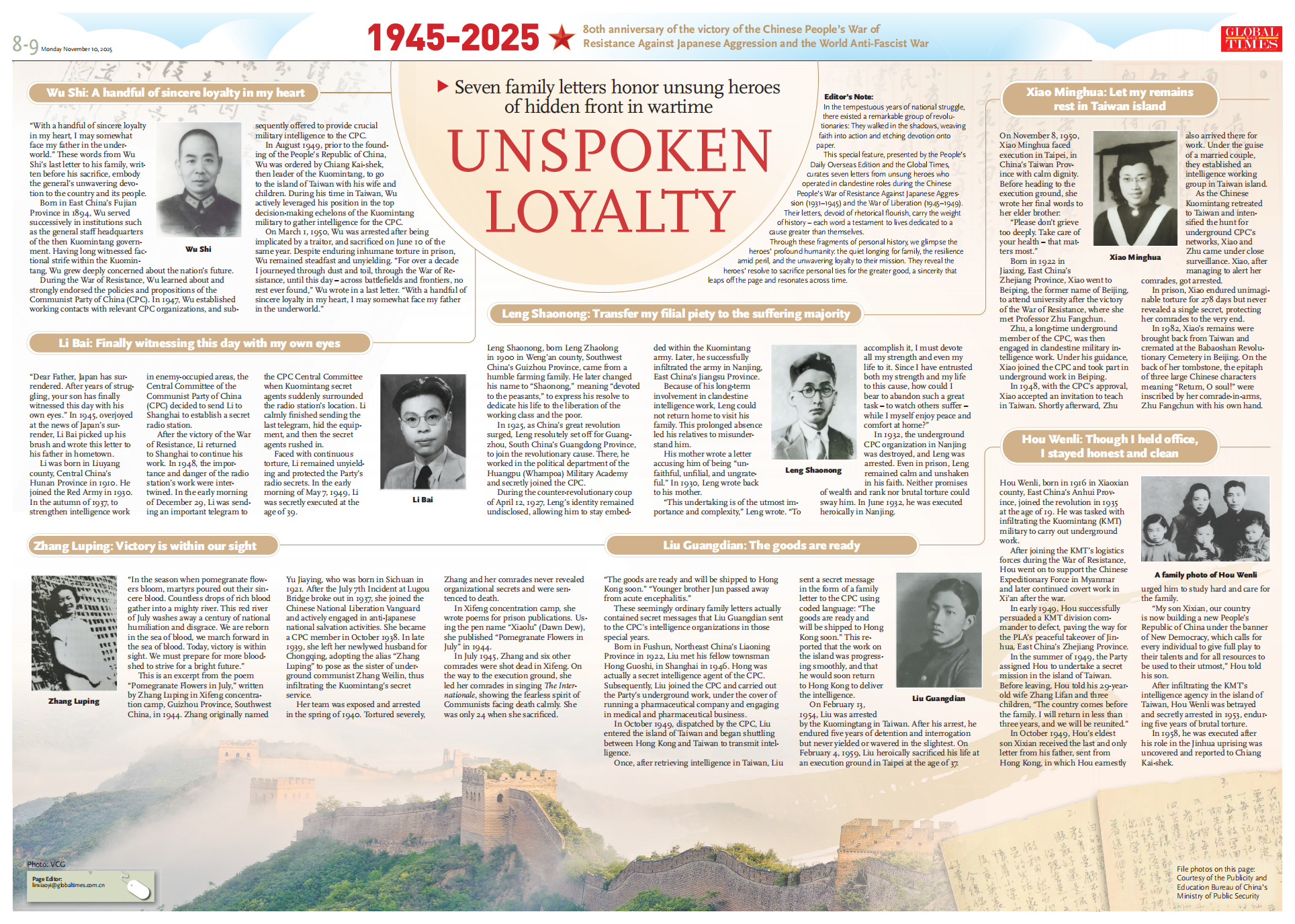
A view of the Great Wall Photo: VCG
Editor's Note:In the tempestuous years of national struggle, there existed a remarkable group of revolutionaries: They walked in the shadows, weaving faith into action and etching devotion onto paper.
This special feature, presented by the People's Daily Overseas Edition and the Global Times, curates seven letters from unsung heroes who operated in clandestine roles during the Chinese People's War of Resistance Against Japanese Aggression (1931-1945) and the War of Liberation (1945-1949). Their letters, devoid of rhetorical flourish, carry the weight of history — each word a testament to lives dedicated to a cause greater than themselves.
Through these fragments of personal history, we glimpse the heroes' profound humanity: the quiet longing for family, the resilience amid peril, and the unwavering loyalty to their mission. They reveal the heroes' resolve to sacrifice personal ties for the greater good, a sincerity that leaps off the page and resonates across time.
Wu Shi: A handful of sincere loyalty in my heart
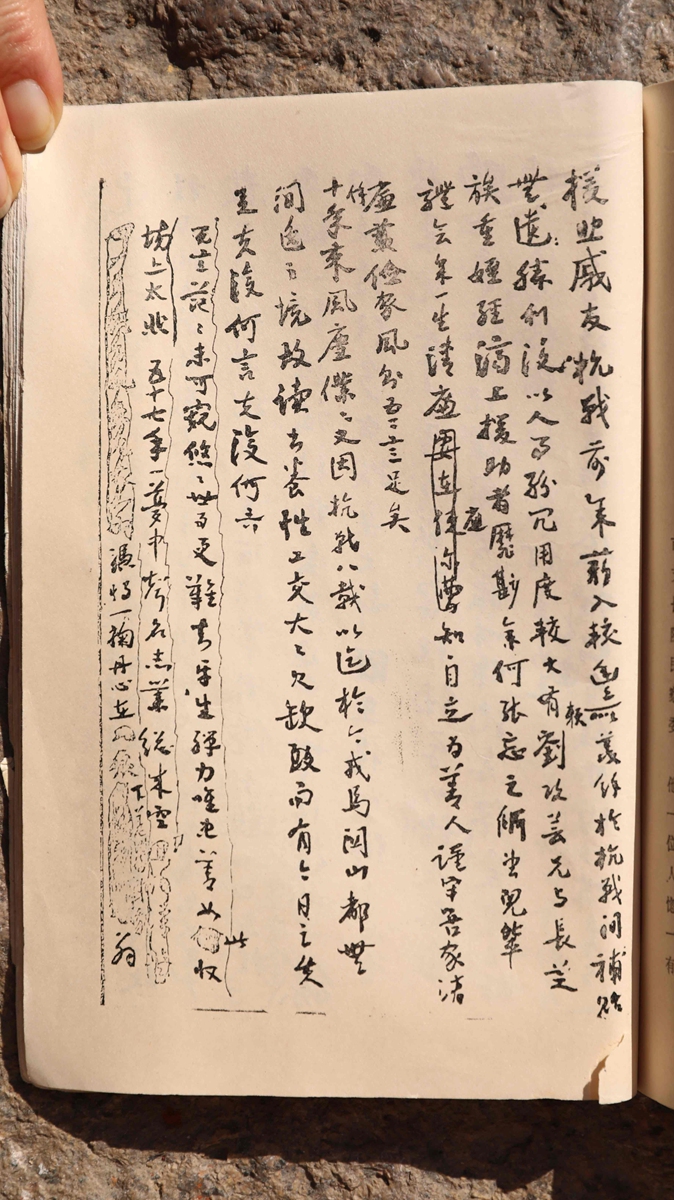
Wu Shi's last letter. File photos on this page: Courtesy of the Publicity and Education Bureau of China's Ministry of Public Security
"With a handful of sincere loyalty in my heart, I may somewhat face my father in the underworld." These words from Wu Shi's last letter to his family, written before his sacrifice, embody the general's unwavering devotion to the country and its people.
Born in East China's Fujian Province in 1894, Wu served successively in institutions such as the general staff headquarters of the then Kuomintang government. Having long witnessed factional strife within the Kuomintang, Wu grew deeply concerned about the nation's future.
During the War of Resistance, Wu learned about and strongly endorsed the policies and propositions of the Communist Party of China (CPC). In 1947, Wu established working contacts with relevant CPC organizations, and subsequently offered to provide crucial military intelligence to the CPC.
In August 1949, prior to the founding of the People's Republic of China, Wu was ordered by Chiang Kai-shek, then leader of the Kuomintang, to go to the island of Taiwan with his wife and children. During his time in Taiwan, Wu actively leveraged his position in the top decision-making echelons of the Kuomintang military to gather intelligence for the CPC.
On March 1, 1950, Wu was arrested after being implicated by a traitor, and sacrificed on June 10 of the same year. Despite enduring inhumane torture in prison, Wu remained steadfast and unyielding. "For over a decade I journeyed through dust and toil, through the War of Resistance, until this day - across battlefields and frontiers, no rest ever found," Wu wrote in a last letter. "With a handful of sincere loyalty in my heart, I may somewhat face my father in the underworld."
Recently Silent Honor, a Chinese mainland hit series based on Wu's revolutionary life, has garnered widespread attention. Heroes like Wu, who remained anonymous in the darkness and dedicated themselves to the light, have aroused profound respect from the Chinese public.
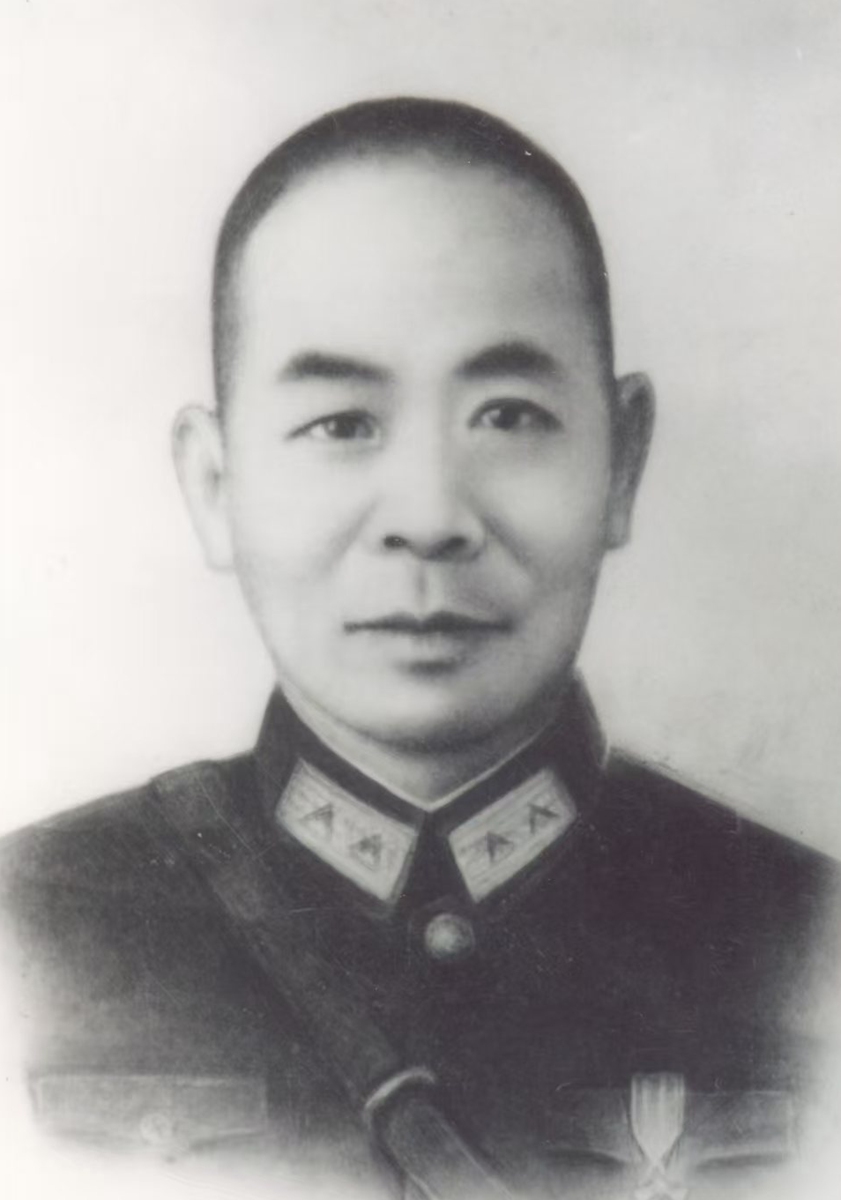
Wu Shi
A letter written by Li Bai to his father
Li Bai: Finally witnessing this day with my own eyes
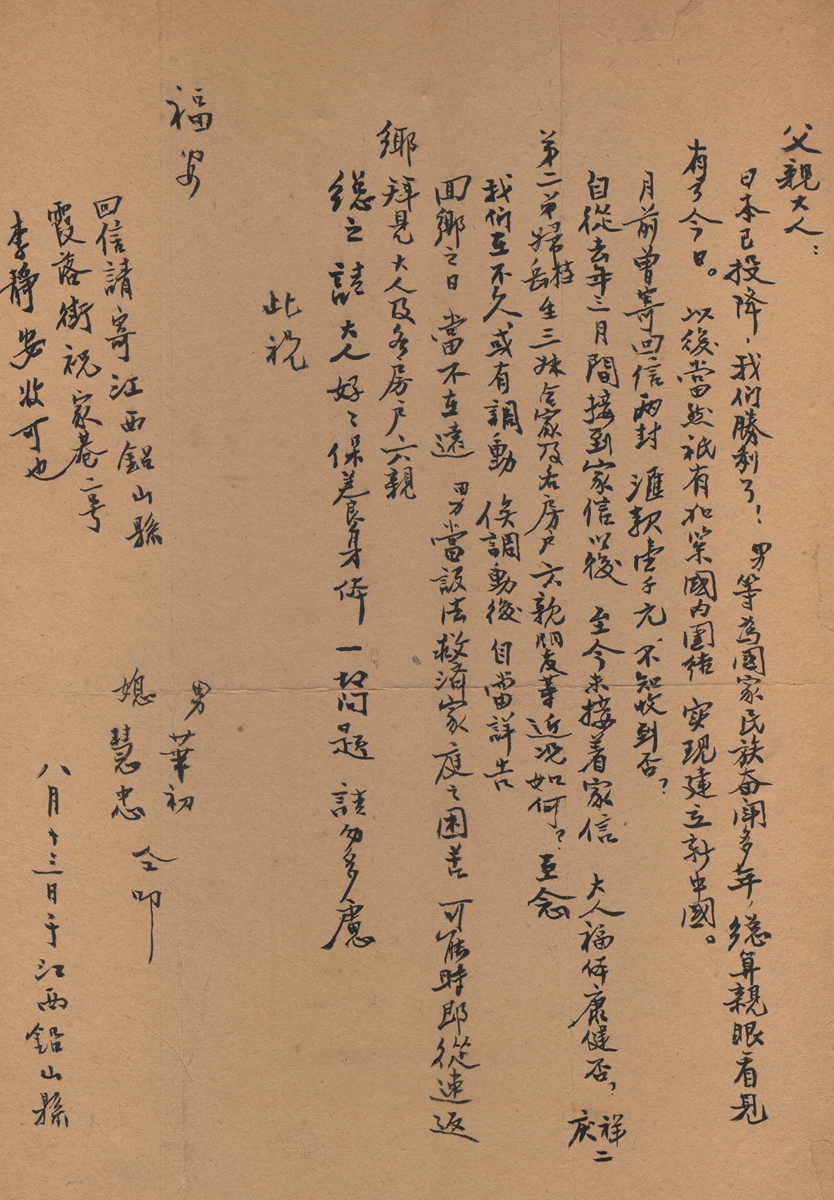
Li was born in Liuyang county, Central China's Hunan Province in 1910. He joined the Red Army in 1930. In the autumn of 1937, to strengthen intelligence work in enemy-occupied areas, the Central Committee of the Communist Party of China (CPC) decided to send Li to Shanghai to establish a secret radio station.
Li quickly set up the radio station and successfully achieved wireless communication with the CPC Central Committee. To evade technical detection and inspections by Japanese and puppet secret agents, Li's secret radio station was relocated many times.
After the victory of the War of Resistance, Li returned to Shanghai to continue his work. In 1948, the importance and danger of the radio station's work were intertwined. In the early morning of December 29, Li was sending an important telegram to the CPC Central Committee when Kuomintang secret agents suddenly surrounded the radio station's location. Li calmly finished sending the last telegram, hid the equipment, and then the secret agents rushed in.
Faced with continuous torture, Li remained unyielding and protected the Party's radio secrets. In the early morning of May 7, 1949, Li was secretly executed at the age of 39.
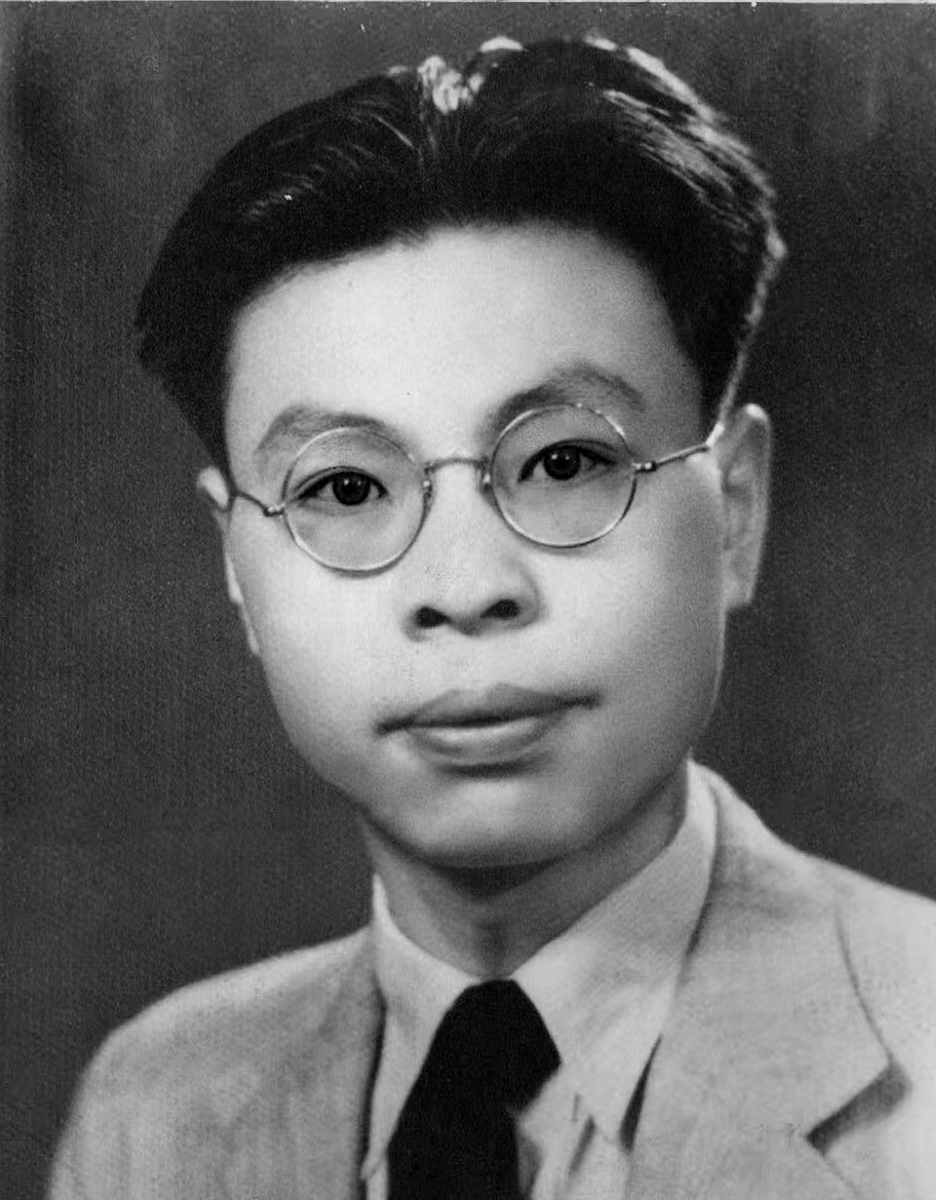
Li Bai
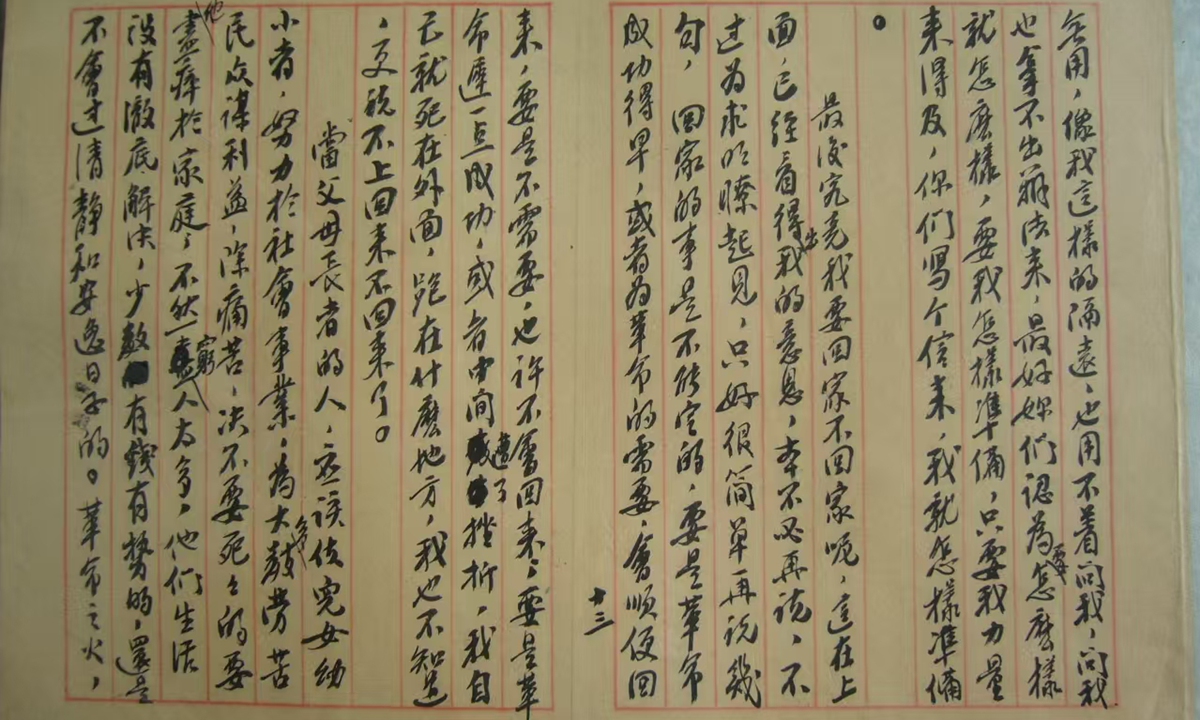
Part of a letter from Leng Zhaolong to his mother
Leng Shaonong: Transfer my filial piety to the suffering majority
In 1925, as China's great revolution surged, Leng resolutely set off for Guangzhou, South China's Guangdong Province, to join the revolutionary cause. There, he worked in the political department of the Huangpu (Whampoa) Military Academy and secretly joined the CPC.
During the counter-revolutionary coup of April 12, 1927, Leng's identity remained undisclosed, allowing him to stay embedded within the Kuomintang army. Later, he successfully infiltrated the military affairs department of the Kuomintang government in Nanjing, East China's Jiangsu Province.
Because of his long-term involvement in clandestine intelligence work, Leng could not return home to visit his family. This prolonged absence led his relatives to misunderstand him.
His mother wrote a letter accusing him of being "unfaithful, unfilial, and ungrateful." In 1930, Leng wrote back to his mother.
"This undertaking is of the utmost importance and complexity," Leng wrote. "To accomplish it, I must devote all my strength and even my life to it. Since I have entrusted both my strength and my life to this cause, how could I bear to abandon such a great task - to watch others suffer - while I myself enjoy peace and comfort at home?"
In 1932, the underground CPC organization in Nanjing was destroyed, and Leng was arrested. Even in prison, Leng remained calm and unshaken in his faith. Neither promises of wealth and rank nor brutal torture could sway him. In June 1932, he was executed heroically in Nanjing.
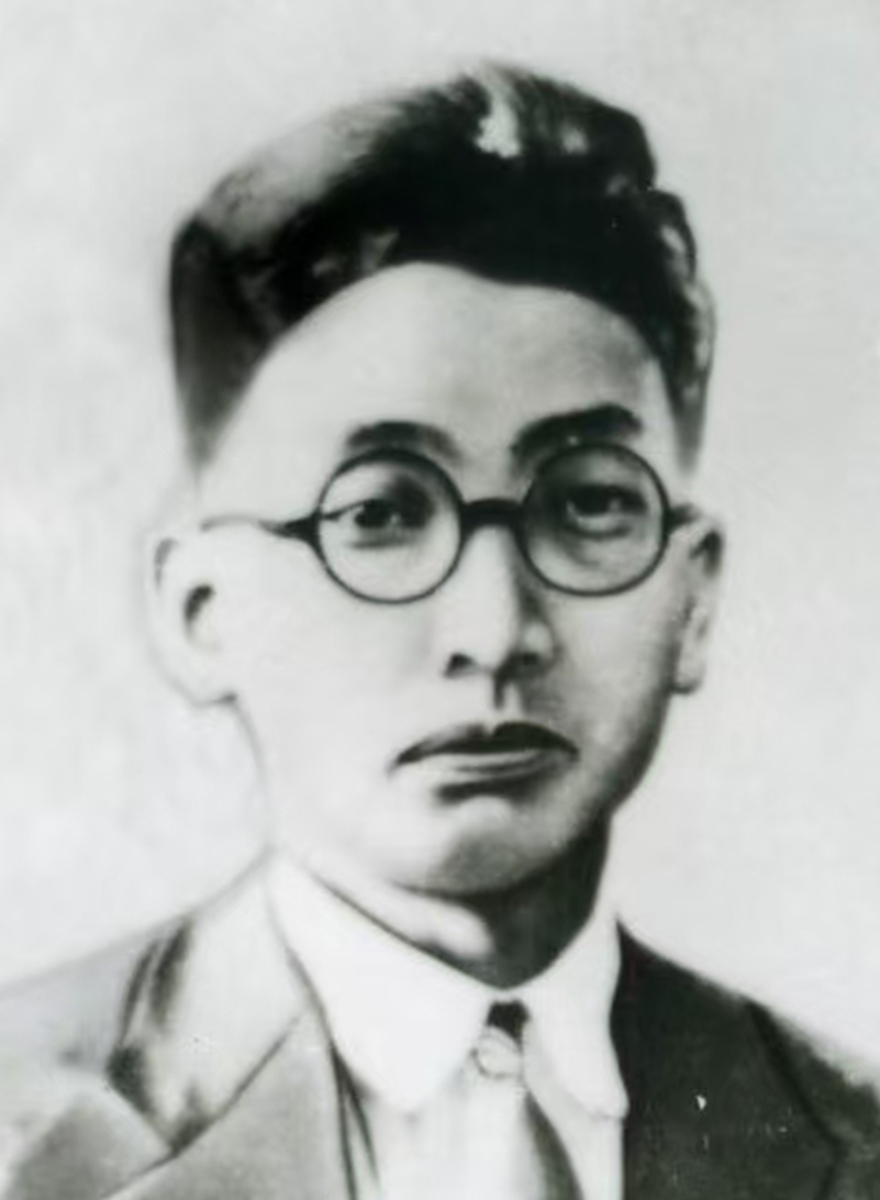
Leng Shaonong
A letter written by Xiao Minghua to her elder brother and sister-in-law
Xiao Minghua: Let my remains rest in Taiwan island
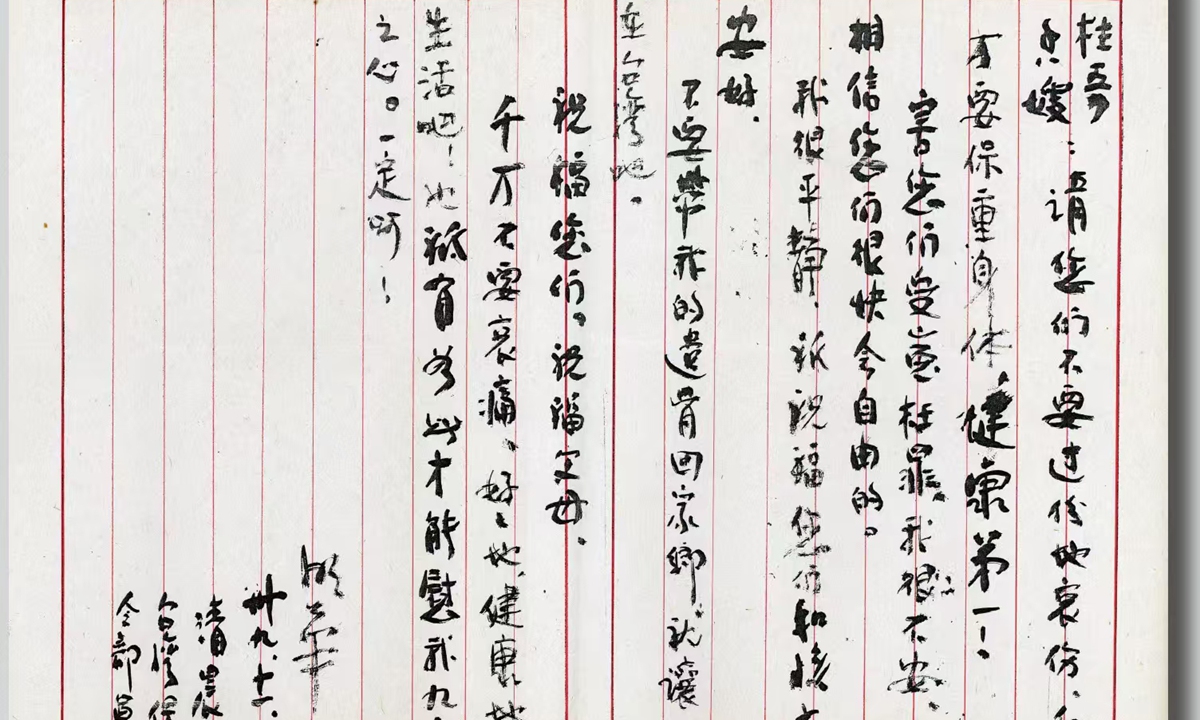
"Please don't grieve too deeply. Take care of your health — that matters most."
Born in 1922 in Jiaxing, East China's Zhejiang Province, Xiao went to Beiping, the former name of Beijing, to attend university after the victory of the War of Resistance, where she met Professor Zhu Fangchun.
Zhu, a long-time underground member of the CPC, was then engaged in clandestine military intelligence work. Under his guidance, Xiao joined the CPC and took part in underground work in Beiping.
In 1948, with the CPC's approval, Xiao accepted an invitation to teach in Taiwan. Shortly afterward, Zhu also arrived there for work. Under the guise of a married couple, they established an intelligence working group in Taiwan island.
As the Chinese Kuomintang retreated to Taiwan and intensified the hunt for underground CPC's networks, Xiao and Zhu came under close surveillance. Xiao, after managing to alert her comrades, got arrested.
In prison, Xiao endured unimaginable torture for 278 days but never revealed a single secret, protecting her comrades to the very end.
In 1982, Xiao's remains were brought back from Taiwan and cremated at the Babaoshan Revolutionary Cemetery in Beijing. On the back of her tombstone, the epitaph of three large Chinese characters meaning "Return, O soul!" were inscribed by her comrade-in-arms, Zhu Fangchun with his own hand.
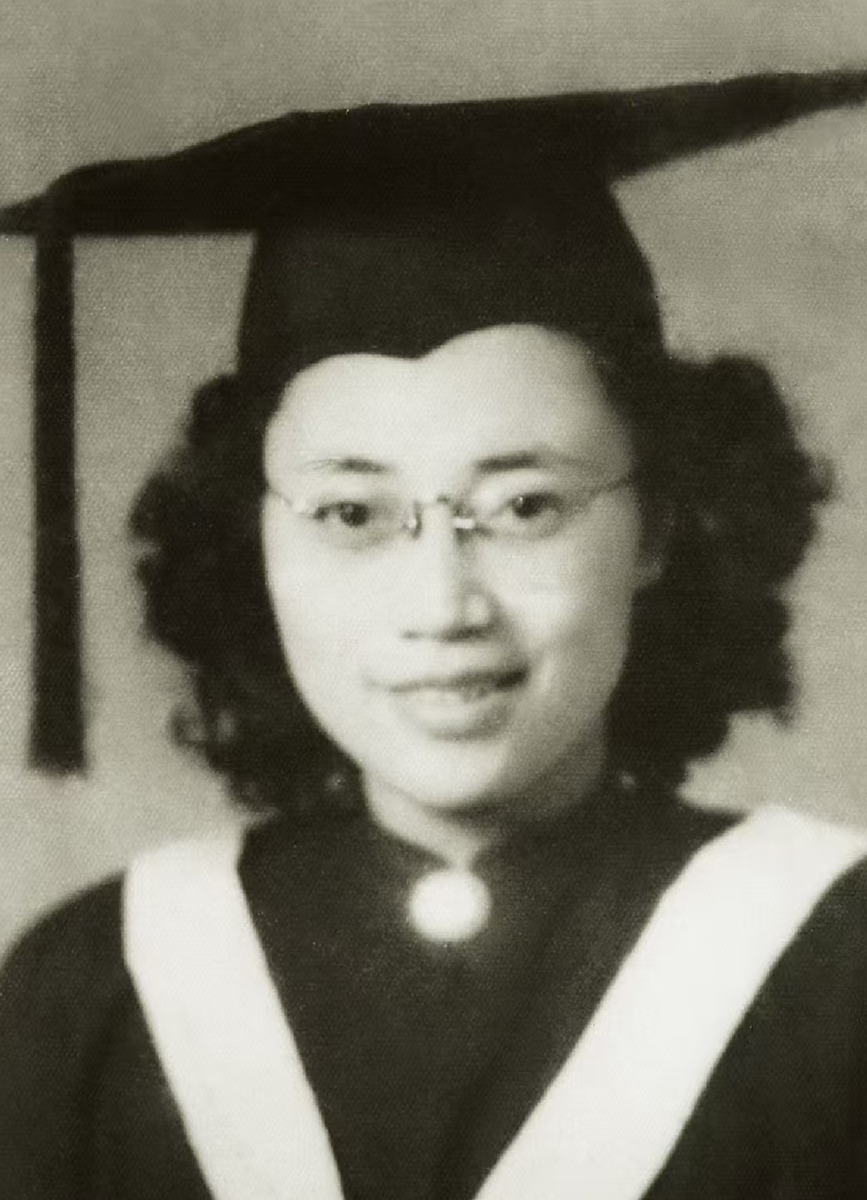
Xiao Minghua
Notes by Zhang Luping
Zhang Luping: Victory is within our sight
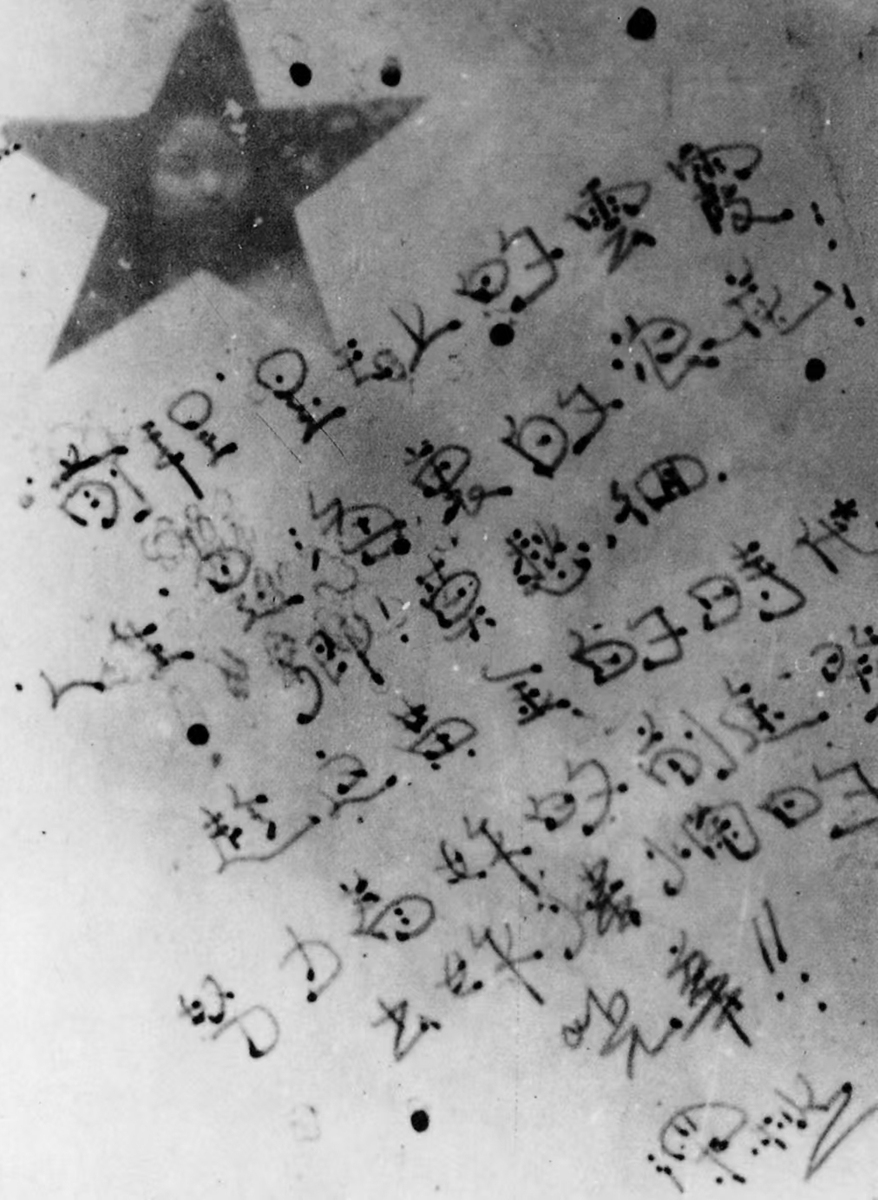
This is an excerpt from the poem "Pomegranate Flowers in July," written by Zhang Luping in Xifeng concentration camp, Guizhou Province, Southwest China, in 1944. Zhang originally named Yu Jiaying, who was born in Sichuan in 1921. After the July 7th Incident at Lugou Bridge broke out in 1937, she joined the Chinese National Liberation Vanguard and actively engaged in anti-Japanese national salvation activities. She became a CPC member in October 1938. In late 1939, she left her newlywed husband for Chongqing, adopting the alias "Zhang Luping" to pose as the sister of underground communist Zhang Weilin, thus infiltrating the Kuomintang's secret service.
Her team was exposed and arrested in the spring of 1940. Tortured severely, Zhang and her comrades never revealed organizational secrets and were sentenced to death.
In Xifeng concentration camp, she wrote poems for prison publications. Using the pen name "Xiaolu" (Dawn Dew), she published "Pomegranate Flowers in July" in 1944.
In July 1945, Zhang and six other comrades were shot dead in Xifeng. On the way to the execution ground, she led her comrades in singing The Internationale, showing the fearless spirit of Communists facing death calmly. She was only 24 when she sacrificed.
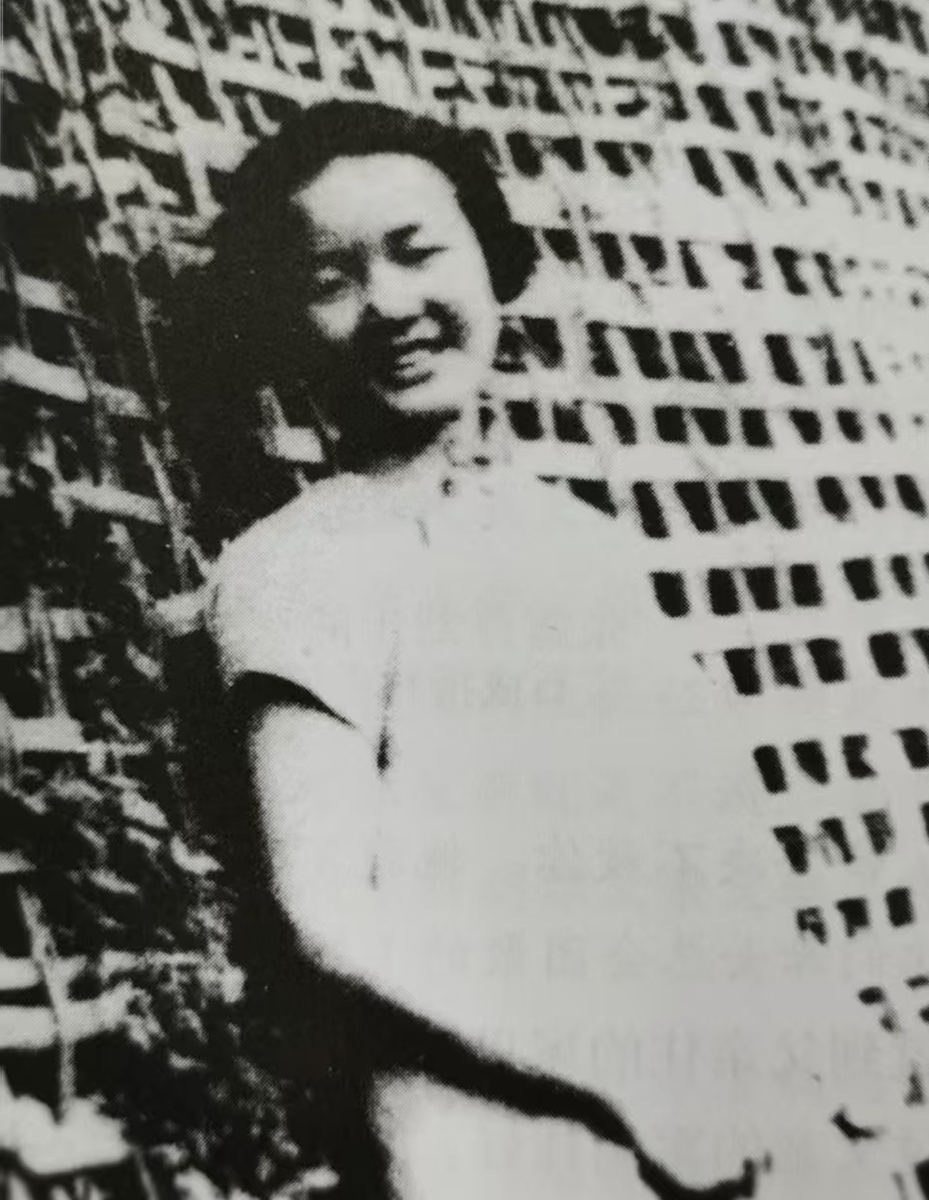
Zhang Luping
Liu Guangdian: The goods are ready
"The goods are ready and will be shipped to Hong Kong soon." "Younger brother Jun passed away from acute encephalitis." These seemingly ordinary family letters actually contained secret messages that Liu Guangdian sent to the CPC's intelligence organizations in those special years.
Born in Fushun, Northeast China's Liaoning Province in 1922, Liu met his fellow townsman Hong Guoshi, in Shanghai in 1946. Hong was actually a secret intelligence agent of the CPC. Subsequently, Liu joined the CPC and carried out the Party's underground work, under the cover of running a pharmaceutical company and engaging in medical and pharmaceutical business.
In October 1949, dispatched by the CPC, Liu entered the island of Taiwan and began shuttling between Hong Kong and Taiwan to transmit intelligence.
Once, after retrieving intelligence in Taiwan, Liu sent a secret message in the form of a family letter to the CPC using coded language: "The goods are ready and will be shipped to Hong Kong soon." This reported that the work on the island was progressing smoothly, and that he would soon return to Hong Kong to deliver the intelligence.
On February 13, 1954, Liu was arrested by the Kuomingtang in Taiwan. After his arrest, he endured five years of detention and interrogation but never yielded or wavered in the slightest. On February 4, 1959, Liu heroically sacrificed his life at an execution ground in Taipei at the age of 37.
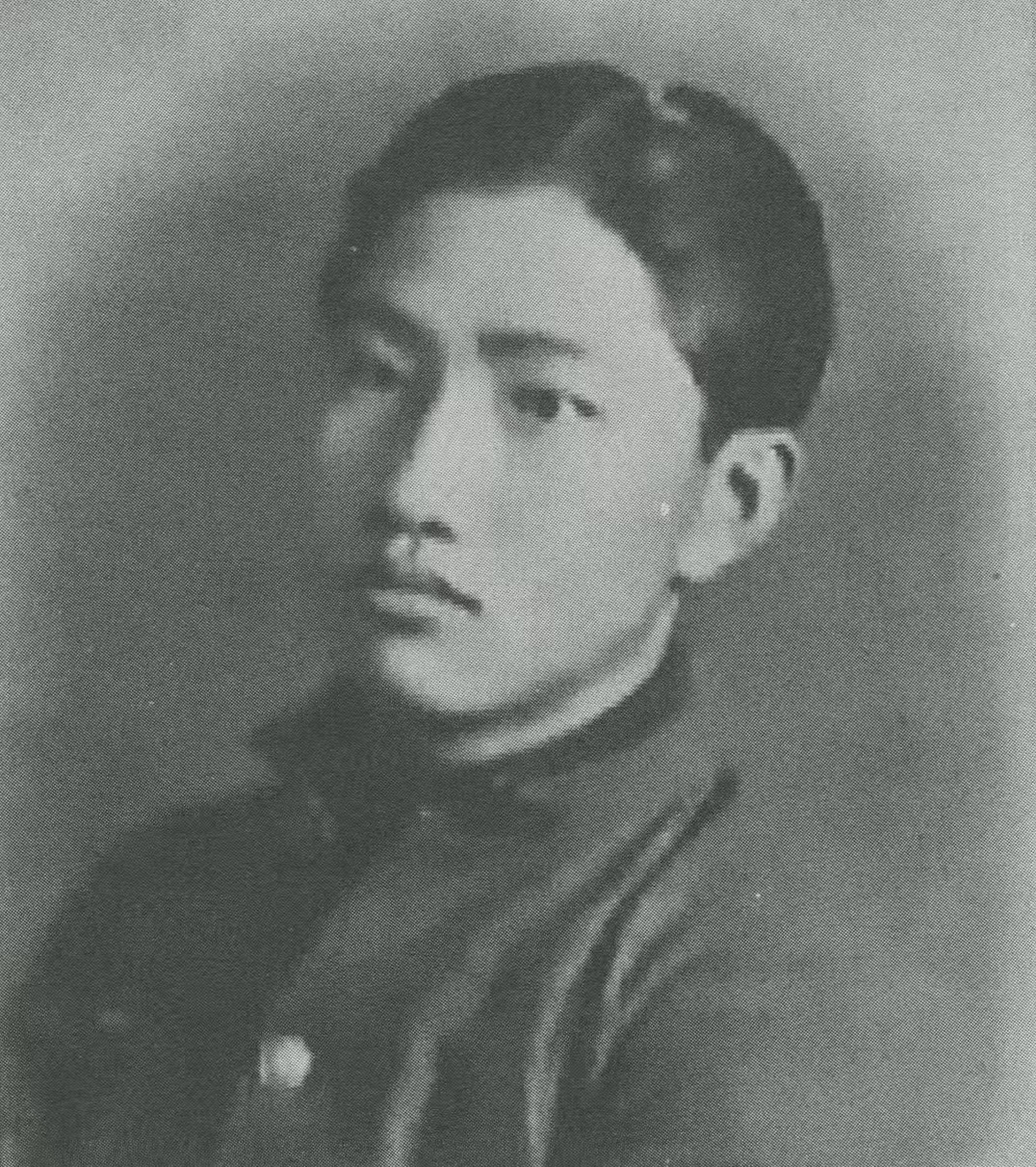
Liu Guangdian
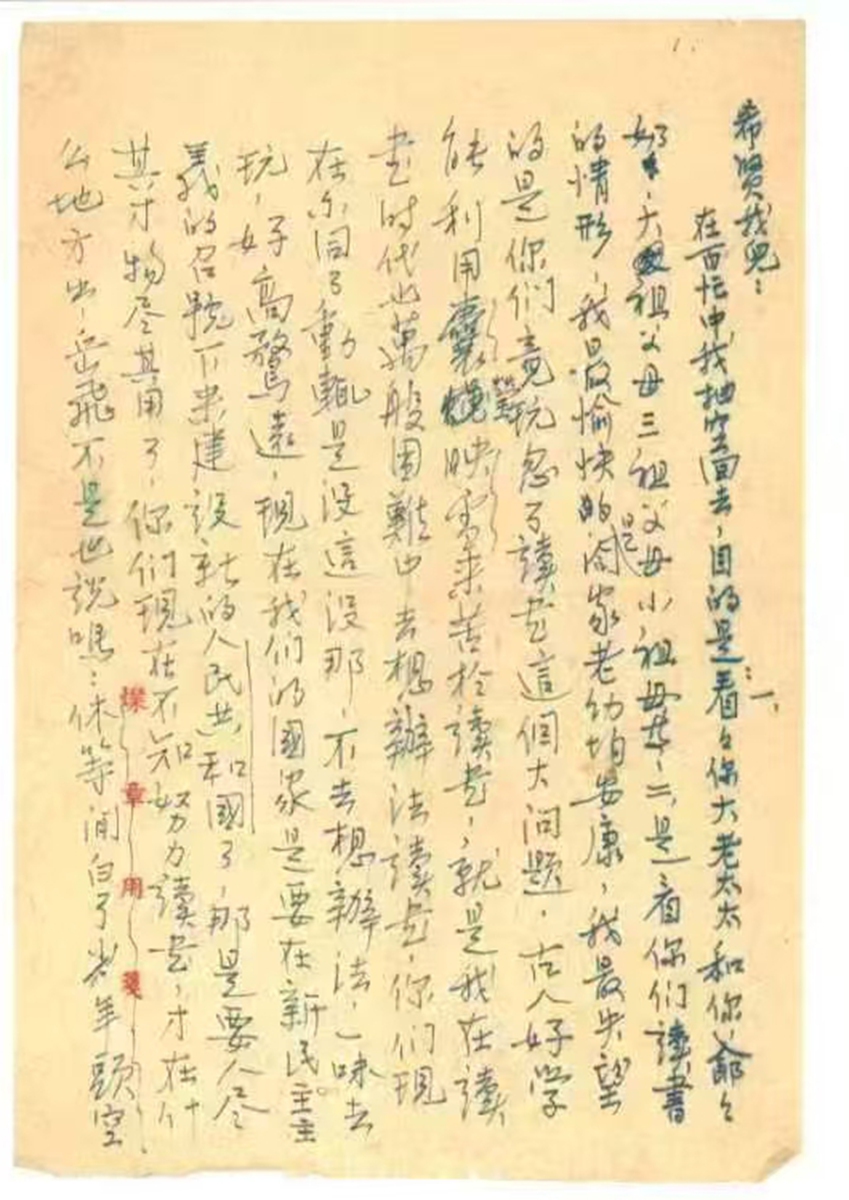
Part of Hou Wenli's letter to his son
Hou Wenli: Though I held office, I stayed honest and clean
After joining the KMT's logistics forces during the War of Resistance, Hou went on to support the Chinese Expeditionary Force in Myanmar and later continued covert work in Xi'an after the war.
In 1947, Hou were exposed and became wanted fugitives. Hou managed to escape and continued underground Party activities after relocation.
In early 1949, Hou successfully persuaded a KMT division commander to defect, paving the way for the PLA's peaceful takeover of Jinhua, East China's Zhejiang Province.
In the summer of 1949, the Party assigned Hou to undertake a secret mission in the island of Taiwan. Before leaving, Hou told his 29-year-old wife Zhang Lifan and three children, "The country comes before the family. I will return in less than three years, and we will be reunited."
In October 1949, Hou's eldest son Xixian received the last and only letter from his father, sent from Hong Kong, in which Hou earnestly urged him to study hard and care for the family.
"My son Xixian, our country is now building a new People's Republic of China under the banner of New Democracy, which calls for every individual to give full play to their talents and for all resources to be used to their utmost," Hou told his son.
After infiltrating the KMT's intelligence agency in the island of Taiwan, Hou Wenli was betrayed and secretly arrested in 1953, enduring five years of brutal torture. In 1958, he was executed after his role in the Jinhua uprising was uncovered and reported to Chiang Kai-shek.
For promise, his wife Zhang waited in anguish for 56 years. Until her last breath, she never learned of her husband's fate.
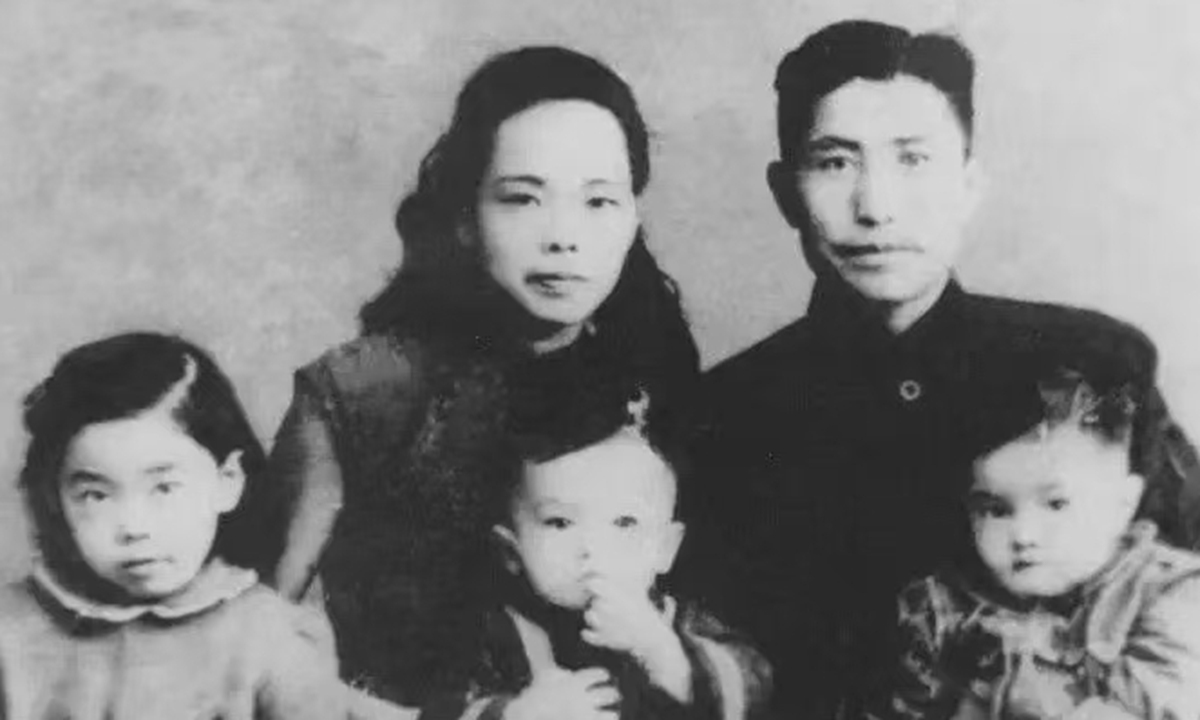
A family photo of Hou Wenli