Peak of China's influenza outbreak to occur in mid-to-late Dec and early Jan: China CDC
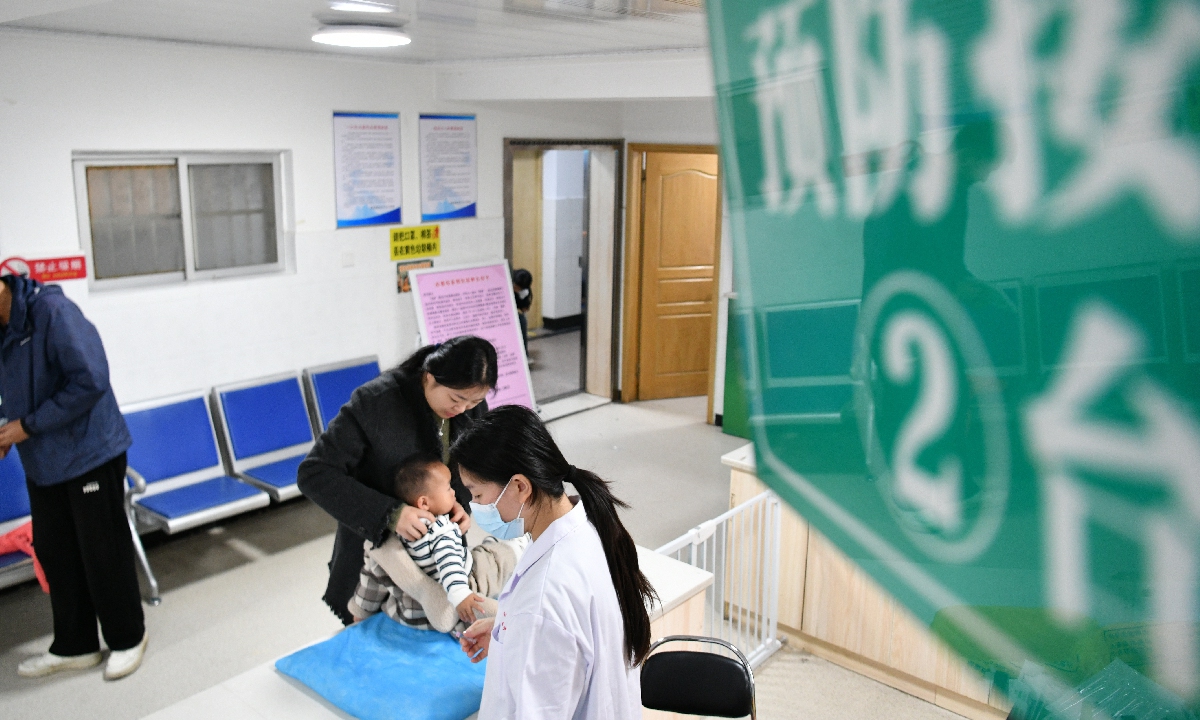
Medical staff at the Funan County Center for Disease Control and Prevention in Fuyang City, Anhui Province, provide autumn and winter flu vaccinations to young children on October 25, 2025. Photo: VCG
China's National Disease Control and Prevention Administration warned on Monday of a general uptick in acute respiratory infections including influenza, respiratory syncytial virus (RSV), and rhinovirus.
It attributed the trend to falling temperatures and reduced activity of disease vectors, combined with the patterns of infectious disease prevalence and multi-channel surveillance data.
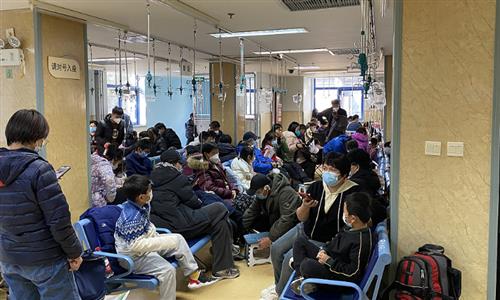
China is entering a high-incidence season for respiratory illness. Intestinal infectious diseases such as norovirus and hand, foot, and mouth disease are also in a peak season, the administration said, notably with key locations like schools and childcare facilities facing the risk of cluster risks.
There is additional risk of imported cases of vector-borne diseases such as chikungunya and dengue fever, while some southern provinces still face the possibility of local transmission, the administration said.
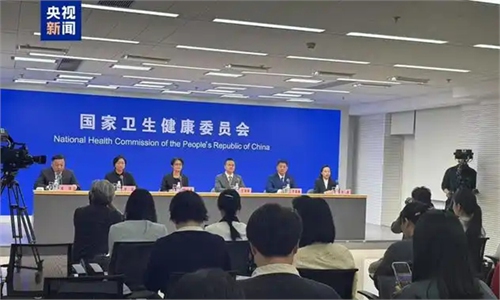
Wang Dayan, a researcher at the Institute for Viral Disease Control of the Chinese Center for Disease Control and Prevention (China CDC), told a press conference on Monday that the peak of China's influenza outbreak this autumn and winter is expected to occur in mid-to-late December and early January.
Surveillance data indicates that in previous years, the influenza season generally began in October or November, with some years seeing an onset as early as September. The peak typically occurred in mid-to-late December and early January, according to China CDC.
Currently, overall influenza activity in China is in an upward trend, with influenza A (H3N2) accounting for over 95 percent of cases, while small amounts of influenza A (H1N1) and influenza B viruses are also circulating during the same period.
According to the Chinese CDC's November 6 "National Acute Respiratory Infectious Disease Sentinel Surveillance Report," influenza is now the leading pathogen detected in respiratory samples from influenza-like illness cases at sentinel hospitals' outpatient and emergency departments nationwide, accounting for 17.5 percent.
Meanwhile, rhinovirus remains relatively high at 12.4 percent, while respiratory syncytial virus (RSV) detections are trending up in northern provinces, the report said.
Rhinovirus, also known as Human Rhinovirus (HRV), is a small single-stranded RNA virus. It is one of the primary culprits behind the common cold and is highly prevalent in both adults and children. HRV is the most common pathogen causing acute upper respiratory infections in children, accounting for an estimated 30 to 50 percent of cases.
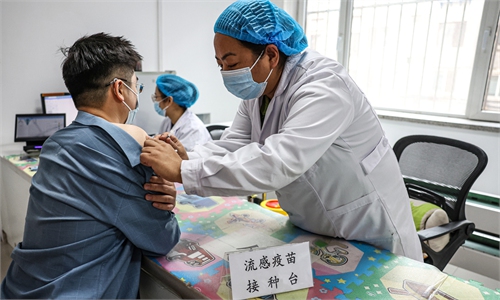
The administration urged timely influenza vaccination, especially households with the elderly, young children, and individuals with chronic conditions.
Global Times
RELATED ARTICLES