Illustration: Chen Xia/GT
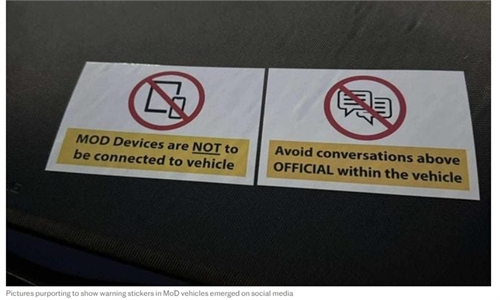
Do cars have ears? They do - in the eyes of the UK's Ministry of Defence (MoD), as reported by the British media. In the past two days, the British media outlets, including The Telegraph, Daily Mail and the Sun, have reported the concerns from the British MoD over Chinese-built electric cars it has leased, and that pictures emerged on social media purporting to show warning stickers placed in the vehicles telling staff not to discuss classified information while driving.
Stuck to the dashboard, one sticker read: "MOD devices are NOT to be connected to vehicle." The move, according to the reports, comes over concerns that Chinese-made cars could contain microphones capable of transmitting conversations, therefore posing risks of spying.
These media reports, however, acknowledged that the MoD needs electric vehicles as it seeks to reduce carbon footprint and hit net zero targets. It has leased thousands of electric vehicles, many of which come from China given China's dominance in electric vehicles, and it plans to lease more.
A source was quoted as saying there was no evidence to show any sensitive data had been passed to third parties. From a technological point of view, if Chinese-built cars can record and transmit conversations, Western brands can too. So why did the UK's MoD and the British media take an aim at Chinese cars?
The move already mounts to presumption of guilt. Some of the UK's military sites have already restricted access to electric vehicles with Chinese components. In April, it was reported that British defense firms working for the UK government had warned staff against connecting or pairing their phones with Chinese-made electric cars.
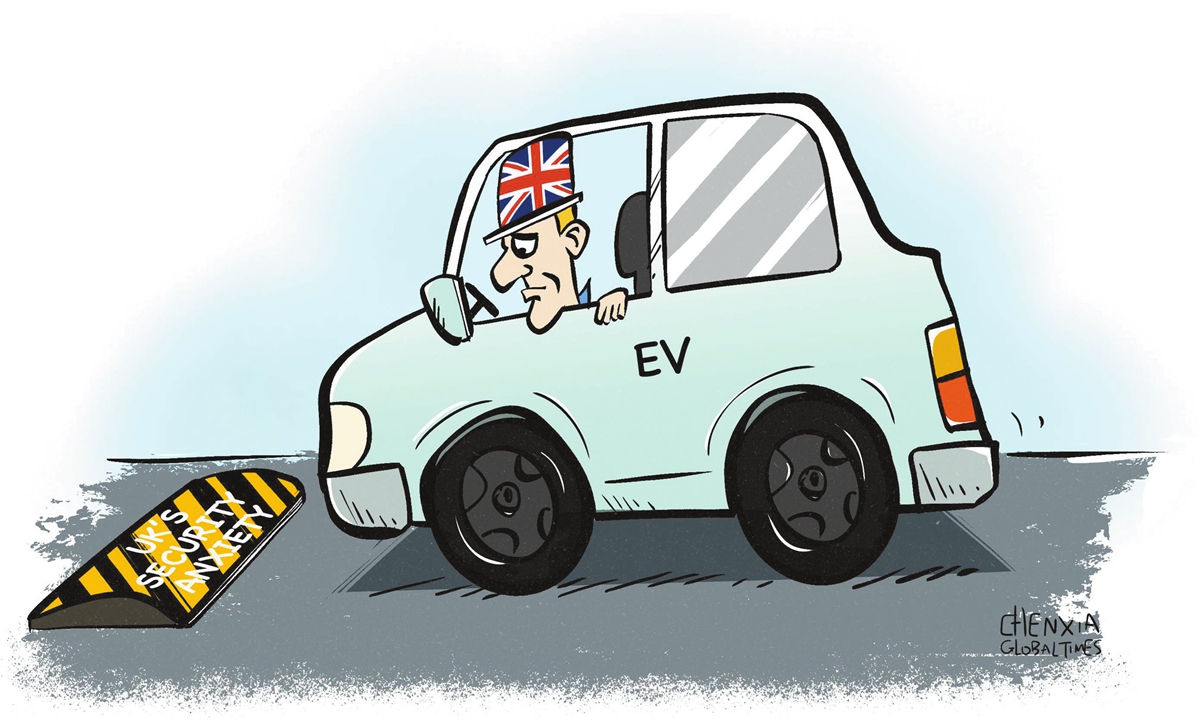
The repeated hype regarding Chinese-built electric cars reflects the long-standing distortion of public opinion in the UK. The UK's anxiety does not stem from the so-called security, but the discomfort and alert toward China's technological leadership.
Li Guanjie, a researcher at the UK Studies Center of the Shanghai Institute of Global Governance and Regional Country Studies at Shanghai International Studies University, told the Global Times on Tuesday that the UK is worried about China's rise, especially China's dominance in electric cars.
Just last week, the UK, together with Norway and Denmark, launched a so-called "security investigation" into buses made in China, claiming that these vehicles may be "remotely deactivated." These similar tactics are driven by a complex mindset marked by ideological prejudice, commercial failure, and geopolitical anxiety.
The UK, and indeed the West as a whole, is currently facing a difficult reality: In the electric vehicle race, a symbol of the future of industries, Chinese brands have achieved a leapfrog development thanks to their technology, lower costs, and a more complete industrial chain. Unable to win in fair market competition, the West has resorted to erecting trade barriers and using "national security" as a weapon.
But at what stake? The UK was the first major economy to create a legally binding target to bring greenhouse gas emissions to net zero by 2050. Electric vehicles are pivotal in reshaping transportation and fostering environmental sustainability, and Chinese electric vehicles are an asset for the UK, not a threat. A wise option for the UK is to stop indulging in pride and prejudice, but engage in mutually beneficial cooperation with China.
RELATED ARTICLES