China slams Japan’s plan on missile deployment near Taiwan region
A deliberate move that breeds regional tensions, stokes military confrontation: FM
By Published: Nov 24, 2025 12:15 PM

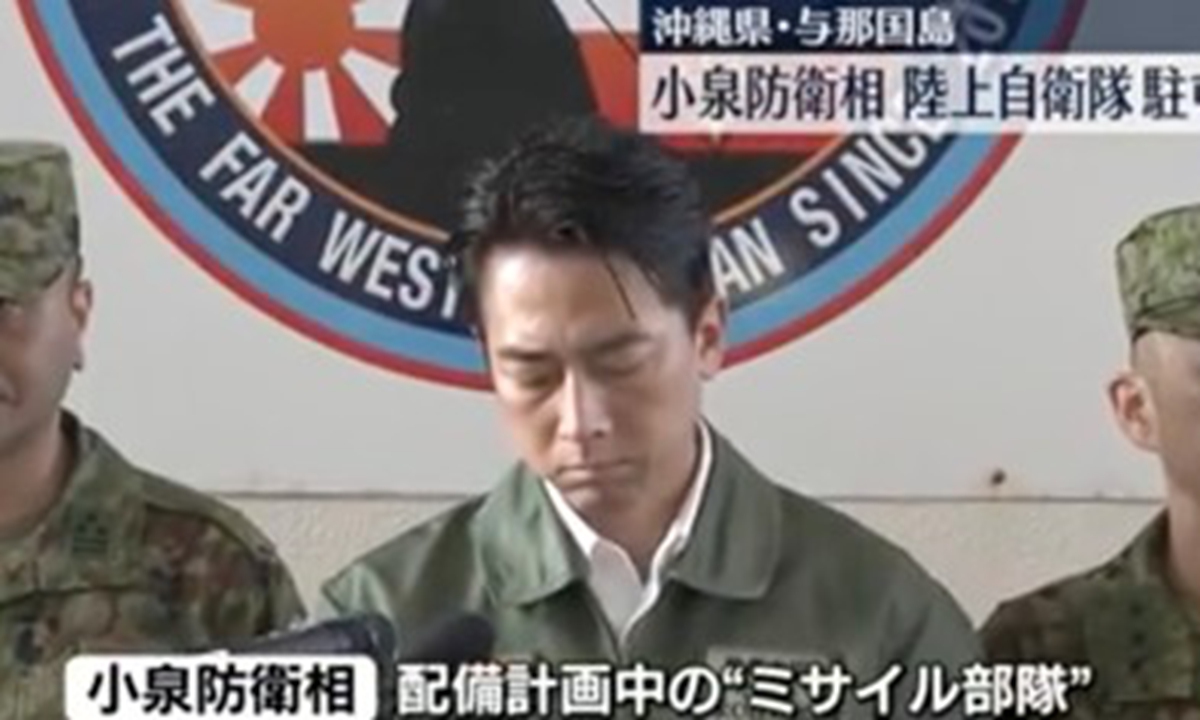
A screenshot from Japanese media Nippon News Network on Japanese defense minister Shinjiro Koizumi speaking to reporters as he wraps up his trip to Yonaguni island
China on Monday slammed Japan's plan about the deployment of offensive weapons in Southwest Islands close to China's Taiwan region, calling it a deliberate move that breeds regional tensions and stokes military confrontation.
Japanese defense minister Shinjiro Koizumi claimed plans to deploy missiles on Yonaguni island would "lower the chance of an armed attack," rejecting concerns that it would heighten regional tensions. He made the remarks on Sunday when speaking to reporters as he wrapped up his trip to the base on Yonaguni. Yonaguni hosts the Japan Self-Defense Forces' base closest to Taiwan island, according to Nippon News Network.
A Kyodo News report noted that when asked about Yonaguni's strategic role in the "event of a contingency," the Japanese defense minister said he would "refrain from answering questions based on hypothetical scenarios."
Yonaguni island lies about 110 kilometers from Taiwan island. Japan plans to deploy a unit equipped with the Type-03 medium-range surface-to-air missile, which is capable of intercepting aircraft and ballistic missiles, according to Kyodo News.
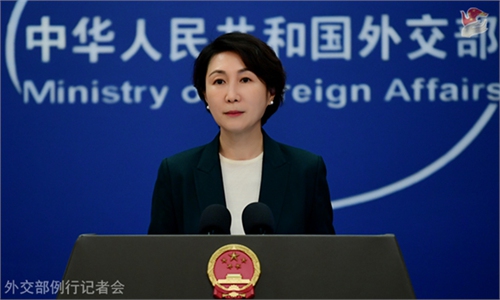
Given Japanese Prime Minister Sanae Takaichi's erroneous remarks on Taiwan, this move is extremely dangerous and should put Japan's neighboring countries and the international community on high alert, Chinese Foreign Ministry spokesperson Mao Ning said on Monday.
Mao made the remarks at a regular press conference on Monday when asked to respond to comments by the Japanese defense minister over the weekend who said about the deployment of the missile unit to the Yonaguni Island. He claimed that medium-range surface-to-air missile units were planned to deploy in Yonaguni to protect the island's safety.
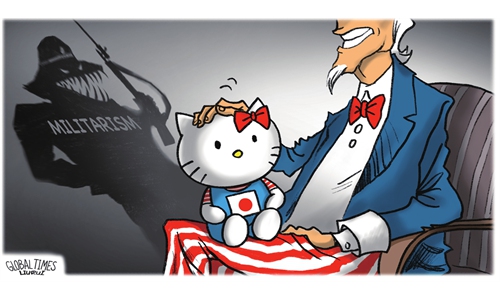
It is alarming, however, that in recent years, Japan has drastically readjusted its security and defense policy, increased defense budget year after year, relaxed restrictions on arms export, sought to develop offensive weapons, and planned to abandon its three non-nuclear principles. Japan's right-wing provocateurs are trying every means to break free from the pacifist constitution, going further down the path of military buildup and leading Japan and the region to disastrous outcomes, Mao said.
China will never allow Japan's right-wing provocateurs to turn back the wheel of history, never allow external forces to lay their hands on China's Taiwan region, and never allow the resurgence of Japan's militarism. China is resolved in and capable of defending national and territorial sovereignty, the Chinese spokesperson noted.
Some Chinese experts noted that Tokyo's plan to press ahead with the planned deployment on the island close to Taiwan - despite the diplomatic fallout - signals that Japan is doubling down on a confrontational posture and is not taking the damage to bilateral ties seriously.
Song Zhongping, a military affairs expert, told the Global Times that Yonaguni island, part of the Ryukyu island chain and close to Taiwan, is not part of Japan's main islands. Japan's plan to deploy missiles and intelligence systems harbors ill-intended agenda and provokes regional tensions.
"Koizumi's remarks reveal that he has not understood how vital the Taiwan question is to China, nor is he aware of the serious consequences such misjudgments could trigger," Song said, noting that Koizumi's latest remarks not only fail to ease tensions after Takaichi's comments but further inflame an already volatile situation.
If Japan continues to create new frictions and push bilateral ties further into crisis, recovery of bilateral ties will become harder and the risk of conflict will grow, said Song.
Lü Chao, an expert from the Liaoning Academy of Social Sciences, said that Japan is steadily drifting away from its long-held exclusive defense-oriented principle. Koizumi's remarks serve only to justify Japan's accelerating military buildup, he added, noting that it is clear that Japan is moving further down a dangerous path.
In recent years, Japanese military deployments have increasingly aligned with Washington's so-called "Indo-Pacific strategy", said the expert, noting that deploying offensive missiles so close to Taiwan island reveals Japan's clear political and military intent. It also exposes Japan's strategic ambitions, heightens tensions in the Taiwan Straits and the region, he said.
Under news reports of Koizumi's remarks by Japanese media outlets including Jiji Press and Kyodo News, some Japanese netizens have argued that forcibly deploying missile units will only heighten regional tensions and increase the risk of Yonaguni residents being dragged into conflict. One commenter wrote, "If you play with fire, getting burned is only natural."
Inflame tense situation
Koizumi's visit to Yonaguni base has taken place in a highly sensitive time.
Tensions between China and Japan have escalated after Japanese Prime Minister Sanae Takaichi claimed at a Diet session on November 7 that a potential "use of force on Taiwan" by the Chinese mainland could constitute a "survival-threatening situation" for Japan. The Chinese Foreign Ministry has repeatedly issued stern warnings over the past week, urging Tokyo to retract the statement.
At the Monday press conference, Mao was also asked about Prime Minister Takaichi's claim that after G20 Summit that she didn't have the chance to talk to Premier Li Qiang, while also claiming that Japan remains open to various dialogue with China. Mao urged that Japan should take China's concerns seriously, retract the erroneous remarks on Taiwan, and show Japan's sincerity for dialogue with concrete actions.
The spokesperson also revealed that China, Japan and South Korea have not agreed on a date for the tenth trilateral summit meeting. The Japanese leader's erroneous remarks on Taiwan have damaged the foundation and atmosphere for China-Japan-South Korea cooperation. Conditions are not right at the moment for a trilateral summit meeting.
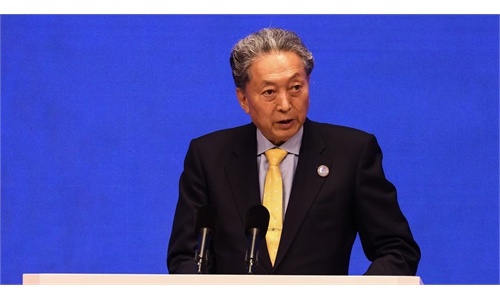
Former Prime Minister Yukio Hatoyama wrote on X on Monday that it is only natural for China to criticize Prime Minister Takaichi's mistaken suggestion that Japan could justify exercising collective self-defense by claiming that involvement in what is China's internal matter - Taiwan - might pose an existential crisis for Japan.
Shigeru Ishiba, Takaichi's predecessor in the office, also said on Sunday that diplomacy "is not about loudly saying whatever one wants." Speaking on an ABEMA News online program, Ishiba noted that Japan-China relations are extremely delicate. "The fundamental issue is the stance the Japanese government has maintained until now. I hope the current administration will move forward with a clear and comprehensive understanding of that," he said.
Yoshihiko Noda, another former Japanese prime minister, said on Sunday that that in light of the deterioration in Japan-China relations following Takaichi's Diet statement on a potential Taiwan contingency, the prime minister should work to improve the relationship, Kyodo News reported.
"By all appearances, this stems from the Prime Minister's reckless actions. It is crucial to continuously explain her true intentions and Japan's official stance," the former prime minister said, according to the Japanese media report.
Chinese Foreign Minister Wang Yi on Sunday had urged Japan to reflect on and correct its mistakes as soon as possible, rather than stubbornly clinging to the wrong path. If Japan persists in its own way and keeps making the same mistakes, all countries and people who advocate justice have the right to re-examine Japan's historical crimes and have the responsibility to resolutely prevent the resurgence of Japanese militarism, said Wang, who is also a member of the Political Bureau of the Communist Party of China Central Committee, according to the Xinhua News Agency.
Lü said Takaichi and the far-right forces she represents have ignored regional countries' shared desire for peace and development, instead, they're pushing a so-called "Indo-Pacific" narrative rooted in geopolitical confrontation. This risks steering Japan in a dangerous direction and undermining regional stability, Lü said, adding that the region should remain highly vigilant against any resurgence of Japanese militarism.
Japan bears full responsibility for the current strain in bilateral ties, and Takaichi should reflect, retract her erroneous statements, and demonstrate Japan's commitment through concrete actions, the expert said.
RELATED ARTICLES