'A trampling on Constitution': JCP lawmaker urges Takaichi to retract Taiwan-related remarks
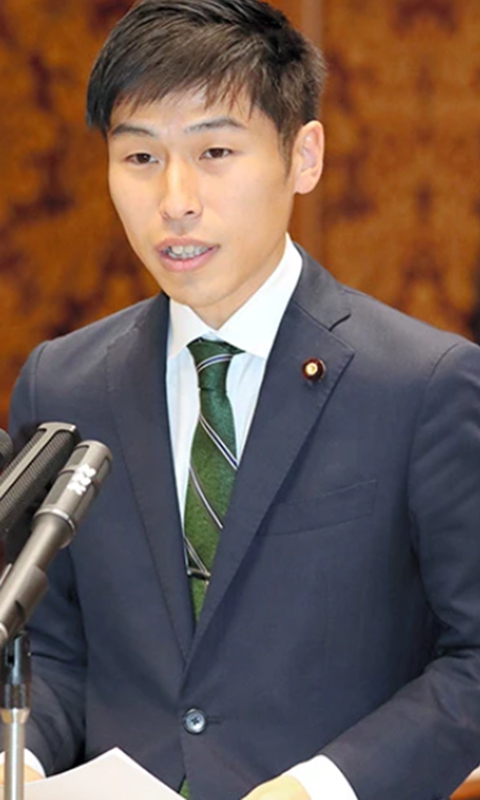
Japanese Communist Party (JCP) lawmaker and House of Councillors member Taku Yamazoe. Photo from web
In an exclusive written response to the Global Times, Japanese Communist Party (JCP) lawmaker and House of Councillors member Taku Yamazoe criticized Prime Minister Sanae Takaichi's recent remarks on the Taiwan question, saying that she should retract her remarks as they signaled the possibility of Japan engaging in military action even without being attacked, which constituted a trampling on the Constitution and may cause significant damage to both Japan and China.
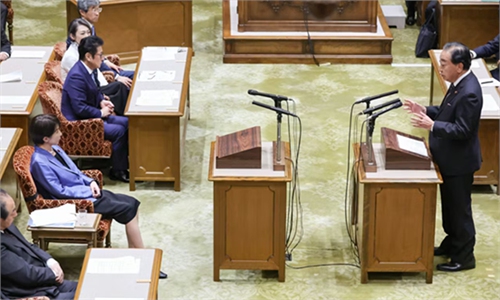
His comments add to a growing chorus of political criticism in Japan after Takaichi claimed during a Diet session on November 7 that the Chinese mainland's "use of force on Taiwan" could constitute a "survival-threatening situation" for Japan.
Yamazoe said Takaichi's remarks—which linked a so-called "Taiwan contingency" to "survival-threatening situation" defined in Japan's security legislation, implies Japan could engage in military intervention alongside US forces under the right of collective self-defense even if Japan itself were not attacked.
"This amount to declaring a concrete possibility of using force, which is a trampling on Article 9 of the Constitution and could inflict enormous damage on both Japan and China. Such remarks are intolerable," Yamazoe said.
He further stressed that Takaichi's remarks contradict Japan's commitments in the 1972 Joint Communiqué between China and Japan, which affirmed that Tokyo "fully understands and respects" the position that Taiwan is an inalienable part of China. Her suggestion of military intervention also contradicts the China-Japan Joint Statement on All-round Promotion of Strategic Relationship of Mutual Benefit made in 2008, in which both sides agreed that they are "cooperation partners and not threats to each other."
Given this context, Yamazoe called on Takaichi to retract her remarks.
Responding to a Global Times question on how to assess the current situation in which political remarks have begun to affect the business environment and people-to-people exchanges between the two countries, Yamazoe expressed his great concern about the impact on Japan-China economic and people-to-people exchanges. "The deterioration of bilateral relations began with Takaichi's remarks. She should retract them," he said.
Asked whether some Japanese politicians sufficiently understand how their words and deeds influence Chinese public sentiment and the broader bilateral relationship, Yamazoe stressed that 80 years after the war, the Japanese government and politicians are being questioned on how they face the history of past war of aggression and colonial rule. According to Yamazoe, the JCP believes that to build sincere peaceful, friendly and cooperative relations with the countries and people of Asia, and for establishing peace in East Asia through diplomacy, a correct understanding of historical issues cannot be avoided.
"Article 9 is the pledge made by Japan to the country and the world that Japan will never wage war again, based on the lessons of the past. The Takaichi administration is disregarding Article 9 and promoting a massive military buildup integrated with the US, a dangerous trend that heightens tensions, including with China," Yamazoe noted.
Asahi Shimbun reported that the ruling Liberal Democratic Party (LDP) and Nippon Ishin no Kai met Thursday to discuss drafting constitutional amendments related to Article 9 under their coalition agreement. Ishin presented proposals including deleting Clause 2—which prohibits maintaining armed forces—and explicitly defining a "National Defense Force," echoing LDP proposals from its years in opposition and Takaichi's previous remarks. However, public opinion remains divided, and even within the LDP also hold cautious attitude toward the proposal.
Yamazoe emphasized that regional peace and stability need dialogue and diplomacy, not military confrontation.
Diplomacy between Japan and China must be conducted on the basis of the agreements that both countries have confirmed and continue to uphold. It is essential for Japanese politicians to fully recognize these agreements and it is the prerequisite of everything, Yamazoe said.
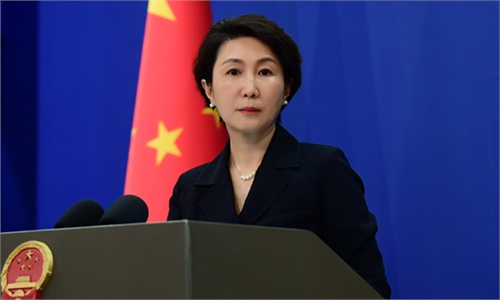
Regarding Takaichi's remarks, the Chinese government has constantly voiced oppositions and asked the Japanese Prime Minister to retract the erroneous words. On Thursday, The Chinese Foreign Ministry reiterated its firm opposition. Ministry spokesperson Guo Jiakun said Takaichi's "erroneous remarks seriously violated the spirit of the four political documents between China and Japan, eroded the political foundation of China-Japan relations, and triggered outrage among the Chinese people."
"'Stop referring to' is not the same as 'retracting' the remarks. The two are completely different in nature. The Japanese side hopes to downplay Prime Minister Takaichi's erroneous remarks and make them go away by 'not referring to' them. That is just self-deceiving and wishful thinking, and China would absolutely not accept that," Guo said.
RELATED ARTICLES