Beijing enters peak flu season, implements multiple measures to meet children’s healthcare demand: health authorities

Influenza A (H3N2). Photo: VCG
Beijing has entered the peak season of influenza, with the predominant strain identified as Influenza A (H3N2). Compared to previous epidemic seasons dominated by the same strain, this year's outbreak intensity remains lower than historical peaks. On Monday, Beijing Municipal Health Commission reported that the capital city is adopting multiple measures to ensure adequate medical services for pediatric patients, according to Beijing Daily.
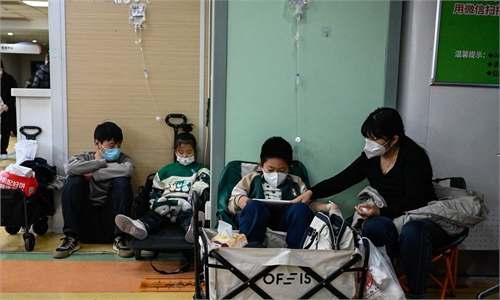
Every autumn and winter, the number of children with respiratory illnesses increases. Taking Beijing Children's Hospital as an example, while the total number of pediatric visits has risen since November, the overall volume has not exceeded that of the same period last year. A relatively rapid increase was observed in the third week, followed by a stabilization in the fourth week, which remained largely consistent with the previous week, Beijing Daily reported.
Ahead of the peak medical demand, Beijing directed healthcare institutions to develop contingency plans, urging fever clinics, pediatrics, and respiratory departments to operate at full capacity, Beijing Municipal Health Commission revealed on Monday. Measures such as dynamically increasing medical staff and consultation rooms, as well as establishing infusion and follow-up clinics, have been implemented to better distribute patient flow. A list of hospitals providing pediatric night services and community health centers offering pediatric care has since been released.
Meanwhile, Beijing Municipal Health Commission, Medical Insurance Bureau, and Drug Administration have established a joint monitoring and coordination mechanism. This system dynamically tracks pediatric visit volumes, medical insurance settlements, and drug supply, assesses respiratory disease trends, and coordinates the supply of anti-Mycoplasma, anti-influenza, and COVID-19 antiviral medications to ensure stable drug availability.
Additionally, specialized training on the diagnosis and treatment of respiratory diseases is being rolled out citywide to further enhance healthcare workers' clinical identification and treatment capabilities.
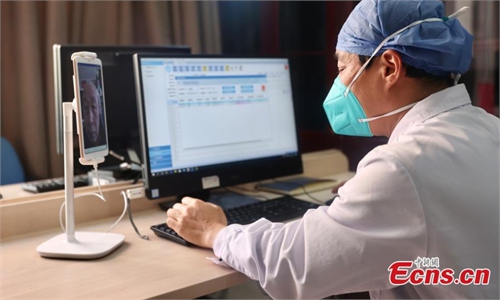
Piloting at Beijing Children's Hospital, a model program for pediatric medical services has been introduced, the commission stated. Innovations include real-time parking space updates via navigation apps, elimination of on-site registration, smart triage services, and online admission and discharge procedures—all aimed at reducing waiting times. The hospital also facilitates the shared use of its proprietary preparations among affiliated medical institutions and actively promotes online diagnosis and treatment to minimize the need for in-person visits.
Local health authorities emphasized that it will continue to closely monitor the epidemic situation and make every effort to ensure the provision of pediatric respiratory disease medical services.
Furthermore, pediatrics has been included in both national and municipal key clinical specialty support programs, with 23 pediatric projects receiving backing. In addition to achieving full pediatric service coverage across 369 community health centers, the capital city is strengthening pediatric training for community medical staff and promoting the rotation of specialists from medical alliances to grassroots institutions. These steps aim to enhance primary-level pediatric care capacity, alleviate pressure on secondary and tertiary hospitals during peak periods, and better meet the healthcare needs of children, said the health commission.
RELATED ARTICLES