Illustration: Chen Xia/GT
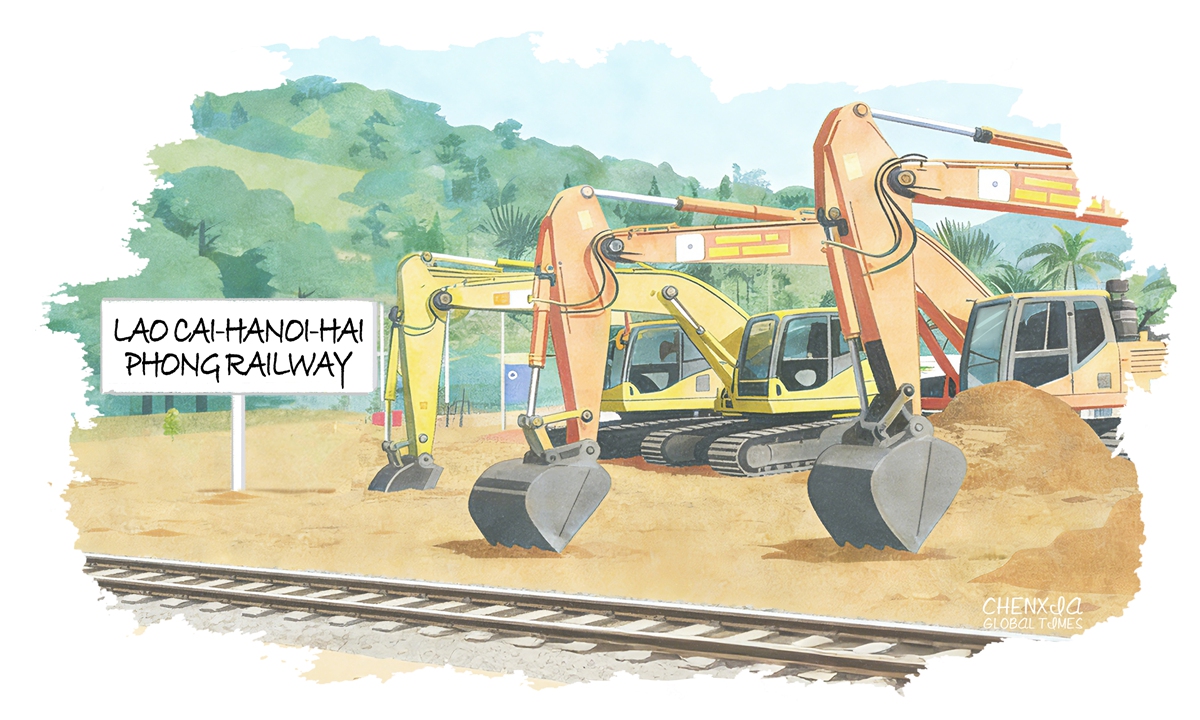
Vietnam on Friday kicked off construction of the first component of the Lao Cai-Hanoi-Hai Phong Railway, an important project aimed at enhancing regional connectivity and promoting economic development in northern Vietnam, according to the Xinhua News Agency.At the ceremony, Vietnamese Deputy Minister of Construction Nguyen Danh Huy said that the railway represents a strategic breakthrough in developing a modern infrastructure system in Vietnam, which is expected to create new growth momentum for the regions it passes through.
Amid uncertainties shrouding the global trade landscape, the joint efforts by China and Vietnam in advancing railway construction and cross-border interconnection send a strong signal of commitment to openness, cooperation, and mutual benefit.
The railway, extending from Vietnam's northernmost port city to the China-Vietnam border, is expected to significantly enhance bilateral connectivity and trade flows. It will directly improve cross-border logistics efficiency, reduce regional trade costs, and provide a solid foundation for the deeper integration of bilateral industrial and supply chains.
The railway is not merely a transport infrastructure project; it is also a strategic enabler of Vietnam's emerging role as a manufacturing hub in Southeast Asia. By optimizing the country's logistical and geographic advantages, the project is poised to inject durable growth momentum into Vietnam's economy.
Meanwhile, it opens up more efficient channels for trade and industrial collaboration between China and all ASEAN countries. The process of jointly planning, building, and sharing the benefits of this railway exemplifies the practical implementation of the principle of extensive consultation, joint construction, and shared benefits - the cornerstone of the high-quality Belt and Road Initiative.
Developing interconnections between China and Vietnam are ongoing with expanding economic and trade cooperation between the two nations. China-Vietnam trade reached 1.9 trillion yuan ($272 billion) in the first 11 months of 2025, up 14.6 percent year-on-year, according to China's customs data.
The deepening of bilateral trade and industrial chain collaboration has produced tangible benefits for Vietnam's economy and its people. Chinese investment in industrial parks and manufacturing facilities in Vietnam helps strengthen local supply chains, improve regional competitiveness, and integrate Vietnam more fully into regional and global value chains.
And, factory construction and expansion by Chinese enterprises would generate substantial employment in manufacturing, logistics, and services. Industrial clusters and export-oriented production zones also create demand for skilled workers, managers, and tech professionals, raising income levels and improving living standards.
Chinese demand for Vietnamese agricultural products such as durians, dragon fruits, and bananas has opened stable export channels, boosting rural incomes in Vietnam.
Despite global unilateralism and protectionism, China and ASEAN have demonstrated resilience this year by advancing trade and economic cooperation. The efforts underscore the determination to forge a closer China-ASEAN community with a shared future, by constantly accelerating regional integration.
A milestone in this ongoing economic integration is the signing of the China-ASEAN Free Trade Area (CAFTA) 3.0 upgrade on October 28. Covering nine areas, including the digital economy, green economy, and supply chain connectivity, the protocol signifies an expansion of cooperation from traditional trade and investment liberalization to emerging domains such as standards, digitalization, and sustainability.
Amid the headwinds of global trade protectionism and economic uncertainties, China's trade with ASEAN countries has remained robust. Data from Chinese customs show that in the first 11 months of 2025, China-ASEAN trade reached 6.8 trillion yuan, up 8.5 percent year-on-year.
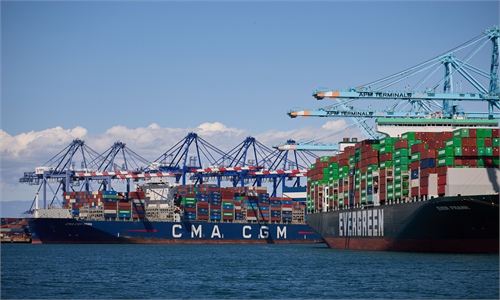
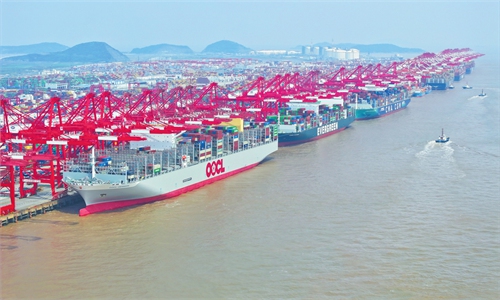
This resilience indicates that the region's connectivity and cooperative mechanisms are strong, highlighting ASEAN as a core growth market for a good number of Chinese enterprises. For ASEAN countries, this trade growth brings enhanced employment, industrial upgrading, and improved infrastructure, including railways, electricity, and port development.
The continued development of infrastructure projects such as the Lao Cai-Hanoi-Hai Phong Railway, together with the implementation of upgraded trade agreements, is expected to sustain trade growth, contributing structural and long-term benefits. Also, the cooperation contributes positively to global trade, strengthens the stability of regional economic integration, and enhances the resilience and sustainability of international supply chains.
By combining strategic infrastructure investment with policy-driven economic integration, China and Vietnam exemplify a forward-looking approach to mutually beneficial economic development, providing a blueprint for other countries navigating a complex global trade environment.
The author is a reporter with the Global Times. bizopinion@globaltimes.com.cn
RELATED ARTICLES