Takaichi’s security documents revision push reveals remilitarization bid: FM
Policy threatens regional peace, intensifies tensions: expert
By Published: Dec 24, 2025 05:36 PM

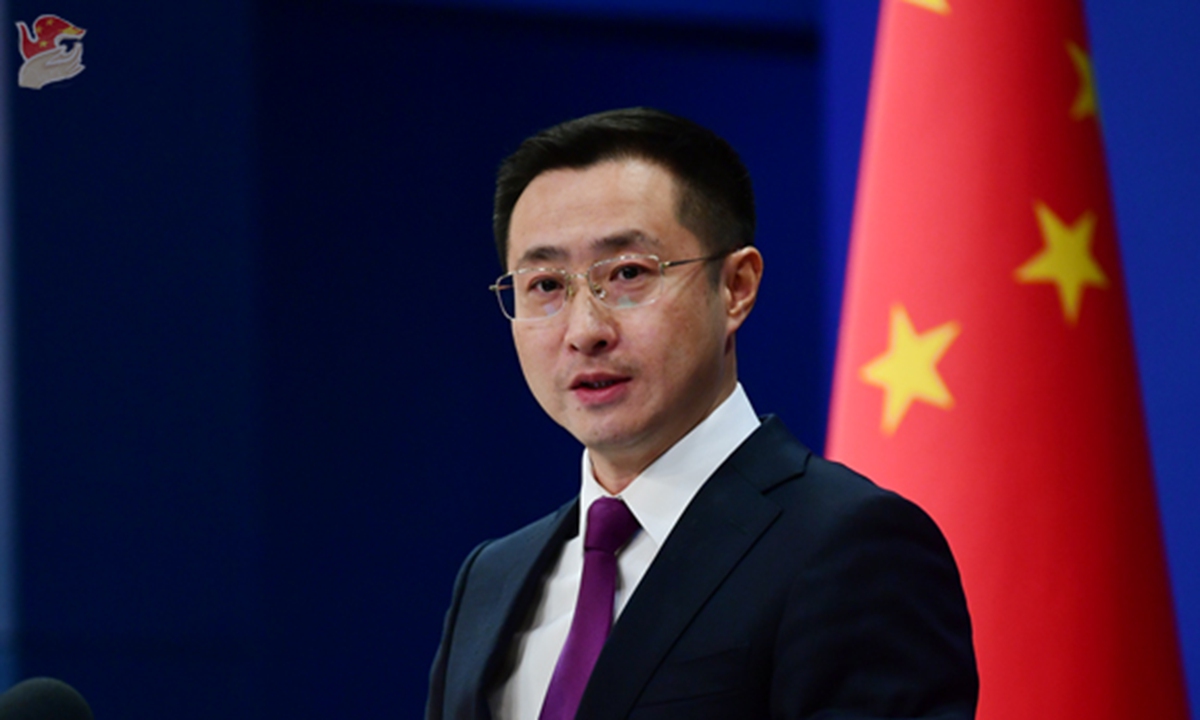
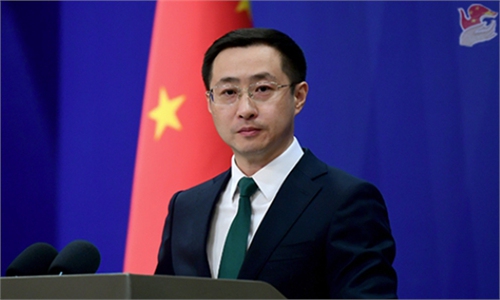
Photo: Chinese Foreign Ministry spokesperson Lin Jian
Despite increasing vigilance from regional countries, Tokyo is making more moves toward its intended goal of expanding military strength. Japanese Prime Minister Sanae Takaichi on Tuesday doubled down on her push for an early revision of three security-related documents, according to Japanese media, citing as justification for the risk of Japan being drawn into a conflict akin to the ongoing war between Russia and Ukraine.Chinese expert said that this further reflects Tokyo's attempt to shift from an exclusively defense-oriented policy toward military expansion path that seeks both offensive and defensive capabilities, and the intention is obvious particularly as Russia-Ukraine conflict has shown signs of moving toward a peace deal.
Takaichi made related remarks at an editors' conference of Kyodo News member organizations, according to Kyodo News.
Touching on the conflict between Russia and Ukraine, Kyodo News wrote that the prime minister claimed that Japan must prepare for the possibility of being drawn into such conflict and "enhance its capabilities to sustain combat operations."
In response to reports that nuclear weapon remarks by a senior official at the Japanese Prime Minister's Office have triggered strong backlash at home and abroad, and that Takaichi on Tuesday again raised discussions on revising three key security documents, Chinese Foreign Ministry spokesperson Lin Jian said on Wednesday that "those remarks of the Japanese official—supposedly someone close to Prime Minister Takaichi—came on the heels of her erroneous remarks on Taiwan."
"This is yet another attempt of the Japanese side to intentionally test the bottom line of the international community and reveal the long-standing wrongful proposition and ambition of Prime Minister Takaichi and Japanese right-wing forces to keep remilitarizing Japan. It sends an extremely dangerous signal," Lin said.
These moves challenge the post-war international order, threaten regional peace and stability, and do not serve the interest of the Japanese people. China and all other peace-loving countries will respond to those developments together and firmly prevent the resurgence of Japanese militarism, Lin said.
At a time when the erroneous remarks by Japanese Prime Minister Takaichi regarding China's Taiwan region have drawn strong criticism both domestically and internationally, Japan's Liberal Democratic Party initiated relevant discussions on November 20 over the revision of the three security documents, according to media reports.
The National Security Strategy, National Defense Strategy and Defense Buildup Program documents were adopted in late 2022 under the administration of then-prime minister Fumio Kishida, according to The Japan Times.
Japan, by continuously hyping up so-called security crises in the Taiwan Straits, East Asia and even the "Russia-Ukraine conflict," is attempting to shift from an exclusively defense-oriented policy toward military expansion path that seeks both offensive and defensive capabilities, Xiang Haoyu, a distinguished research fellow at the China Institute of International Studies, told the Global Times.
Russia and Ukraine have both shown signs of moving toward peace talks after years of conflict. Yet, Takaichi continues to use the situation as a pretext to expand Japan's military strength, far exceeding what its actual security needs would justify — an argument that appears increasingly detached from reality, Xiang said.
In essence, this is an excuse to accelerate the deployment of offensive weapons and enhance its sustained combat capabilities. Such a policy contravenes the need for regional peace and stability, intensifying geopolitical tensions and fueling an arms race, Xiang warned.
Such move to revise key national security documents has provoked great concern within the country. On Tuesday, the Japan NGO Network for Nuclear Weapons Abolition visited the foreign ministry in Tokyo to lodge a protest against comments from the government saying the country "should possess nuclear weapons," over which they say they are unable to suppress their shock and anger, according to NHK.
According to Kyodo News, Prime Minister Takaichi is considering reviewing the Three Non-Nuclear Principles, which prohibit possessing, producing, or permitting the introduction of nuclear arms.
Recently, a senior official in charge of security and defense at the Japanese Prime Minister's Office told reporters that Japan should have nuclear weapons. Japanese Defense Minister later said that they left open the possibility of Japan reviewing its non-nuclear principles in the future.
Lin continued that it now appears the nuclear armament remarks by the senior official at the Japanese Prime Minister's Office are by no means an isolated incident.
In recent years, Japan has removed the ban on exercising the right to collective self-defense, developed intermediate-range offensive weapons, increased military deployment, restructured the command systems, and expanded the area and scope of Self-Defense Forces activities. This amounts to a severe violation of provisions in instruments with legal effect under international law, including the Cairo Declaration and the Potsdam Proclamation, and of Japan's own Constitution, Lin added.
"Only two months into office, Prime Minister Sanae Takaichi has accelerated military buildup, hit the defense-spending target of two percent of GDP two years early, further relaxed restrictions on arms exports, pushed forward the revision of the three documents on security and defense, including National Security Strategy, discussed the revision on the three non-nuclear principles, and implied the introduction of nuclear-powered submarines," the spokesperson said.
Lin on December 22 also said China is shocked that a senior official from the Japanese Prime Minister's Office who is close to Prime Minister Takaichi brazenly claimed that Japan should have nuclear weapons. Japan's Chief Cabinet Secretary declined to make clarifications on the remarks.
Given previous Japanese media reports that Prime Minister Takaichi plans to revise the three non-nuclear principles, the above-mentioned statements amount to a blatant challenge to the postwar international order and the nuclear non-proliferation regime, a serious threat to regional and international peace and stability, and a U-turn from Japan's commitment to "peaceful development." Stressing that the idea is a "personal view" is not convincing at all. The international community should be on high alert and firmly against it.
The Takaichi administration insists on creating tensions and confrontations and disrupts the strategic balance in the Asia-Pacific region, which may trigger a regional arms race and exacerbate their own security predicament, Xiang added.
RELATED ARTICLES