With winter fun and warm-weather getaways, holiday tourism blooms nationwide with multi-sensory cultural events
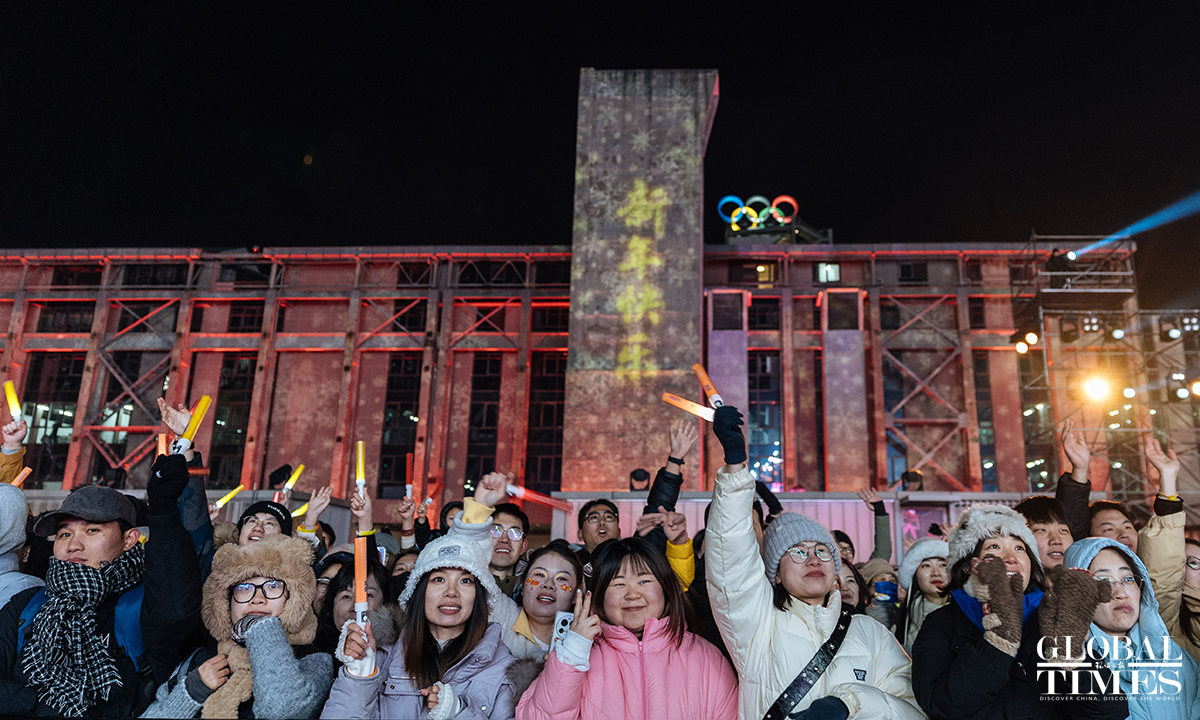
Participants join a New Year countdown that was held on December 31 at Big Air Shougang, the main venue of the New Year's Eve celebrations in Shougang Park in Beijing. Photo: Li Hao/GT
Be it the New Year's Eve night tours at 25 museums in Beijing or the more than 70 intangible cultural heritage events across East China's Fujian Province, diverse cultural tourism activities, rich with regional character, have been launched nationwide since midnight, offering immersive cultural experiences throughout the ongoing three-day New Year's Day holidays in China.
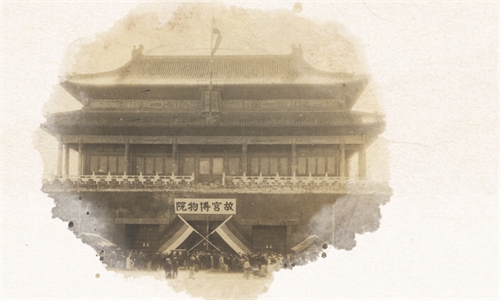
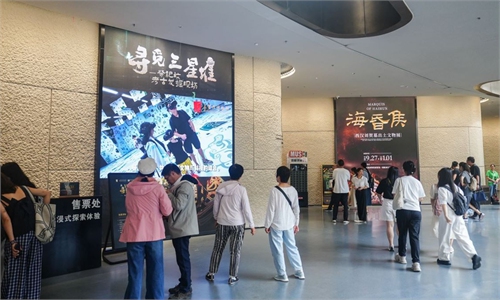
In Beijing, the holiday tourism campaign "Welcoming the New Year in Museums" brought together differently themed local venues such as the Capital Museum, the Natural History Museum of China, and the Beijing Olympic Museum to host New Year's Eve events.
With "Ocean World" as its theme, the New Year's Eve event held at the Natural History Museum of China allowed participants to celebrate by dressing up in costumes inspired by various marine elements. "We wanted the public to welcome the New Year through an immersive experience while also feeling connected to nature," a staff member surnamed Wu told the Global Times on Thursday.
A staff member at the Beijing Olympic Museum told the Global Times on Thursday that the museum remained open for 12 hours on Wednesday. It screened sports-related films and organized Winter Olympics-themed educational activities, engaging mainly young people and children in learning about various Winter Olympic sports, as well as the design concepts and cultural significance of Olympic medals and mascots.
"Immersive experience" appears to be a key theme for the holiday's cultural touristic events. Beyond Beijing, fireworks at a local theme park in Guangzhou, Guangdong Province and the cartoon animations along the Pearl River night cruise delighted visitors with a visual feast. Meanwhile, in Haikou, Hainan Province, a culinary event themed around the local specialty oysters attracted tourists from across the country.
In Shanghai, local theaters and performing arts venues will present 95 performances across 11 productions from the end of December to the Chinese Lantern Festival in early March, offering visitors rich auditory experiences. On Thursday, the Shanghai Grand Theatre launched its "New Year's art experience day," inviting the public to explore behind the scenes of the theater. International music groups from countries like Italy and the US will also come to the city to celebrate the beginning of the new year with Chinese audiences.
"Traditional sightseeing trips alone can no longer meet tourists' demands for holiday travel. More and more visitors now look to celebrate meaningful occasions such as the New Year's Day holidays through memorable cultural experiences," Ma Xiaodong, an expert in tourism behavior analysis, told the Global Times.
According to Meituan, booking orders for cultural and tourism products during the New Year's holiday period surged by 320 percent year-on-year a week before the holiday began. Among tourists' diverse preferences, both the seasonal ice-and-snow travel and its opposite of the "warm-weather getaways" have emerged as new travel trends during the New Year's holidays period.
With cultural tourism themes including "winter tourism + hot spring," "winter tourism + barbecue" and "winter tourism + morning market," cities in Northeast China, such as Shenyang, Changchun and Harbin, have become popular destinations for tourists during the holiday season. According to data from Ctrip, travel bookings to Liaoning Province for the 2026 New Year's Day holidays surged twice year-on-year.
Data from the JD Research Institute shows that visiting large-scale ice and snow attractions, such as the Harbin Ice and Snow World, is the most popular winter activity, accounting for 53.5 percent of visitors preferences. This is closely followed by niche ice and snow entertainment activities and soaking in hot springs amid snowy surroundings, both of which account for 45.8 percent.
Provinces such as Fujian, Hainan, and Yunnan have become popular destinations for warm-weather getaways. According to online travel platform Fliggy, during this year's New Year's Day holidays, Fujian Province's tourism bookings recorded multi-fold year-on-year growth, with local activity reservations surging by 200 percent compared with the same period last year.
RELATED ARTICLES