South Korea’s seafood exports to China surge 18% in 2025 as bilateral trade cooperation deepens
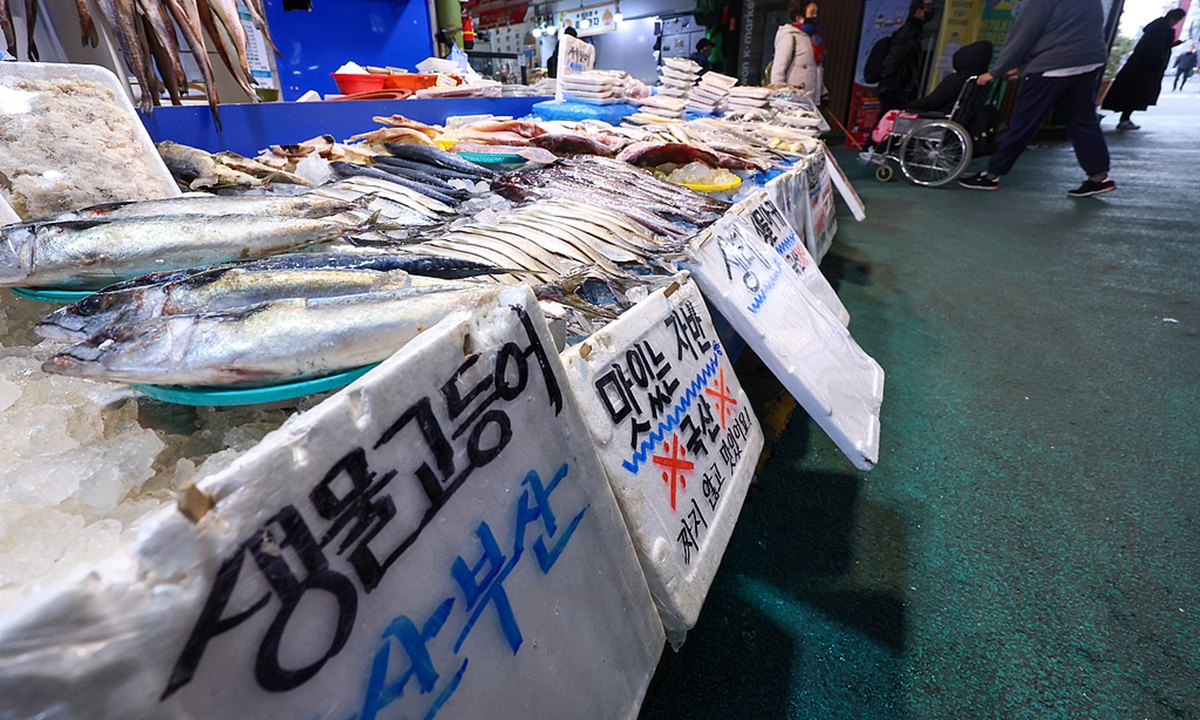
South Korean seafood Photo: VCG
South Korea's seafood exports hit a record high in 2025, with shipments to China posting double-digit growth and emerging as a key driver of the overall expansion, a trend unfolding amid improving China-South Korea economic ties and broader global trade uncertainty.
According to data released by South Korea's Ministry of Oceans and Fisheries on Thursday, the country's seafood exports reached a record $3.33 billion in 2025, marking a 9.7 percent year-on-year increase. Notably, exports to China, South Korea's second-largest seafood market, posted strong growth of 18.0 percent.
A South Korean official said the country will continue to expand its export markets, including major destinations such as Japan, China and the US, as well as emerging markets, to promote the sustained growth of the seafood export industry, per a news release on the ministry's website.
South Korea's seafood exports to China occupied an important place in the overall export structure of the sector, and stable demand from the Chinese market provided crucial support for South Korea's seafood exports amid a complex external environment, analysts said.
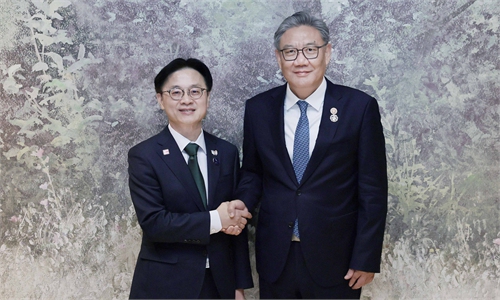
The strong performance comes against the backdrop of recent high-level interactions between the two neighboring countries, during which the two sides reached a series of important consensuses on deepening pragmatic cooperation in the economic and trade field.
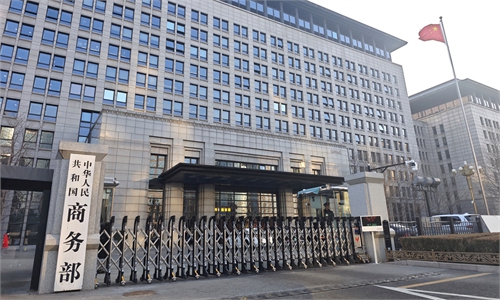
As part of these agreements, the two sides on January 5, 2026 signed a memorandum of cooperation on food safety and a memorandum of understanding on sanitary requirements for the import and export of natural aquatic products, with the aim of strengthening bilateral coordination on food safety regulation and improving trade facilitation, according to a statement from China's Ministry of Commerce (MOFCOM).
Notably, the memorandum on natural aquatic products focuses on the safety of seafood trade and is expected to simplify export procedures for South Korean seafood entering China, including waiving certain sanitary assessment requirements, thereby easing market access for South Korean products.
China is an important food trade partner for South Korea. In 2024, bilateral food imports and exports between the two countries reached $9.01 billion, official data shows.
"The latest cooperation is expected to further enhance the stability and predictability of bilateral food trade, help remove non-tariff barriers, and provide strong support for expanding South Korean food exports to the Chinese market," read the MOFCOM statement.
Seafood trade is part of this broader pattern, with established trade channels and regulatory cooperation helping to cushion the sector from external uncertainties, said Zhang Huizhi, director of the Institute for North Korea and South Korea Studies at the Northeast Asian Research Institute of Jilin University, noting that continued demand from China has provided practical support for South Korea's seafood exports.
"At the same time, South Korea's perception of China is undergoing a shift, one that is gradually taking shape at both the government and corporate levels and providing a realistic foundation for deeper economic and trade cooperation, including in the seafood sector," Zhang told the Global Times on Thursday.
China has for many years remained South Korea's largest trading partner. Bilateral trade reached $298.9 billion in the first 11 months of 2025, with China-South Korea economic and trade cooperation increasingly serving as both a stabilizing anchor and a driving force in the overall bilateral relationship, according to MOFCOM in January.
Amid global turbulence, South Korea is increasingly recognizing that cooperation is essential in safeguarding its trade stability and industrial security, leaving room for further expansion of bilateral economic cooperation, Zhang said.
He added that erroneous remarks and actions by Japanese politicians have rattled China-Japan relations, which could create space for South Korea to step in as a supplementary supplier in certain sectors and help meet demand in the Chinese market.
RELATED ARTICLES