Open criticism in Taiwan regarding new planned US arms sales; expert warns approval will severely crowd out budget resources for public welfare and social benefits
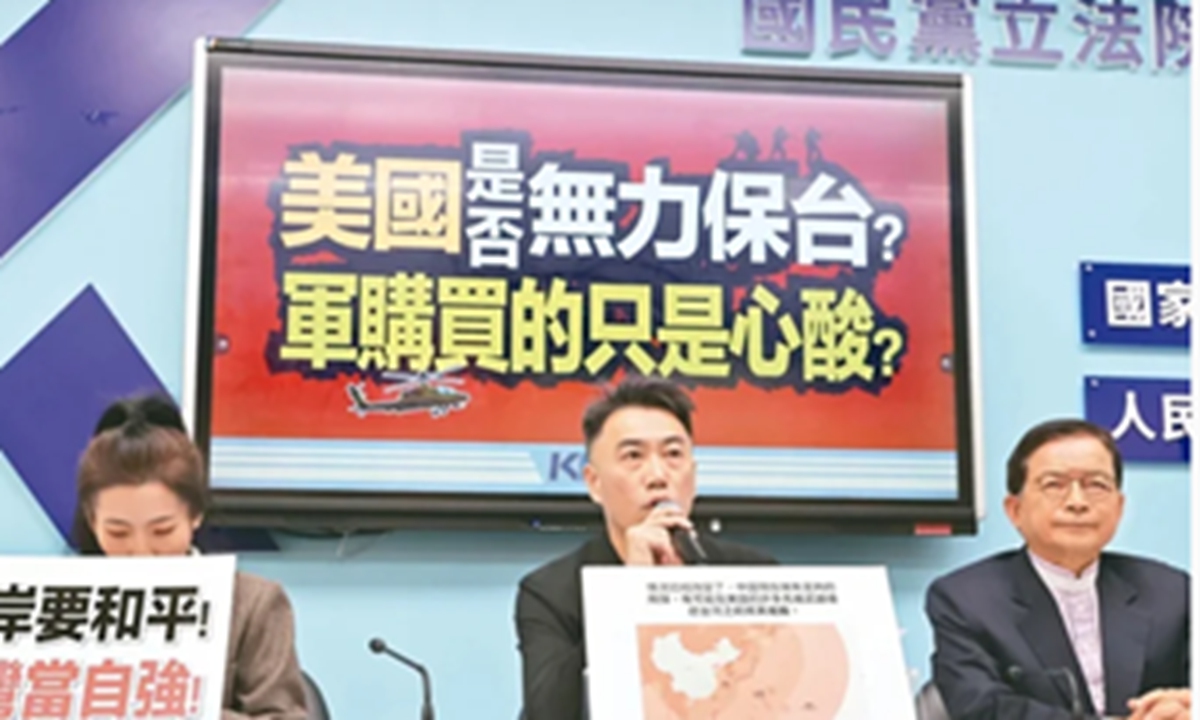
The Kuomintang party's legislative caucus whip Fu Kun-chi raised three key questions regarding US arm sales to Taiwan during a press brief on February 6, 2026.
After the Financial Times (FT) reported on Friday that the US is compiling a large arms sale of Patriot missiles and other weapons for the island of Taiwan, various opposition parties on the island publicly criticized the regional leader, Lai Ching-te, questioning how much more financial burden he intends to impose on the residents of Taiwan.A Chinese expert commented on Sunday that the US perceives these arms sales as a form of indirect "protection money," requiring Taiwan to pay through military purchases. He warned that if the new arms sale plan is approved, it would severely strain Taiwan's budget for public welfare, social services, and economic development, ultimately harming the island's overall progress.
The Trump administration is developing a package of four systems for Taiwan to purchase on the heels of the record $11.1 billion arms package it unveiled in December, according to eight people familiar with the situation, the FT reported. Several people familiar with the matter said the administration had been planning to notify Congress about the package this month, the FT said.
According to the Taiwan media United Daily News on Saturday, regarding the draft arms sale, the Chinese Kuomintang party's legislative caucus whip Fu Kun-chi raised three key questions. First, are the proposed weapons capable of achieving sufficient defensive effectiveness? Second, can they be delivered on schedule? Third, is there a consensus within the party regarding this matter?
He also emphasized that Lai does not respect military personnel and pointed out that the regular defense budget has already tripled compared to the early years of Tsai Ing-wen authorities. He questioned how much more financial burden Lai expects the residents of Taiwan to bear.
The chief deputy secretary-general of the KMT, Xu Yu-zhen, stated that the cumulative amount of unpaid defense procurement orders has exceeded 600 billion new Taiwan dollars (approximately $19 billion), and delays in delivering both old and new arms sales agreements have become a persistent issue. The legislator emphasized that if the US pushes for new arms sales while the DPP authorities accept them unconditionally, it will not enhance the island's combat effectiveness and may instead detreat from investments in personnel and systemic development, United Daily News reported
Recent reports from Taiwan media outlets indicate that several US politicians, including Raymond F. Greene, director of the American Institute in Taiwan, have recently publicly accused the opposition parties in Taiwan island of cutting the defense budget.
In response, KMT Vice Chairman Hsiao Hsu-tsen stated in an interview on Friday that American politicians should not meddle in Taiwan's internal affairs, and that this trend must not continue. Hsiao further elaborated that Lai has claimed to "enhance Taiwan's defense capabilities" in order to please the Americans, yet he has not improved the treatment of military personnel on the island. Hsiao also pointed out potential corruption issues within the DPP authorities concerning military procurement from the US.
Some netizens on the island have also raised concerns about the US arms sales.
"What's the point of approving weapon deals when you don't send your buyers any weapons?" A netizen @fdjw0808 commented. Another netizen, @RocoLW, said, "the weapons ordered 10 years ago still haven't been delivered. It's purely a scam for money!"
The US views these sales as a form of indirect "protection money," requiring the island to pay through military purchases - this approach has caused backlash within Taiwan's society, Zhang Wensheng, deputy dean and professor at the Taiwan Research Institute of Xiamen University, told the Global Times on Sunday.
He noted that mainstream public opinion in Taiwan favors peaceful and stable cross-Straits relations with gradual de-escalation. However, the DPP's reliance on the US to confront the mainland and pursue "Taiwan independence" continues to exacerbate cross-Straits tensions and increase the risk of conflict.
The Lai authorities have attempted to trade the island's overall interests for US political support for the DPP, which has raised strong concerns and dissatisfaction among opposition parties and impacted public sentiment in Taiwan, Zhang said. He warned that if the new arms sales package is approved, it would severely strain Taiwan's budget for public welfare, social benefits, and economic development.
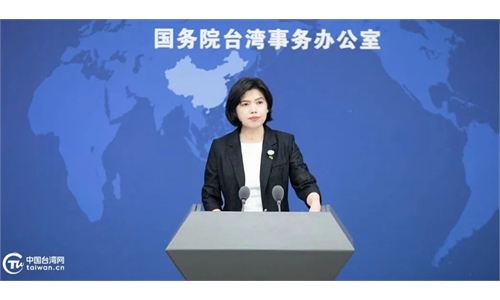
A Taiwan Affairs Office spokesperson said on Thursday that the Taiwan question is at the core of China's core interests, and the first red line that cannot be crossed in China-US relations, regarding the recent phone call between Chinese and US leaders, in which the Chinese leader emphasized that the Taiwan question is "the most important issue in China-US relations."
The Chinese expert urged the US to refrain from repeatedly challenging China's red lines regarding arms sales to Taiwan and stop sending wrong messages to "Taiwan independence" separatist forces.
RELATED ARTICLES