Illustration: Liu Rui/GT
China transforms into one of the most dynamic human landscapes in the modern world during the Spring Festival season. Often described as the world's largest annual migration, it is now evolving into a powerful international tourism phenomenon, attracting growing numbers of foreign visitors eager to experience the celebration firsthand.
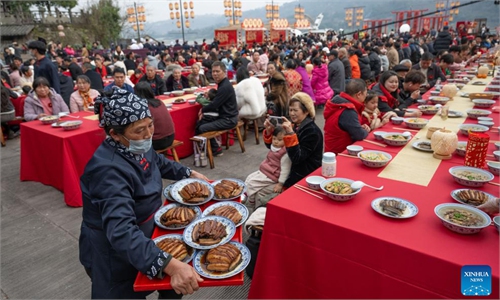
The Spring Festival is the most important social occasion in Chinese culture. It is not confined to a single day but extends over weeks of preparation and celebration. Rooted in values of family reunion, respect for elders and renewal of social bonds that stretch back thousands of years, it represents far more than a holiday; it is a cultural institution. For the Chinese people, returning to their hometowns before the Chinese New Year's Eve reunion dinner is both a moral and emotional obligation. The family remains the nucleus of cultural and spiritual stability in a society that has rapidly urbanized, and the Chinese New Year's Eve dinner, where generations gather around one table, continues to be the emotional heart of the celebration.
The Spring Festival travel rush, known as chunyun, reflects both cultural continuity and economic vitality. In 2026 alone, authorities projected that it could be the largest Spring Festival travel rush in history, with cross-regional passenger trips expected to reach 9.5 billion. Railway travel accounted for more than 540 million trips, while air travel catered to nearly 95 million passengers. These figures are not merely logistical statistics; they demonstrate the strength of China's household economy, the integration of vast regional networks and the sophistication of transport infrastructure, from expressways crossing mountains and plains to the world's most extensive high-speed rail system and interconnected airport hubs.
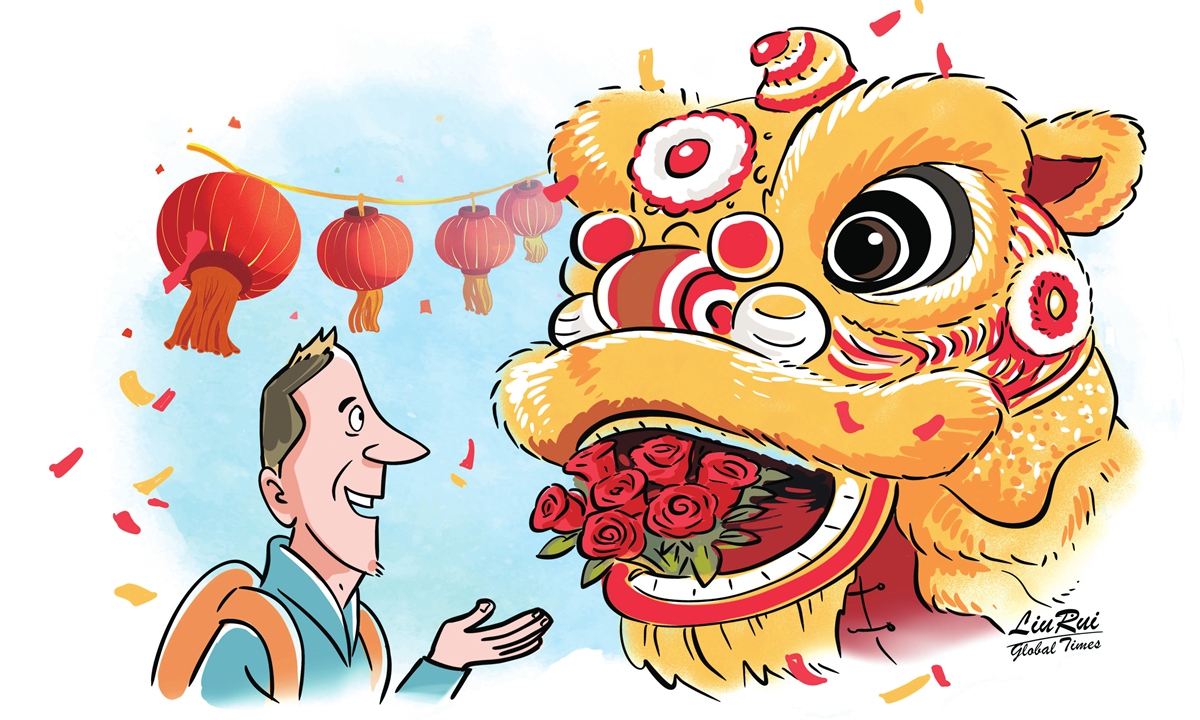
Today, this powerful cultural energy is no longer experienced only by locals. Increasingly, international travelers have arrived to witness and participate in these traditions. For foreign visitors, witnessing this scale of movement is itself part of the experience, offering a vivid example of how tradition and modern organization coexist. Amid this Spring Festival holidays, China has increasingly positioned itself as a global holiday destination. Flight bookings to China by foreign tourists had surged more than 400 percent compared with the same period last year. International visitors are drawn by traditional Chinese New Year cuisine, festive customs and temple fairs, cultural performances and handicrafts, unique winter landscapes in northern China, and warm-weather escapes in the south.
In Harbin, the world-famous ice and snow attractions showcase breathtaking illuminated ice architecture and immersive cultural activities that have become a major draw during the northern winter season. Meanwhile, southern destinations such as Hainan offer a contrasting experience. During the 2026 Spring Festival, nearly 80,000 foreign visitors were expected to enter through the island's major airports, reflecting strong growth compared with the previous year. Travelers combine beach holidays with festive markets, cultural performances and duty-free shopping, blending leisure with tradition.
Foreign tourists are also attracted by products unavailable in their home countries, including themed perfume sachets inspired by the zodiac year, traditional garments, foldable smartphones and regional cultural souvenirs. Shopping has become an integral part of the broader festive tourism experience, seamlessly merging heritage with contemporary consumer culture.
China's expanding visa-free policies have significantly lowered entry barriers. The number of eligible visa-free countries has increased, while digital services such as mobile ticket booking and seamless electronic payments have made travel efficient even during peak demand. Tax refund services, broader acceptance of international payment methods and enhanced digital entry systems further smooth the experience for overseas visitors.
The country's vast transportation and digital infrastructure underpin this entire phenomenon. Expressways are engineered to handle massive peak flows and regional airports connect smaller cities to global hubs. Fully digital ticketing systems and mobile payment ecosystems ensure efficiency at scale. Rather than weakening tradition, this integration of infrastructure and technology reinforces it by reducing travel stress and ensuring that cultural continuity remains viable within a modern economy.
The Spring Festival reflects the deep connection between faith, culture and mobility. China's Spring Festival has evolved into a comprehensive festive economy deeply intertwined with culture. What began as a massive domestic homecoming has become an international tourism magnet. Returning home is not merely a tradition; it is an emotional, cultural and economic necessity. Supported by world-class infrastructure, advanced digital systems and a growing middle class, China has transformed its most important holiday into a globally attractive seasonal experience. Today, the Spring Festival stands not only as the world's largest annual human movement but also as one of the world's most compelling cultural tourism events.
The author is head of the Chinese affairs at Alqahera News website. opinion@globaltimes.com.cn
RELATED ARTICLES