USTR’s claim of no plan to raise tariffs on China above current levels, tariff-related rhetoric and excessive capacity remarks ‘hegemonic’
By and Chen Qingrui Published: Feb 26, 2026 10:16 PM
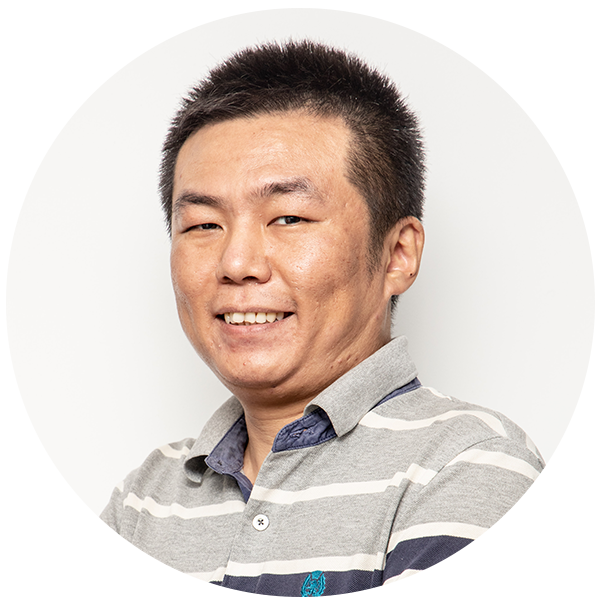
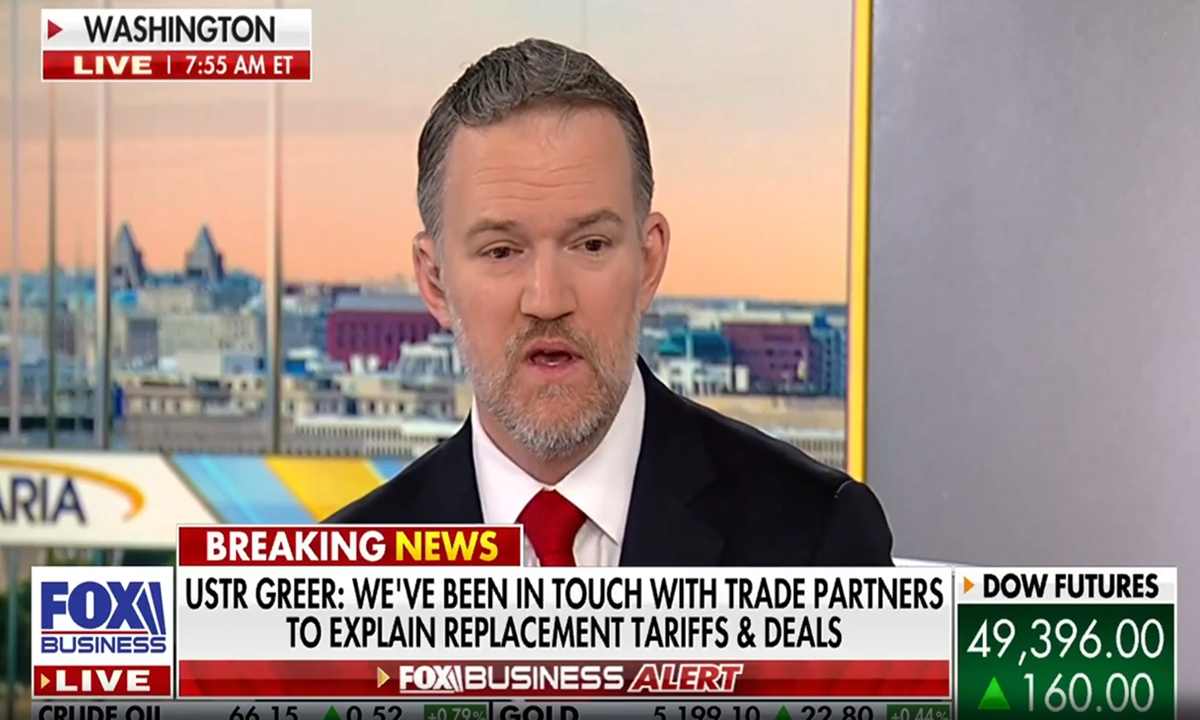
US Trade Representative Jamieson Greer speaks at a TV interview on February 25, 2026. Photo: Screenshot from Fox Business Network's "Mornings with Maria" program
US Trade Representative Jamieson Greer claimed in a TV interview on Wednesday local time that the Trump administration does not intend to raise tariffs on Chinese goods above current levels, while he said some countries could face up to 15 percent in new tariffs, as the Trump administration's new tariff on global goods took effect this week, according to Reuters, which also mentioned that President Donald Trump plans to travel to China in coming weeks.
In the Fox Business Network's "Mornings with Maria" program, Greer claimed the US tariff rate for some countries will rise to 15 percent or higher from the newly imposed 10 percent, without naming any specific trading partners or giving further details. Greer also claimed Section 301 investigations can serve as an enforcement mechanism for trade agreements the administration has struck in recent months.
Asked whether the administration is willing to impose steep new tariffs on Chinese goods that could upset a delicate trade truce, Greer claimed: "We don't intend to escalate beyond" rates that are currently in place. "We intend to really stick to the deal that we have with them."
However, in the same interview, Greer maintained that he and Treasury Secretary Scott Bessent have repeatedly raised the issue of excess industrial capacity with Chinese officials, adding that unprofitable Chinese firms are allowed to stay open and continue producing with government support, per Reuters. "I don't think they're going to resolve that problem fully, and that's part of why we need to have tariffs on China...," he said, trying to justify the tariffs.
Previously, on February 20, the USTR said it will continue ongoing Section 301 investigations, including those involving Brazil and China, per a post on its website.
The latest comments by the USTR head came as China's Ministry of Commerce (MOFCOM) on Wednesday responded to earlier remarks by him claiming that the US will continue to advance the Section 301 investigation into China's implementation of the phase-one economic and trade agreement and may impose tariff measures.
Chinese experts said the remarks from the USTR, which still treat tariffs as a tool of dealing with other countries and the mentioning of the so-called issue of excessive industrial capacity, essentially reflected a deeply entrenched hegemonic mindset in its China policy.
The facts about the implementation of the phase-one economic and trade agreement are clear, and the Chinese government will certainly take necessary countermeasures to resolutely safeguard the legitimate rights and interests of its enterprises and the country, the expert said.
The USTR's latest remarks also came following the US Supreme Court's ruling that made most of the Trump administration's tariffs illegal, amid uncertainties over how much of the many trade deals arranged based on these tariffs could still hold water and many companies in the US asking for refunds.
Gao Lingyun, a research fellow at the Chinese Academy of Social Sciences, told the Global Times on Thursday that attempts by some US officials to revive and hype the topic of a phase-one trade agreement and the so-called issue of overcapacity at this juncture are primarily for political purposes, reflecting the US' hegemonic mindset in trade and economic issues and a longstanding tug-of-war between hardliners and more pragmatic, rational factions regarding China policy.
Whereas the US strategic orientation of containing China remains unchanged, it contradicts with the reality that the US cannot truly "decouple" with China and the US needs China's cooperation and support in a wide range of global affairs, Gao said, noting that this has resulted in a clear contradiction and back-and-forth in US policy.
Gao said that China has demonstrated a rational and restrained attitude while simultaneously sending a clear signal: should the US insist on using investigations as a pretext to impose additional tariffs or carry out suppression and pressure, China will respond resolutely.
He Weiwen, a senior fellow at the Center for China and Globalization, told the Global Times on Thursday that after the US Supreme Court struck down most of the Trump administration's tariffs, a period of turmoil in US tariff policy is highly likely.
According to a post on MOFCOM's website on Wednesday, a spokesperson noted that China hopes the US side will view the implementation of the phase-one agreement in an objective and rational manner, refrain from "shifting blame and passing the buck," and certainly not use it as an excuse to "stir up trouble" or "provoke issues."
In January, Chinese Foreign Ministry spokesperson Mao Ning said at a press conference that China-US economic and trade cooperation is mutually beneficial, and there are no winners in a trade war or a tariff battle. Such a conflict does not serve the interests of any party and is not conducive to the global economy, Mao said.
He Weiwen said that any across-the-board tariffs by the US administration, no matter which US law is cited as legal grounds, could be subject to litigation by various entities in the US as any such measures will lack legal basis.
China's position against unilateral tariff measures are consistent, and the country will surely respond should the US move to escalate the tariff measures, He Weiwen said.
RELATED ARTICLES