Latest US-Israel strike on Iran jeopardizes regional stability, sets a dangerous precedent: Chinese scholars
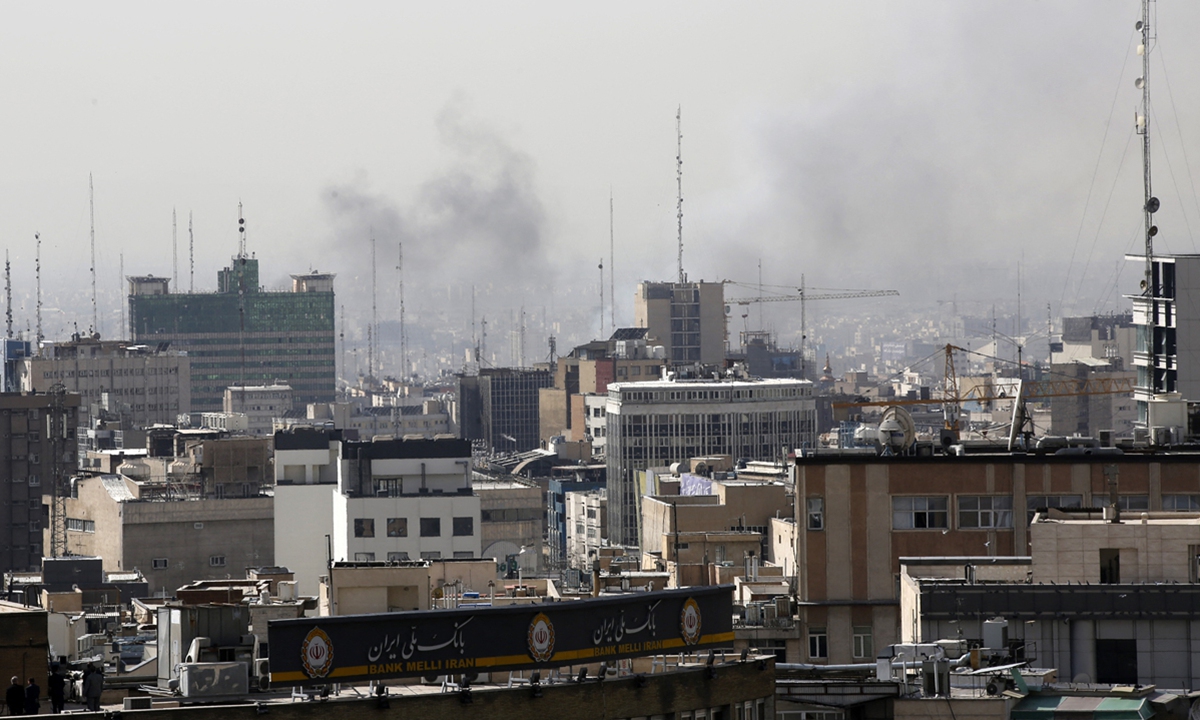
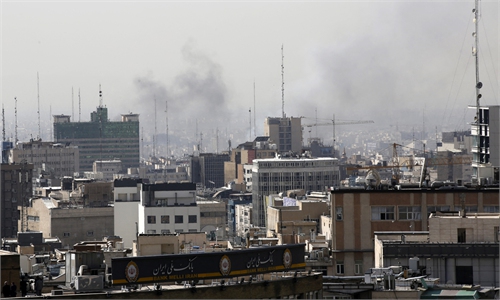
Multiple targets are attacked and an explosion occurs in Tehran, Iran on February 28, 2026. Photo: IC
Editor's Note:
Currently, the world is closely watching how US-Israel attacks on Iran and the latter's retaliatory strikes will develop and their impacts on the regional situation in the Middle East. Where will the conflict head? How should we understand Beijing's concern over the US-Israel military strikes and calls for an immediate stop of the military actions? The Global Times invited three Chinese international relations experts to comment on these issues.
Pan Guang, senior advisor of the Chinese Association of Middle East Studies and director of the Center of Jewish Studies Shanghai
The military actions taken by the US and Israel against Iran have significantly undermined regional security in the Middle East. With its highest power structure severely impacted, Tehran is now confronted with new uncertainties regarding its national strength and political stability. Given that Iran is a major center of Shia political influence in the region, military actions against it could exacerbate sectarian tensions.
Without international legal justification, the US and Israel carried out "preemptive" targeted strikes against a sovereign state. This action undoubtedly constitutes a severe shock to the post-World War II international order. This round of military actions against Iran is likely to deepen fear and insecurity among regional states and negatively affect future US-Arab relations.
Given the current circumstances, it is essential to clearly condemn the parties that initiated military action and undermined regional stability. Moving forward, de-escalation will require concerted efforts from the international community to prevent the spillover of conflict into broader regional turmoil. Adherence to international law and a commitment to multilateralism remain crucial pathways toward stabilizing the Middle East.
Wang Zezhuang, professor of the Institute of International and Regional Studies and the director of the Iranian Studies Center at Beijing Language and Culture University
The security architecture of the Middle East is now facing severe challenges, and the military tensions between Iran, Israel and the US may be protracted. From a strategic perspective, their divergences over core interests and regional influence are structural. Furthermore, the forms of their confrontation are likely to become increasingly diversified and asymmetric. In addition to conventional military clashes, cyberattacks, proxy wars, political and media campaigns, and diplomatic contestation in international forums may all become enduring features.
Following the outbreak of the conflict, China expressed concern over US and Israeli military actions and called for an immediate stop of military actions. It also emphasized that the sovereignty, security and territorial integrity of Iran should be respected. China has consistently upheld the principle that all countries have the right to independently choose their own development paths and has opposed external interference in the internal affairs of other states. This principled position aligns with the shared interest of preserving long-term stability in the Middle East and upholding the fundamental norms of international relations.
The military actions against Iran have once again drawn international attention to US unilateral and arbitrary behaviors in international affairs. Although it's one of the five permanent members of the UN Security Council, the US has taken the lead in undermining international law by launching an attack on a sovereign state. It is therefore not an exaggeration to describe the US as a root cause of turmoil in the Middle East.
Ding Long, professor at the Middle East Studies Institute of Shanghai International Studies University
First and foremost, the military actions by the US and Israel constitute a grave violation of international law and a total disregard for global norms. These actions have dealt a severe blow to international energy security and the safety of critical energy shipping routes, threatening global economic stability and recovery. The killing of a sovereign state's legal supreme leader sets a malicious and dangerous precedent, undermining the existing international order and redefining modern warfare in a way that will undoubtedly trigger a "chilling effect" globally.
The US and Israel are unlikely to stop here; they will likely press their advantage with further offensives until their goal of regime change is met. They will likely employ "salami-slicing" tactics to continuously weaken the state, incite domestic unrest and jeopardize Iran's security.
Second, Iran has prepared extensively for such aggression, making meticulous military and political arrangements. Currently, the transition of power appears orderly. The resilience of the Iranian state now depends on the functioning of its administrative system and whether its military counterstrikes can remain sustained and effective.
Third, this war will have a tectonic impact on Middle Eastern geopolitics and the global landscape. A more emboldened US-Israel axis may act with increasing impunity in the region. This drastic shift likely favors a US-led reintegration of the Middle East.
Regardless of how Iran can weather this storm, this war will rewrite the history of the country, the Gulf and the Middle East at large. The emergence of a new mode of warfare, the trajectory of Iran's internal stability and the subsequent reshaping of the regional order all demand our closest attention.
RELATED ARTICLES