Illustration: Liu Xiangya/GT
At a time of renewed geopolitical instability and disruptions to global energy supplies, the energy transition in the EU has once again come into sharp focus.Speaking at the 2026 Green Growth Summit in Brussels on Monday, Simon Stiell, executive secretary of the United Nations Framework Convention on Climate Change (UNFCCC), issued a clear call to European governments. The volatility of global energy supplies has underscored the strategic value of renewable energy, he said, noting that "renewable energy allows countries to insulate themselves from global turmoil and to side-step might-is-right politics."
His remarks served as a sobering reminder of the urgency facing Europe's energy transition.
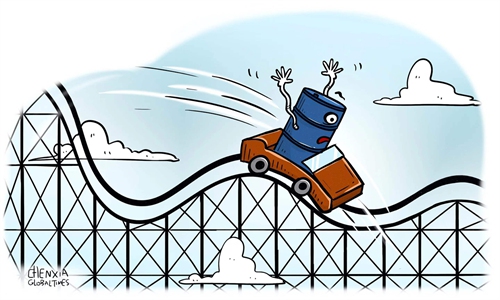
The recent turbulence in global energy markets has merely exposed long-standing vulnerabilities in the global energy landscape, particularly that of the EU. For years, energy has been a persistent drag on the EU's economic performance, and the recent turmoil in global energy markets has only deepened its predicament.
Given its exceptionally high dependence on fossil fuel imports, the region has become vulnerable to international price swings and geopolitical realignments. Soaring energy costs now weigh heavily on businesses, strain household budgets, and hamper the broader economic recovery. In this context, it is little wonder that calls for a more resolute push toward energy transition are growing louder by the day.
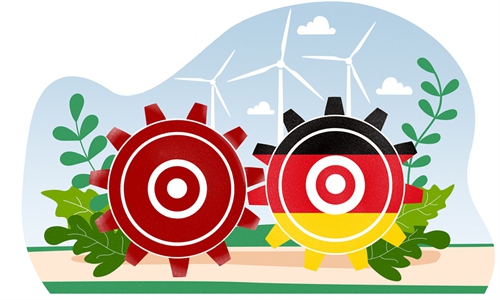
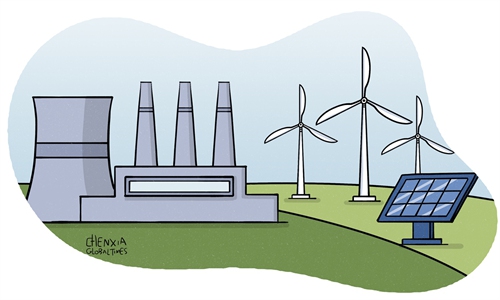
Indeed, the general direction of the EU's energy transition has long been clear. From setting carbon neutrality goals to introducing green policies, the EU has established itself as a frontrunner in the global green transition. In 2025, wind and solar generated more EU electricity than fossil fuels for the first time, a "major milestone" in the transition to clean power, according to euronews.com.
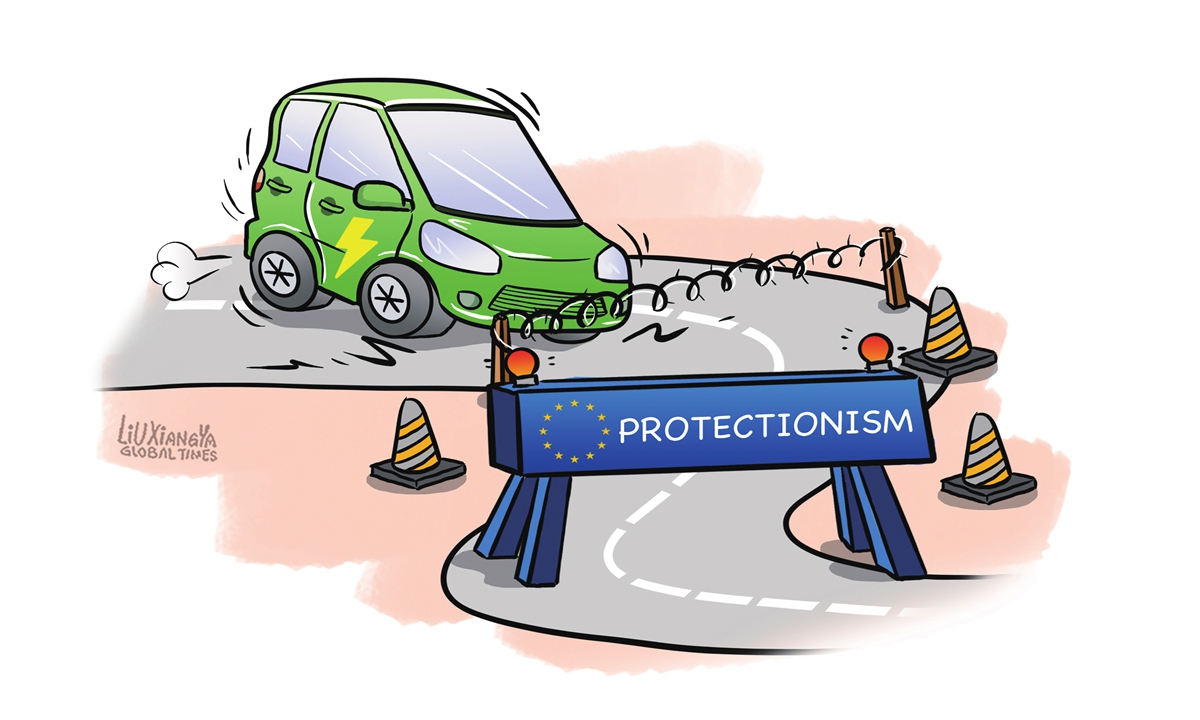
Yet, when the energy turmoil struck, alternatives to imported fossil fuels proved insufficient, exposing a gap between the bloc's ambitions and its capacity to respond. The bloc is moving in the right direction, but acceleration is needed. The reasons are manifold: policy delays, lengthy infrastructure build-outs, the pace of technological progress, and the challenge of aligning the interests of member states. The tendency toward trade protectionism is also an undeniable obstacle.
As the bloc navigates the path of energy transition, resistance is hardly surprising. Some forces are using the pretext of "protecting local industries" to slow the process, erecting trade barriers and imposing local-content requirements for green projects. On the surface, these measures may appear to buy time for domestic adjustment. In reality, they are deeply shortsighted.
Not only do they violate the principles of fair global trade, they also risk locking Europe out of the very opportunities that the energy transition is meant to unlock.
In contrast, the harm of protectionism to Europe's energy transition is reflected in many aspects. At the supply chain level, the research and development, production and deployment of clean energy technologies require global collaboration.
From solar panels to wind turbines, and from energy storage systems to smart grid equipment, no country can independently master all core technologies and achieve optimal resource allocation. Artificial trade barriers not only push up equipment procurement costs but also delay the implementation of renewable energy projects.
More seriously, protectionism is at odds with the urgency of the energy transition. Every delay caused by protectionism prolongs the bloc's exposure to the volatility and geopolitical risks of fossil fuel dependence.
This self-defeating approach becomes even clearer when considering the basic economics of energy. According to the UN, more than 90 percent of new renewable projects are now cheaper than fossil fuels. This cost advantage provides a solid foundation for the EU to accelerate its transition.
Investing in clean technologies can not only reduce energy costs but also create new industries, jobs, and export opportunities. Europe possesses profound technological resources and talent advantages in wind power, photovoltaics, hydrogen energy, and other fields, and it can fully leverage the energy transition to reshape its industrial competitiveness. But its progress has fallen short of its potential.
In an era of volatile energy markets and accelerating green competition worldwide, how to make trade policies serve rather than hinder the overall energy transition is an issue that the bloc needs to face seriously.
Abandoning trade protectionism and promoting the development of renewable energy with a more pragmatic attitude is an important step toward solving the region's energy puzzle and securing its economic future.
RELATED ARTICLES