ARTS / CULTURE & LEISURE
Archaeological site with ‘destroyed weapons’ burial ritual discovered
By Published: Mar 18, 2026 11:47 PM

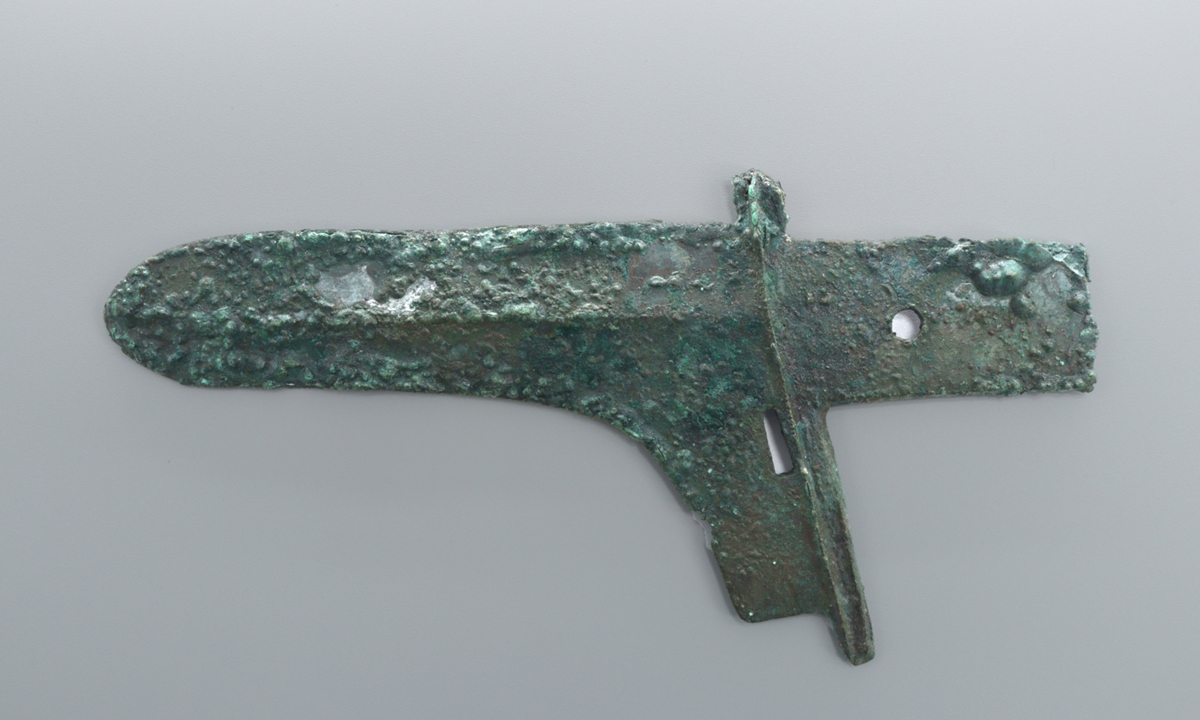
Photo: Courtesy of Shaanxi Academy of Archaeology
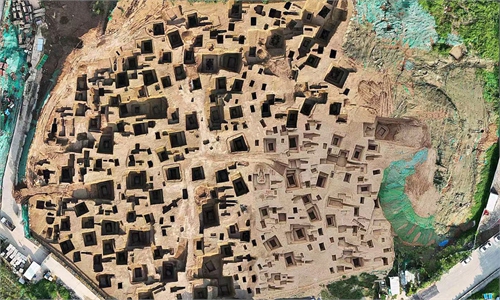
Chinese archaeologists have uncovered Western Zhou Dynasty (1046BC-771BC) remains at the Jiangliu site in Northwest China's Shaanxi Province, revealing burial customs that embody the ancient Chinese philosophy of "zhigeweiwu," which means "stopping war is true valor," according to a press release issued by the Shaanxi Academy of Archaeology on Wednesday.Located on a loess plateau south of the lower Jinghe River, northeast of Jiangliu village, the site is a large settlement moat site from the late Yangshao culture period that has yielded a wealth of artifacts, including pottery, jade, stone, bronze and bone objects, according to the press release.
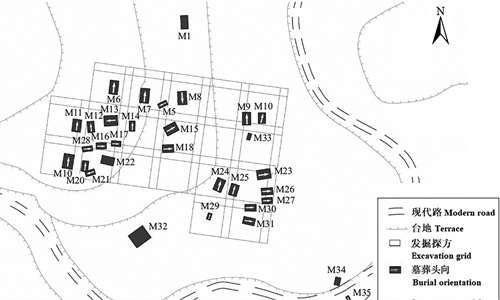
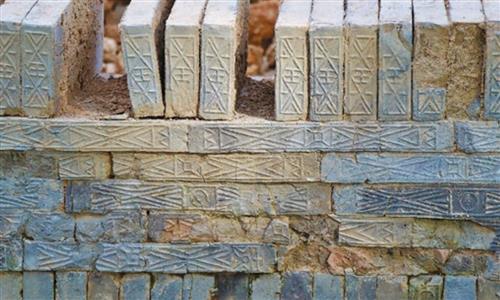
A total of 13 Western Zhou tombs have been excavated so far, all rectangular vertical pit tombs with most occupants buried in a supine position with limbs straight. The tombs lack an overall layout, with some facing east and others west, and vary in structure and burial customs, suggesting a complex composition for the cemetery population.
Most tombs contain a typical combination of one tripodal cooking vessel and one jar, without any ritual food vessels, a distinctive feature of the period, leading archaeologists to surmise the cemetery was for commoners. Based on pottery and bronze characteristics, archaeologists date the remains to the late middle to early late Western Zhou Dynasty.
Notably, some tombs contain small broken bronze weapons such as knives and dagger-axes, a practice linked to the "destroyed weapons burial custom" that reflects the philosophy that "stopping war is true valor."
As recorded in the ancient Chinese classic Zuozhuan, this concept holds that true valor lies in ending conflict rather than waging war.
Yu Pengfei, an archaeologist from the Shaanxi Academy of Archaeology participating in the excavation, told the Global Times that this custom is closely related to the standardization of rituals during the Western Zhou Dynasty and burial practices at the social level. In addition, it also reflected the ideal that "stopping war is valor" and the transformation of practical weapons into grave goods at the individual level.
The broken weapons, once practical tools of war, were deliberately damaged before burial to symbolize peace for the deceased in the afterlife, turning them into ritual grave goods.
These discoveries fill a gap in archaeological materials from this period along the lower reaches of the Jinghe River in Shaanxi Province and provide crucial evidence for understanding people's activities in this area during the Western Zhou Dynasty, Yu added.
RELATED ARTICLES