'Precision strikes' mask the truth about civilian deaths
By Published: Mar 19, 2026 03:16 PM

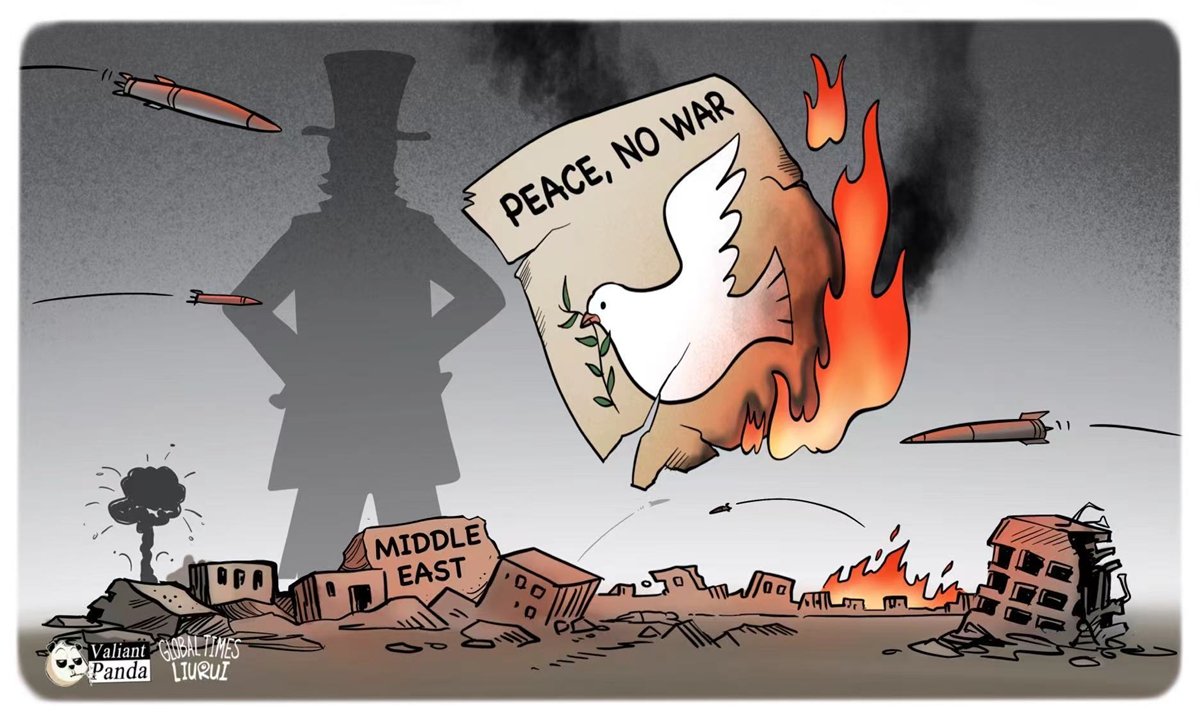
Destroying peace. Illustration: Liu Rui/GT
Years ago, I traveled to Iran. What stayed with me most from that trip was not the towering columns of Persepolis nor the turquoise domes of Isfahan; it was the children.
At nearly every historical site, groups of schoolchildren would appear. Teachers led them through open-air history lessons among the ruins, and the moment they spotted a foreign face, some would dash over — notebooks and pens already outstretched — asking for an autograph and a selfie, grinning from ear to ear.
I have a picture taken during this moment: a little girl in a black headscarf, grabbing my wife's hand and pressing a notebook into her palm. Those smiles were unfiltered, untouched by politics — pure childhood curiosity.
The US-Israel-Iran conflict has entered its third week. Every day, I wonder where that little girl is, and if she is safe and well.
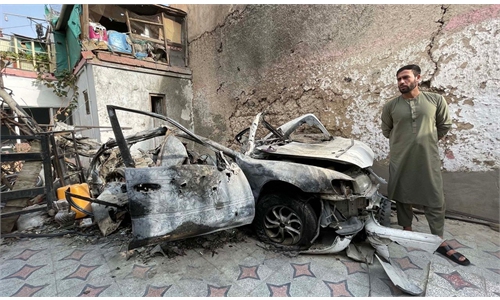
On the first day of the war, in Minab, southern Iran, a primary school, Shajareh Tayyebeh, was struck, killing over 165 people, most of them girls aged between 7 and 12, and injuring at least 95. A US assessment, confirmed by investigators, blamed a Tomahawk cruise missile.
When I read the news, the number did not hit me first. What hit me was that photograph — a small hand, a notebook, a smile. And then I asked myself: What exactly are we paying attention to? But there's so little reporting on civilian casualties, the living, named individuals.
We have been carried along by a carefully constructed narrative language — one that keeps our eyes fixed on buildings, trajectories and strategic objectives while quietly stepping around the most basic question: Who were the civilians who died?
"Precision strike," a common wartime phrase, subtly implies civilian safety in briefings and news. However, "precision" refers only to hitting coordinates, not protecting nearby people.
A missile that precisely hits a nuclear facility can still kill workers inside it, residents nearby and schoolchildren three kilometers away. All of this can be logged as a successful precision strike, written into a battle report and celebrated as a technical achievement.
So, where do the dead civilians go? They are absorbed into another carefully engineered phrase: collateral damage. This term exists to carve out legal and moral space for civilian death, while its clinical neutrality dampens the outrage that plain language would provoke. A child's death, within this framework, becomes an acceptable variable — a probability range in a risk assessment report.
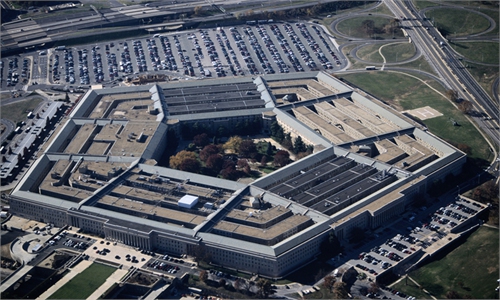
It's not a conspiracy, but a decades-old structural bias. Western media outlets rely heavily on Pentagon, Israeli military and White House sources, shaping coverage based on targets hit, not lives lost. Journalists verify details diligently, but the initial frame predetermines the outcome: Civilians become background, not focus.
Meanwhile, satellite images of smoldering facilities appear on front pages within hours of each strike. Technology is visible. People are not.
There is a deeper layer still. Philosopher Judith Butler, in Frames of War: When Is Life Grievable?, argues that not all lives are accorded equal "ungrievable" in public discourse. Some deaths trigger collective grief; others are processed as data. This is not individual prejudice — it is a systemic mechanism of emotional distribution, reinforced over time by media framing.
For decades, Iran has been constructed in Western narratives as a "rogue state," a "nuclear threat," and part of an "axis." When a country is reduced to a symbol of danger, its civilians are unconsciously pushed to the margins — not through deliberate cruelty, but through trained distance. And so here we are: coverage — including vast swaths of social media — amplifying "precision strike" around the clock.
We have quietly accepted a moral hierarchy in which the aggressor defines the war's legitimacy, sets the price of civilian life and the media's role is to fill in the details within that given frame.
I think of that girl. She would be 14 or 15 now. I don't know where she is. I don't know the name of her school. I don't know whether she went to class yesterday.
"Precision strike" is a technical term being used as a moral certificate. It is the most effective piece of language this war has produced — and the most important one to dismantle.
The missiles are precise. Our attention to the people in their path is not.
The author is a senior editor with the People's Daily and currently a senior fellow with the Chongyang Institute for Financial Studies at the Renmin University of China. dinggang@globaltimes.com.cn. Follow him on X @dinggangchina
RELATED ARTICLES