China urges EU to abandon zero-sum mentality, protectionist measures following EC President’s China remarks
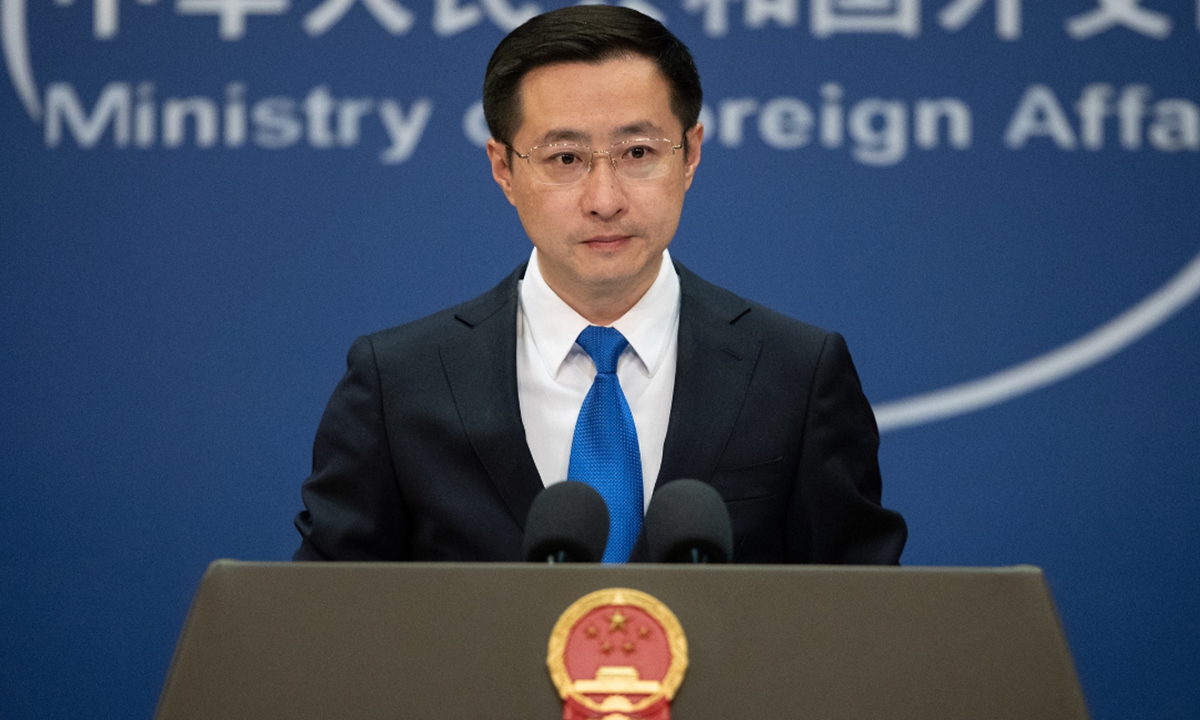
Photo: Chinese Foreign Ministry Spokesperson Lin Jian
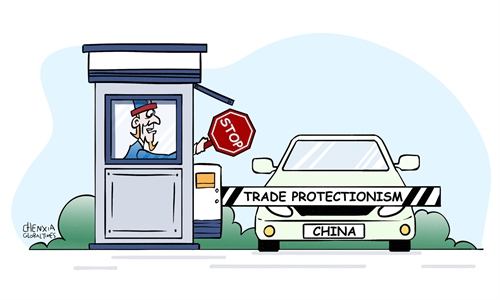
A Chinese Foreign Ministry spokesperson on Tuesday urged the EU to abandon the zero-sum mentality, steer clear of protectionist measures, and view China's development in a rational and objective light.
Spokesperson Lin Jian made the remarks in response to European Commission (EC) President Ursula von der Leyen's remarks on the newly signed EU-Australia free trade agreement — in which she claimed that EU and Australia's critical mineral partnership would be crucial and that both cannot be overdependent on any supplier, and she also spoke out against absorbing China's export-led growth model and industrial overcapacity.
International trade is in essence a two-way choice by the market that benefits both sides. The EU itself has always enjoyed a trade surplus. China's high-quality and innovative products enrich global supply, boost trade and drive industrial development, Lin said.
China never seeks trade surplus. In fact, exports of 40 percent of China-based European companies are sold to Europe and counted as China's surplus. But the profits of the sales go to European investors, Lin said.
China is ready to be not only a "world factory" but also a "world market". Committed to high-quality development and high-standard opening-up, China is actively implementing the strategy of expanding domestic demand, he said.
We are increasing imports of quality foreign products through such platforms as the China International Import Expo and the China International Fair for Trade in Services, unlocking consumption potential at a faster pace, and injecting fresh momentum into the world economy, the spokesperson said.
By seizing new opportunities presented by China's 15th Five-Year Plan blueprint, the two sides can work together to seek robust and balanced trade. It is hoped that the EU will work with China to keep the international trade environment open and inclusive, Lin said.
The EC president made the remarks in a speech to the Australian parliament, which was published on the website of the EC on Tuesday, in which she called for reducing reliance on imports from a single supplier and claimed that the EU "will not absorb China's export-led growth model, and its industrial overcapacity." She also said that every EU member state ran a trade deficit with China last year.
China-EU trade cooperation remains the foundation of bilateral relations, Cui Hongjian, a professor at the Academy of Regional and Global Governance at Beijing Foreign Studies University, told the Global Times on Tuesday, noting that the EC tends to exaggerate trade issues and disagreements, turning them into policy and regulatory measures—a now-established pattern.
The EU has signed bilateral agreements with multiple countries to diversify its markets and reduce reliance on China, but the results have been limited, according to Cui. Complex trade links among China, Europe, and Australia cannot be easily untangled, and the EC's measures carry more political than economic weight, making its goals related to China and its own economic security difficult to achieve, Cui noted.
Global Times
RELATED ARTICLES