Chinese short-drama platform Hongguo Short Drama targets improper AI generated content
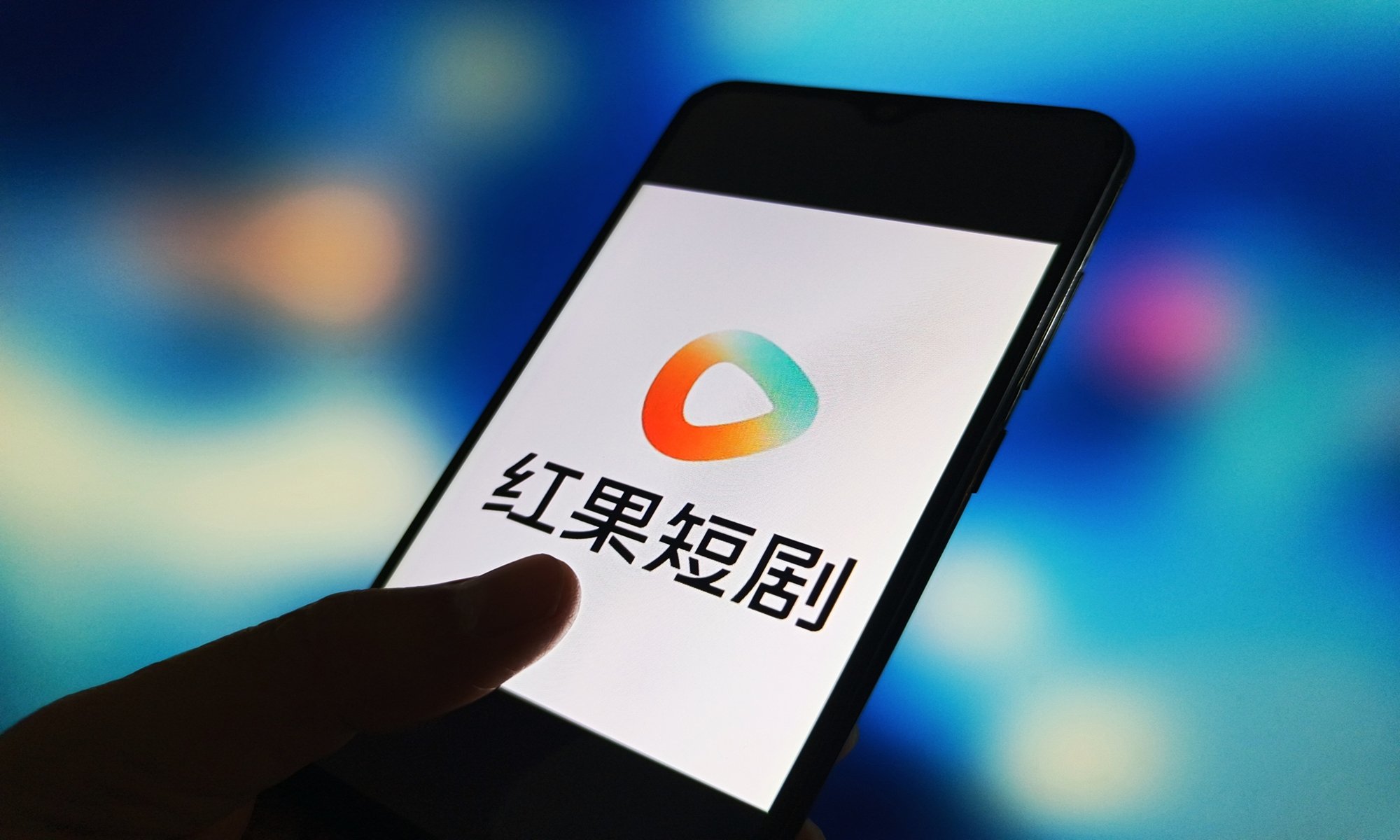
Hongguo Short Drama Photo: VCG
Hongguo Short Drama, a Chinese short-form drama platform under ByteDance said on Monday that it had dealt with 670 short dramas in accordance with platform rules after a targeted review found they misused artificial intelligence (AI)‑generated materials.According to an announcement on its official WeChat account on Monday, the platform said that the sweep was part of a wider inspection of 15,000 works. The latest move is part of a broad efforts. Hongguo Short Drama said that it had already taken down 1,718 manju (comic-inspired short dramas) titles that violated governance standards in the first quarter of 2026.
The company warned that "content compliance is a consistent requirement for producers" and said that it will continue to strengthen review and accountability mechanisms. Severe or repeat violators may face takedowns, account bans, termination of cooperation and legal action.
It publicly listed four typical types of violations uncovered in the latest sweep: unauthorized use of well‑known cartoon characters; improper use of AI‑generated brand images and trademarked logos (which prompted removal of two seasons of a series); near‑identical imitation of original game character designs; and AI‑generated content that used actors' likenesses without permission, according to the announcement.
The moves came after multiple netizens posted online about a number of AI-generated short dramas on a short-form video platform that allegedly misappropriated the likeness and voice of Chinese actor Yi Yangqianxi, also known as Jackson Yee, using AI synthesis technology without authorization. Hongguo Short Drama removed several implicated titles after the complaints, the National Business Daily reported on Monday.
Yee's studio released a statement on Sunday clarifying that the artist has neither participated in any such productions nor authorized any third party to use his likeness for AI synthesis. The studio stated that it had discovered that certain online platforms have been disseminating AI-generated dramas that were produced using unauthorized reproductions of Jackson Yee's likeness and other elements.
Industry observers said that the episode highlights systemic risks as generative AI lowers production costs and scales new kinds of short‑form drama. Liu Dingding, a Beijing‑based internet analyst, told the Global Times that generative video models such as ByteDance's Seedance 2.0 are accelerating the shift toward AI‑assisted short‑drama production, expanding genre possibilities while raising risks involving intellectual property, portrait rights and data use.
Hongguo Short Drama's announcement positions the platform's actions as part of a broader effort to normalize compliance in the AI era while urging creators and partners to adopt lawful use and authorization practices as AI tools reshape short‑form video production, said Liu.
Liu also emphasized adopting a multi-stakeholder governance model — where regulators set baselines, the industry drafts standards, platforms enforce rules and rights holders defend their rights — instead of imposing blanket bans on the technology.
Statistics from market data firm DataEye showed that AI human‑like short dramas rose from 7 percent to 38 percent of the top 100 manju list year‑on‑year in January. The firm projected that the AI short drama user base will grow from about 120 million in 2025 to 280 million in 2026, with a market value reaching roughly 24 billion yuan ($3.4 billion), the Securities Daily reported.
On April 2, the Actors Committee of the China Federation of Radio and Television Associations released a statement against such frequent infringements currently occurring — including AI face-swapping and synthesis, voice cloning and replication, arbitrary tampering or "wild" modification of film and television footage, and unauthorized capture of actor images and voices for AI model training, the Xinhua News Agency reported.
RELATED ARTICLES