China’s swimming authority condemns online abuse against athletes as Guangdong training center reports alleged cyberbullying of Chinese Olympic champion Quan Hongchan to police
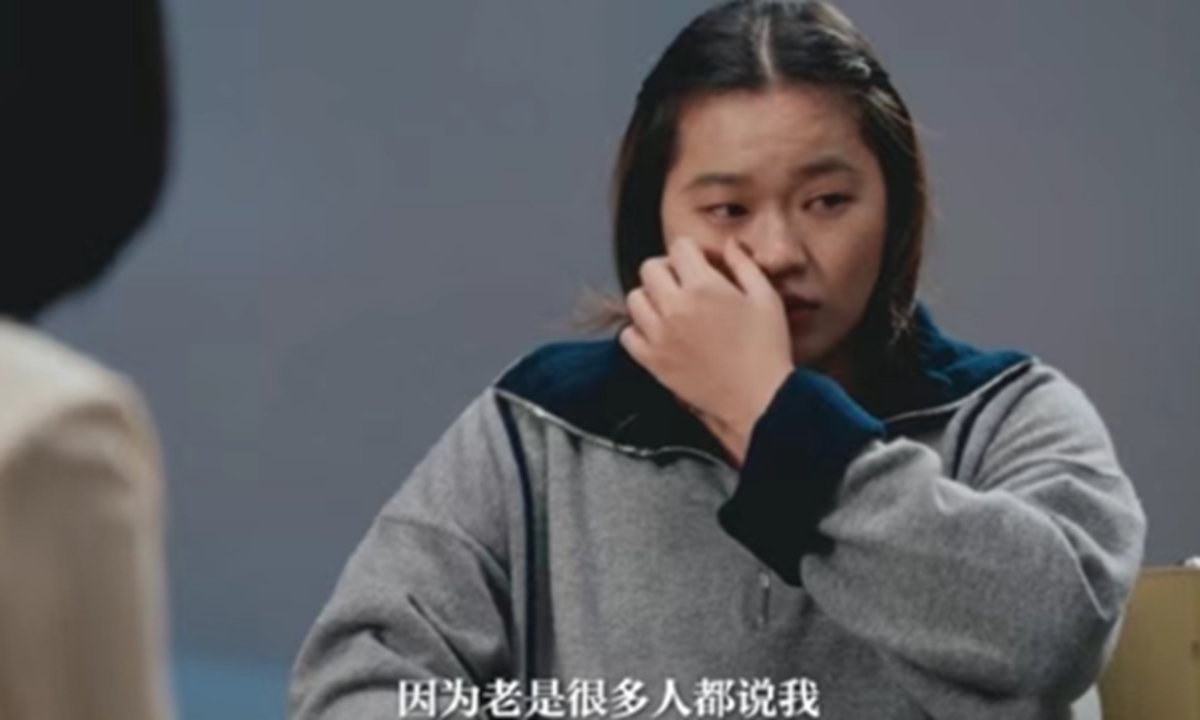
Quan Hongchan, Chinese Olympic diving champion, speaks about online controversial comments in an interview released on March 30, 2026. Photo: Screenshot from website
The swimming management center of General Administration of Sport of China on Wednesday issued a statement condemning online abuse targeting Olympic diving champion Quan Hongchan, vowing zero tolerance for cyberbullying and defamation that harm athletes' well-being and tarnish the national team's image, as relevant training center reported the case to the police, according to the information released on China Swimming Association's official website.
According to the statement, recent online attacks, malicious comments, and false information targeting Quan and other divers have drawn serious attention from the center. The center said it has coordinated with relevant departments under the Guangdong provincial sports bureau to investigate and address the situation. The Ersha sports training center in South China's Guangdong Province, where Quan trained, has reported the case to police, with authorities pledging full support for protecting athletes' legal rights through legal means.
The statement stressed efforts to firmly resist the erosion of distorted "fan culture," adding that any individuals involved will be dealt with seriously once verified, with no leniency.
Wang Dazhao, a Beijing-based sports commentator, blasted the extreme fan behavior and called for fans to keep fair distance with athlete's personal life.
"What truly drew attention during the match is the athletes' technical and tactical performance. However, the extreme behaviors of some fans have disrupted the healthy competition environment," Wang told the Global Times on Wednesday.
Authorities said they will further strengthen national team development and improve mechanisms to safeguard athletes' well-being, aiming to foster a healthy online environment and uphold the positive image of athletes, per the statement.
Earlier, the Ersha sports training center said on its WeChat account that it had reported cyberbullying, malicious attacks and misinformation against Quan to the police. "We will safeguard the legitimate rights and interests of athletes through legal means. Anyone involved, once verified, will be dealt with seriously and without leniency," the notice wrote.
The training center emphasized that athletes are a valuable national asset and representatives of sporting spirit. Any acts of malicious slander, verbal abuse, or spreading false information against athletes and their families have crossed legal and moral boundaries, said the notice, adding that the center opposes any form of online violence and personal attacks, and resolutely rejects the toxic excesses of fan-circle culture.
The notice also calls on sports enthusiasts to focus their attention on sport itself and on the spirit of perseverance it embodies, as respect and understanding are the cheers heard on the field and the tolerance shown at the time of the lowest point.
In a previous interview published by People magazine on March 30, Quan, who just turned 19, revealed that after the Paris Olympics she struggled with weight management and mounting public pressure, which took a toll on her mental and physical health and even led her to consider retirement.
"I hope those who attack me will stop," she said. "Please don't insult me, my family, or my friends, or they will all distance themselves from me."
Female divers inevitably go through stages of physical development. Encountering growth-related changes after reaching their peak can be especially difficult and painful for the athletes themselves. This is a natural part of human development and should not be met with online attacks or abusive comments, Luo Le, a sports scholar at the Beijing University of Chemical Technology, told the Global Times.
Luo said that fans' admiration and support for athletes can enhance the influence of athletes, however, should have boundaries.
When unhealthy fan culture takes root, it can disrupt this positive trajectory, resulting in social and economic losses for all parties involved. It undermines the spirit of sports and leaves even ordinary fans feeling disappointed, Luo noted.
RELATED ARTICLES