ARTS / FILM
Chinese cinema seeks global voice at BIFF gala
By and Liu Yating Published: Apr 23, 2026 09:51 PM
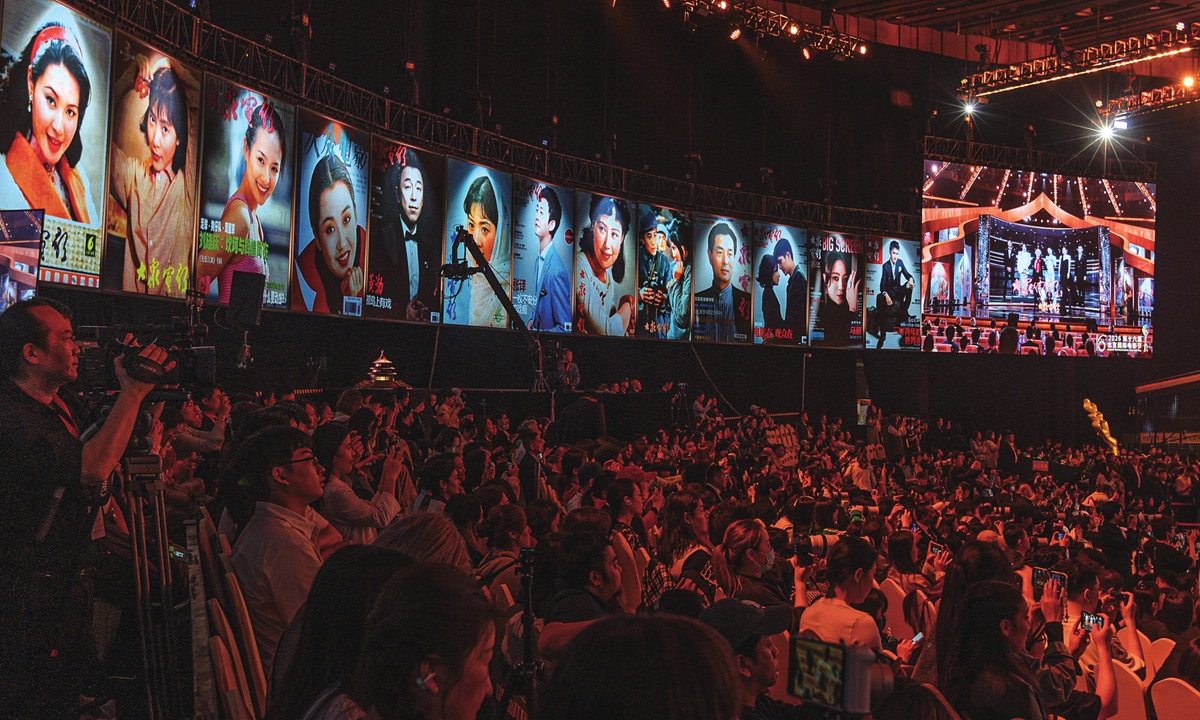
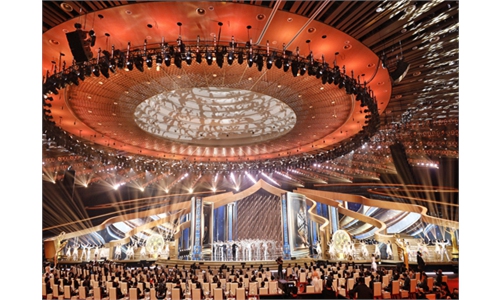
Audiences look on at the opening ceremony of the 16th Beijing International Film Festival (BIFF). Photo: Li Hao/GT
As the 16th Beijing International Film Festival (BIFF) unfolds in the Chinese capital, the air is thick with more than just the buzz of screenings. Besides the red-carpet glamour, filmmakers from both China and abroad gathered at the film feast to exchange ideas on how Chinese films can embrace global opportunities through overseas expansion and IP building.The answer, according to a diverse array of international filmmakers, distributors and festival programmers, lies in a delicate balance of universal storytelling, cultural authenticity and smarter market craft.
Universal language
As the president of the Tiantan Award jury for this BIFF, the Oscar-winning French actress Juliette Binoche emphasized the irreplaceable role of film in cultural communication during an exclusive interview with the Global Times.
"Storytelling is necessary. And in telling stories, we go through questioning ourselves, and being truthful," she said, noting that film is an excellent tool for mutual understanding and a vital bridge across cultural divides.
When evaluating Chinese cinema, Binoche refused to make generalizations, stressing that its charm lies in the unique perspectives and artistic expressions of different directors.
She explained that Chinese cinema belongs to specific directors, who have different views, artistic perceptions, wisdom and ways of expression. The vision of a film belongs to the creator itself.
She also revealed that Chinese artists and filmmakers have long been popular at many European film festivals, adding that she deeply admires her Chinese peers and looks forward to more in-depth exchanges.
The French star was equally forthright about artificial intelligence (AI), a subject of growing anxiety in the industry.
Binoche pointed out that AI lacks emotional warmth. It has data, but not the life force that humans possess. It is artificial, which cannot replace the multi-layered, infinite possibilities of the human soul.
Binoche was joined at a jury press conference by an international panel that includes Vietnamese-born French filmmaker Tran Anh Hung, Brazilian filmmaker Gabriel Mascaro and British composer Simon Franglen. Each offered their own take on what makes cinema a universal language.
Tran, who once won best director at Cannes, used a culinary metaphor: Film itself is "the main dish," while the faces, the voices, the cultural reactions, are "side dishes."
He argued that what draws him to Chinese cinema is not the language but the unique textures of performance and emotions that arise from specific cultural contexts.
Tran pointed out that the industry needs to see less standardized emotions since too many films manufacture the same feelings, but what audiences want is something deep and meaningful.
Mascaro, whose work often explores social change in Brazil, pointed to shared experiences between his country and China.
He noted that the power of Chinese cinema lies in how it records and reflects that transition, adding that it is the commonality of human experience that allows people between China and Brazil to understand each other.
For British film composer Simon Franglen, whose credits include Avatar and Titanic, music is the film's "heartbeat."
He told the Global Times during the press conference that during creation, he pays attention to the music and emotional narrative of a film because he believes that in a movie, music is also a very core component, which will greatly influence our feelings and thoughts while watching a film.
He added whether in China or anywhere else, the goal is the same: to make audiences feel a film more intensely.
Reaching beyond home shores
If the jury focused on art, another forum at the festival reacted to the topic of Chinese films' global acceptance. The guests, from film festivals in Rotterdam, Cairo and Berlin, shared their frontline observations.
Kristina Aschenbrennerova, a committee member from the International Film Festival Rotterdam, noted the Netherlands has a large Chinese-speaking community that supports Chinese film screenings.
She said comedies, action films and big-budget works are the most popular among international audiences, while subtle storytelling nuances, rather than topics, sometimes challenge Western viewers. She aims to balance Chinese cultural characteristics with international accessibility.
Rasha Hosny, a programmer for the Asia-Pacific films section of the Cairo International Film Festival, highlighted the growing Egyptian curiosity about Chinese cinema, citing shared cultural and social similarities, especially for art-house films. Egyptian audiences are eager to learn about China's landscapes, dialects and daily life, she added.
Nikolaj Nikitin from the Tallinn Black Nights Film Festival emphasized that complex historical or political themes can be made understandable with good storytelling, while overly subtle interpersonal interactions are real cultural barriers. He stressed quality films will always resonate with global audiences.
Talking about Chinese films going global, IP building has emerged as a key to Chinese films' overseas success. Industry insiders at BIFF agreed that well-crafted IPs can transcend cultural barriers.
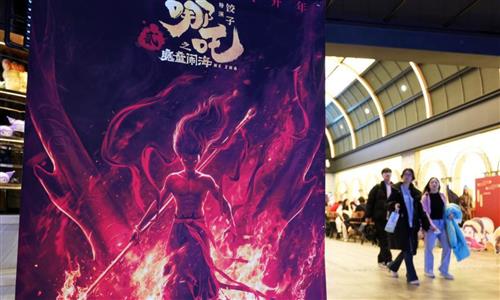
For example, classic Chinese IPs like the novel Journey to the West and the mythological character Ne Zha have laid a foundation for overseas promotion, while new IPs are being developed to cater to global audiences.
Insiders also pointed out that narrative style, rather than cultural differences, is the key to overseas acceptance. Chinese films need to balance cultural characteristics with international expression to resonate with global viewers.
As Binoche put it, the diversity of Chinese directors' styles nourishes world cinema. With continuous efforts in cultural exchanges, IP innovation and overseas promotion, Chinese cinema is well-positioned to seize global opportunities, tell Chinese stories to the world and build a stronger bridge between different cultures through the universal language of film.
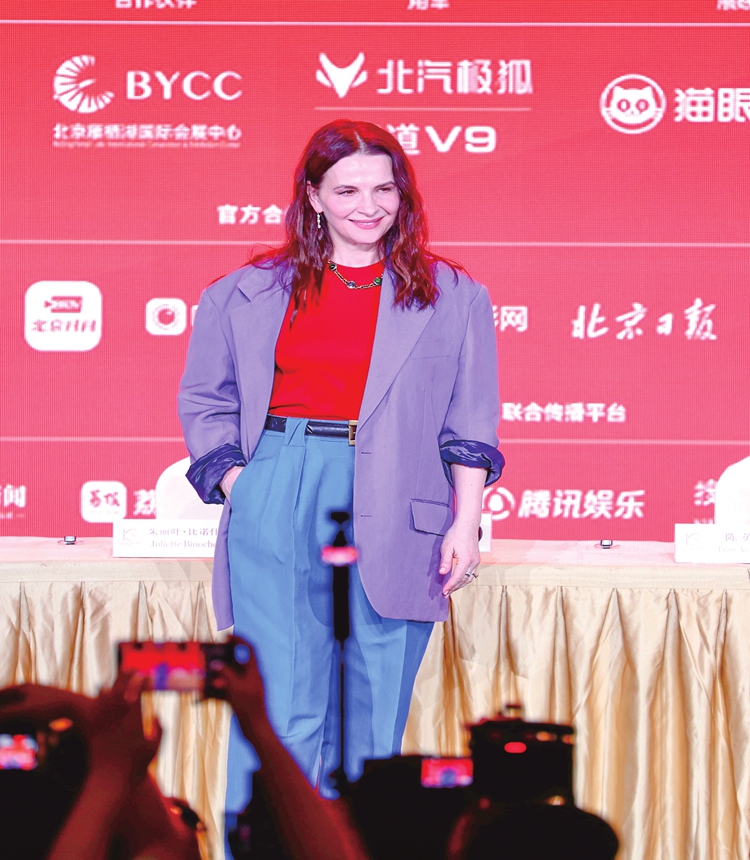
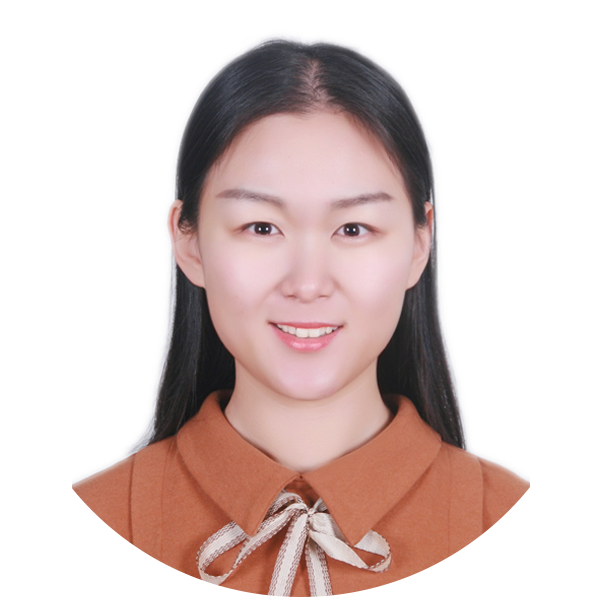
French actress Juliette Binoche Photo: IC
RELATED ARTICLES