Cherishing the sincere public sentiment behind China-US giant panda cooperation: Global Times editorial
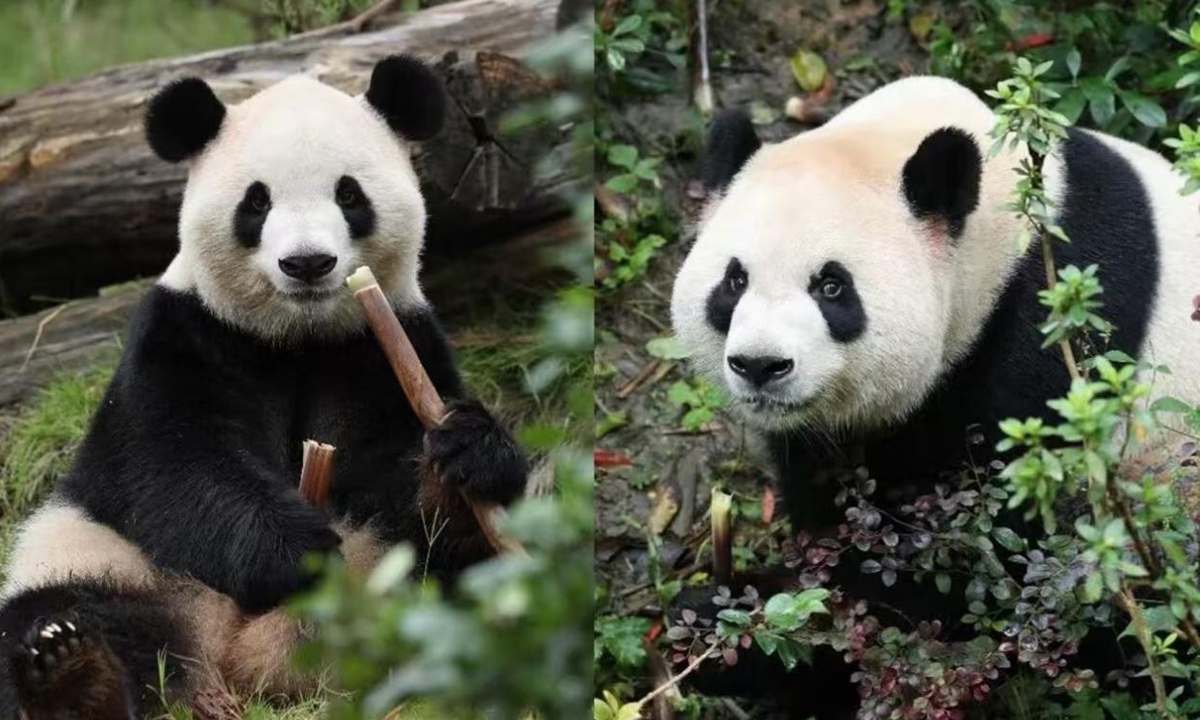
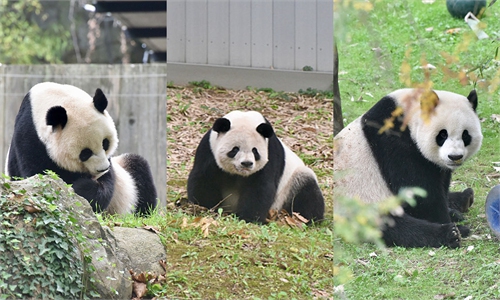
Giant panda Fu Shuang (left) and Ping Ping Photos: The China Wildlife Conservation Association
On Friday, China announced the launch of a new round of cooperative research on giant panda conservation with Zoo Atlanta in the US, with Ping Ping and Fu Shuang from the Chengdu Research Base of Giant Panda Breeding in China set to travel to the US. As soon as the news was released, it garnered widespread attention and a warm welcome from the public in both China and the US. CBS News reported that this marks a new chapter in a decades-long international conservation partnership. Zoo Atlanta stated that it is "delighted and honored to yet again be trusted as stewards of this treasured species," adding that the zoo looks forward to welcoming the pandas and reintroducing them to the Atlanta community.Giant panda conservation cooperation is one of the most iconic areas of people-to-people friendship between China and the US, and Zoo Atlanta has long been a pioneer in this field. The Lun Lun panda family previously housed there was a local "social media sensation." Yet, despite this, Zoo Atlanta has been without pandas on display for a year and a half. This demonstrates how severely negative factors have impacted China-US friendly cooperation. In 2024, the cooperation agreement between the two sides expired, and Lun Lun and her family returned to China, sparking widespread local concern that people would never see giant pandas again. US citizens even lined up in long queues to bid farewell to the pandas.
Therefore, the news that Ping Ping and Fu Shuang are about to travel to the US was immediately met with widespread enthusiasm in US society, particularly on social media platforms. US netizens have expressed their joy and expectation, with many comments stating, "They're finally back," while others said, "Welcome Ping Ping and Fu Shuang - we hope they have babies." Whether it's a "departure" or a "return," it shows that despite the ups and downs in China-US relations in recent years, the US public's affection for giant pandas has never waned, nor has their hope for panda cooperation between the two countries. This affection and expectation mirror that of the Chinese people, underscoring that the common ground between China and the US far outweighs their differences.
Cooperation on giant panda conservation is just one example. In recent years, although US public discourse has been filled with negative rhetoric regarding relations with China, examples of friendly people-to-people exchanges abound.
For instance, China's "50,000 in 5 Years" Initiative, which seeks to invite 50,000 young Americans to China on exchange and study programs over five years, has yielded positive results, and the US film Zootopia 2 set a box office record in China. Recently, a series of events marking the 55th anniversary of "Ping-Pong Diplomacy," featuring reunions of veteran table tennis players from both countries, has heightened public expectation for people-to-people exchanges between China and the US. Furthermore, the viral trend of "Chinamaxxing" on US social media platforms, young people on the streets of New York sipping Chinese bubble tea, and the growing number of people joining the new generation of grassroots "panda huggers" all serve as vivid illustrations of the fact that "friendship among people boosts relations between two countries."
Objectively speaking, China-US relations still face many challenges. Differences and frictions exist, and some US politicians continue to hold onto a zero-sum logic and Cold War mentality in viewing China-US relations, creating disruptions in areas such as technology, trade, and people-to-people exchanges. This is not in the long-term interests of either country and runs counter to the shared aspirations of their peoples. A Chicago Council on Global Affairs poll shows that 53 percent of Americans now say the US should undertake friendly cooperation and engagement with China, while the latest Pew Research Center survey indicates that the share of Americans holding a positive opinion of China has nearly doubled since 2023. Washington should acknowledge and respond to this mainstream public opinion.
China and the US should be partners and friends - this is what history has taught us and what reality needs. Over the decades, cooperation on giant panda conservation has endured challenges with remarkable resilience and delivered fruitful results, contributing significantly to global biodiversity protection while bringing warmth and joy to countless American families. This once again demonstrates that when China and the US work together, they can accomplish success in launching major initiatives that benefit all. It is our sincere hope that, with the "bridge-building" role of two giant pandas, people-to-people exchanges will grow more frequent and the friendship between the two peoples will deepen.
China and the US share extensive common interests and a broad space for cooperation. China and the US remain important economic and trade partners to each other. Their vast markets are highly mutually attractive, and demand for cooperation in technology and investment remains strong. This provides a solid foundation for boosting economic growth, creating more jobs, and achieving mutual success. In areas such as AI governance and the development and use of energy, the two sides engage in positive, mutually beneficial competition. They also bear special responsibilities in addressing global challenges, including public health crises, transnational crime, and climate change.
People-to-people friendship has always been the deepest foundation and most enduring driving force of China-US relations. The giant pandas Ping Ping and Fu Shuang are about to begin a new chapter of life in the US amid goodwill and high expectations, sending a positive signal.
At a time when the international landscape is complex and evolving, the trajectory of China-US relations draws global attention. Hopefully Washington will meet China halfway, uphold mutual respect, maintain the baseline of peaceful coexistence, and strive for win-win cooperation. This serves not only the common interests of both peoples, but also the shared expectations of the international community.
RELATED ARTICLES