US reportedly preparing for extended blockade of Iran; Tehran says it is in ‘war situation’
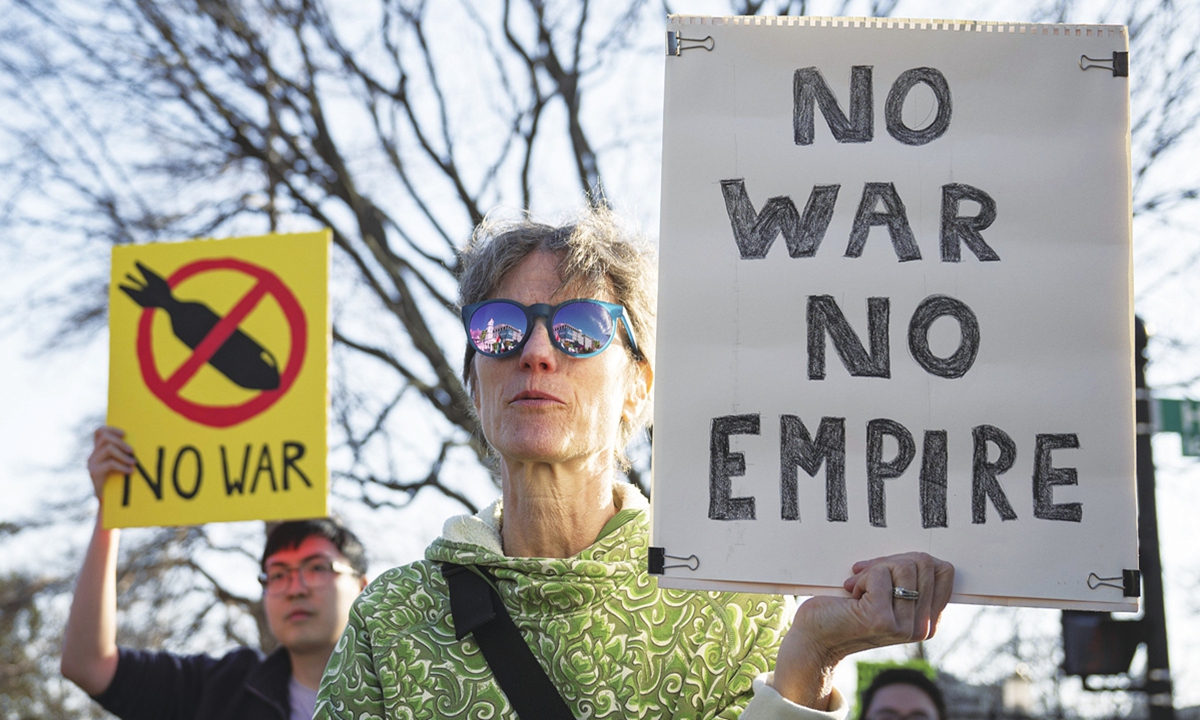
Protesters gather outside the White House in Washington, D.C. to demonstrate against US and Israeli attacks on Iran on March 7, 2026. Photo: VCG
Amid the continued standoff as peace negotiations between the US and Iran remain stalled, Washington is reportedly preparing for an extended blockade, while Iran said that the country is still in a "war situation."According to the Wall Street Journal, US President Donald Trump has instructed aides to prepare for an extended blockade of Iran, targeting the country's coffers in a high-risk bid to compel a nuclear capitulation Tehran has long refused.
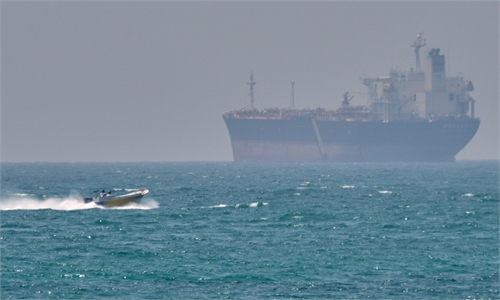
In recent meetings, the US president has opted to continue squeezing Iran's economy and oil exports by preventing shipping to and from its ports, per the report. He assessed that his other options - resume bombing or walk away from the conflict - carried more risk than maintaining the blockade, officials said, as reported by the Wall Street Journal.
In Iran, Mojtaba Ferdosipour, head of Iran's Interests Section in Egypt, said that Washington's attempt to force Iran into accepting its unilateral demands through a maritime blockade is futile, noting that Iran can bypass the blockade by leveraging its land borders with neighboring countries. Ferdosipour also reiterated that Iran has the right to safeguard the security of the Strait of Hormuz, the Xinhua News Agency reported on Wednesday, citing the Islamic Republic News Agency.
Iran's military, meanwhile, said the country is still in a "war situation" and that any new action by the enemy "will be faced with new tools, methods, and arenas," Al Jazeera reported, citing Iran's IRGC-affiliated Fars news agency.
"The US and Iran are now in a state of stalemate, as both sides appear to be waiting for the other to take the first step to compromise," Sun Degang, director of the Center for Middle Eastern Studies at Fudan University, told the Global Times on Wednesday.
The US has imposed blockades to keep up pressure on Iran, seemingly hoping such moves might bring about unforeseen shifts in Tehran's stance, Sun said, but Iran has shown considerable resilience and adopted a relatively firm posture in response.
The latest stalemate emerged after the White House confirmed on Monday that the US president and his national security team have discussed a new proposal by Iran to end the war. According to Al Jazeera, neither side has revealed details of the proposal, but media reports suggest it involves reopening the Strait of Hormuz in exchange for an end to the war, with talks on Tehran's nuclear program to be held at a later date.
However, a US official briefed on Trump's meeting with his advisers said the president was "unhappy" with Iran's proposal, as Washington wants the nuclear issue addressed from the outset, according to Reuters.
Despite the latest proposal for negotiations, little meaningful headway has been made between the US and Iran on the diplomatic front, Sun said, noting that this is probably because the two sides hold very different positions on core issues, with both seemingly holding back and waiting for the other to make the first move.
"As a result, Washington and Tehran are caught in an ambiguous stalemate, seemingly with no clear momentum toward reconciliation. Substantial progress toward meaningful peace talks still remains rather uncertain," the expert said.
RELATED ARTICLES