ARTS / CULTURE & LEISURE
Chinese home cooking reinterpreted through modern health concepts
Looking to tradition for health
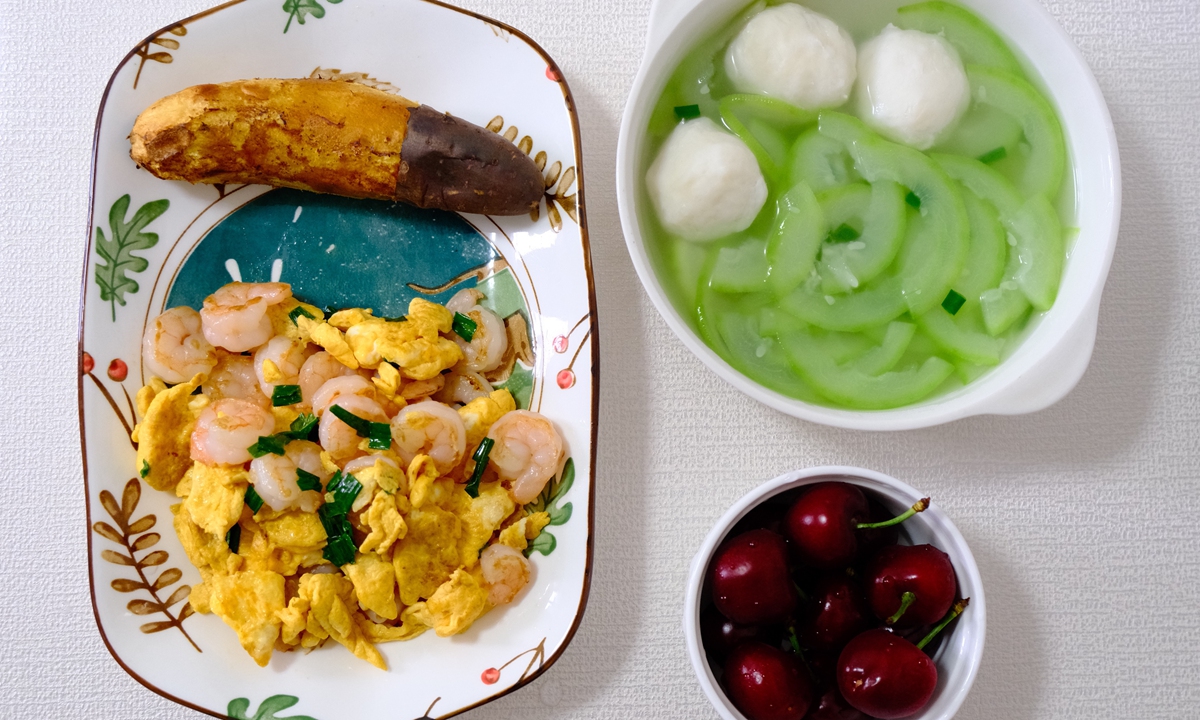
Light-cooked dishes Photo: VCG
Rice is replaced with double portions of mashed potatoes. Steamed potatoes and eggplant are mashed together into a soft filling, then mixed with chopped scallions, peanuts and a lighter version of traditional northeastern egg sauce before being wrapped in crisp lettuce leaves.In just a few steps, a modified rice wrap from Northeast China, or fanbao is complete.
For 23-year-old Wang Tong, this homemade meal has become part of her weekly routine. Since the beginning of the year, the Beijing resident has been preparing a "diet-friendly northeastern rice wrap" almost every week.
Beyond flavor, the diet's practicality and ease of preparation are key for her.
"It's very easy for someone who isn't good at cooking," she told the Global Times.
"It's healthy, tasty and it really fits my needs for weight control." Compared with the salads she used to eat when trying to lose weight, this better aligns with her eating habits and can help her avoid the fatigue she experienced with repetitive low-calorie salads.
Like Wang, many young consumers in China are incorporating these reworked home-style dishes into their dietary routines.
A growing number of regionally rooted meals are being reinterpreted online as part of a broader "Chinese-style weight-loss diet" trend, ranging from northeastern rice wraps to Guizhou-style vegetable dishes served with dipping sauces.
At its core, the trend does not introduce entirely new foods, but rather reconfigures familiar regional cuisines into lighter, more calorie-conscious versions.
During the interview with the Global Times, Bu Xiting, an associate researcher with the School of Cultural Industries Management at the Communication University of China, noted that, compared with Western-style light meals, such as simple salads, the "Chinese-style weight-loss diet" is not only more nutritious and diverse in ingredients, but can also support weight loss.
"It is also more aligned with traditional Chinese dietary habits, which reflects a broader redefinition of what 'healthy eating' means among younger generations," remarked Bu.
He added that the trend is closely linked to the rise of practical wellness habits among younger consumers.
Regional eating reset
Le Xi, 21, based in Southwest China's Sichuan Province, had long known about northeastern rice wraps and often considered ordering them, but avoided them because the standard version contains rice and she is currently focused on weight loss.
As someone who enjoys experimenting with food and runs a food-related social media account, she decided to try a modified version instead.
Le's homemade version includes potatoes, eggs, sausage, eggplant and scallions. From a weight-loss perspective, she told the Global Times, its main advantage over salads is that it feels more everyday, more familiar, and better aligned with her taste preferences.
Compared with Western-style salads and meal replacement shakes, often jokingly referred to as "white people food," more young people are now opting for hot, flavorful meals, that offer a greater sense of satiety.
Rather than adopting an entirely new dietary system, they are selectively choosing within existing Chinese food traditions to better suit weight management needs.
People on weight-loss diets are discovering suitable options across regional Chinese cuisines. For example, in Southwest China's Guizhou Province, the typical local dish consisting in boiled vegetables paired with chili-based dipping sauces is gaining attention for the strong flavor profile combined with a relatively low oil content.
In other regions in China, similar reinterpretations of home cooking, such as simple boiling, cold dishes and lightly stir-fried meals, are being grouped under the umbrella of "Chinese-style weight-loss diet" on social media.
The trend has also been amplified by short-video platforms and lifestyle influencers showcasing easy home recipes.
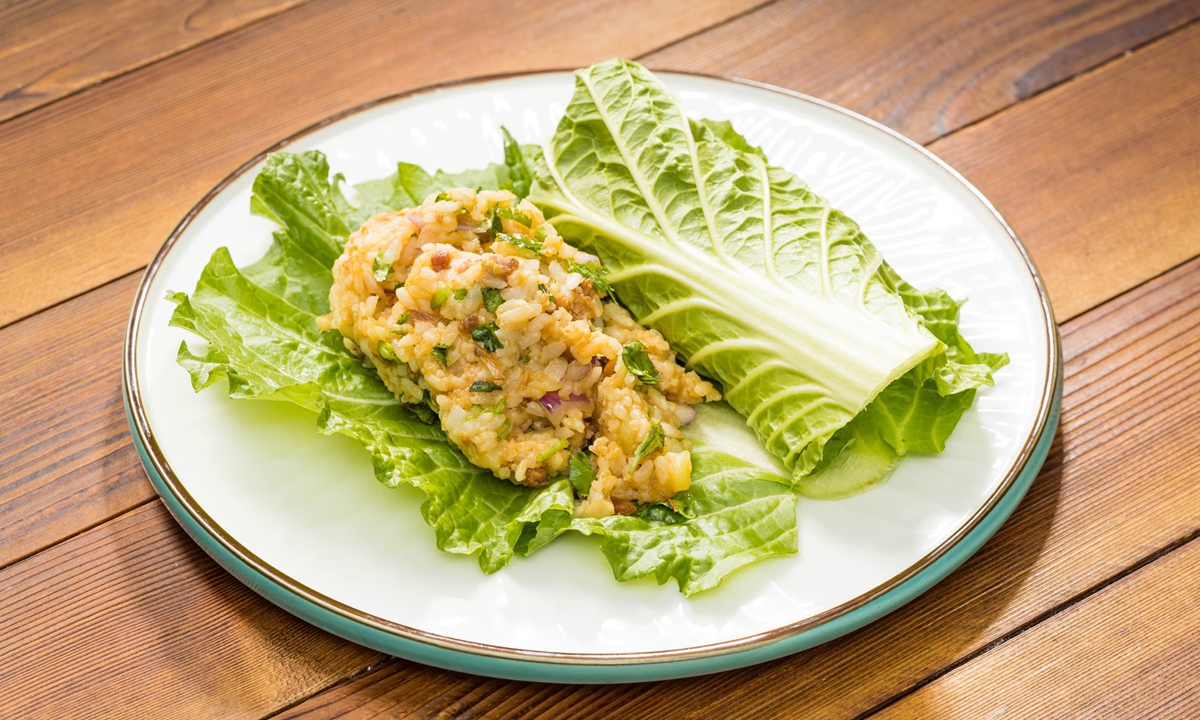
A typical fanbao from Northeast China Photo: VCG
Longstanding wisdomBeyond rice wraps, other traditional eating patterns are also being reinterpreted through a similar lens.
Unlike cold salads, which some consumers find difficult to sustain over time, warm and familiar dishes are perceived as more comforting and culturally compatible with everyday diets.
Meanwhile, they are also often seen as easier to sustain than rigid, highly standardized light meals.
Instead of focusing solely on low-calorie intake, many are now prioritizing sustainability, psychological satisfaction and long-term adherence.
Traditional dishes are highly adaptable: By adjusting seasoning intensity and replacing certain ingredients, familiar home-style meals can be reconfigured into healthier everyday options.
Traditional Chinese cuisine has long included naturally balanced, nutrient-rich and relatively light eating patterns that align with modern weight-management goals.
Cooking methods such as steaming, boiling and quick stir-frying with minimal oil help preserve natural flavor while limiting excess fat, said Zhu Yi, an associate professor at China Agricultural University in Beijing.
She noted that many of these methods were originally developed for everyday household cooking long before modern nutrition concepts emerged.
Traditional Chinese home cooking already contains many naturally balanced, lower-calorie approaches, including steamed dishes, lightly stir-fried vegetables and clear soups that emphasize freshness and portion balance.
These techniques have long reflected a culinary tradition that values both taste and moderation.
Dishes like clear vegetable soups, steamed fish, blanched greens and cold mixed vegetables emphasize freshness, texture and portion balance rather than heavy seasoning.
Soy-based condiments and fermented sauces are often used in moderation to enhance flavor without relying on high-calorie dressings.
"These practices reflect a longstanding culinary wisdom that values harmony, moderation and sustainability in daily eating," Zhu told the Global Times.
The popularity of such dishes reflects more than a passing internet trend, Bu noted, saying it also points to how traditional food culture continues to evolve alongside modern lifestyles, as growing attention to health and a more science-informed approach to nutrition reshape everyday eating habits.
RELATED ARTICLES