Chinese firms make their way to the top not on subsidies: FM on OECD’s claims about industrial policies
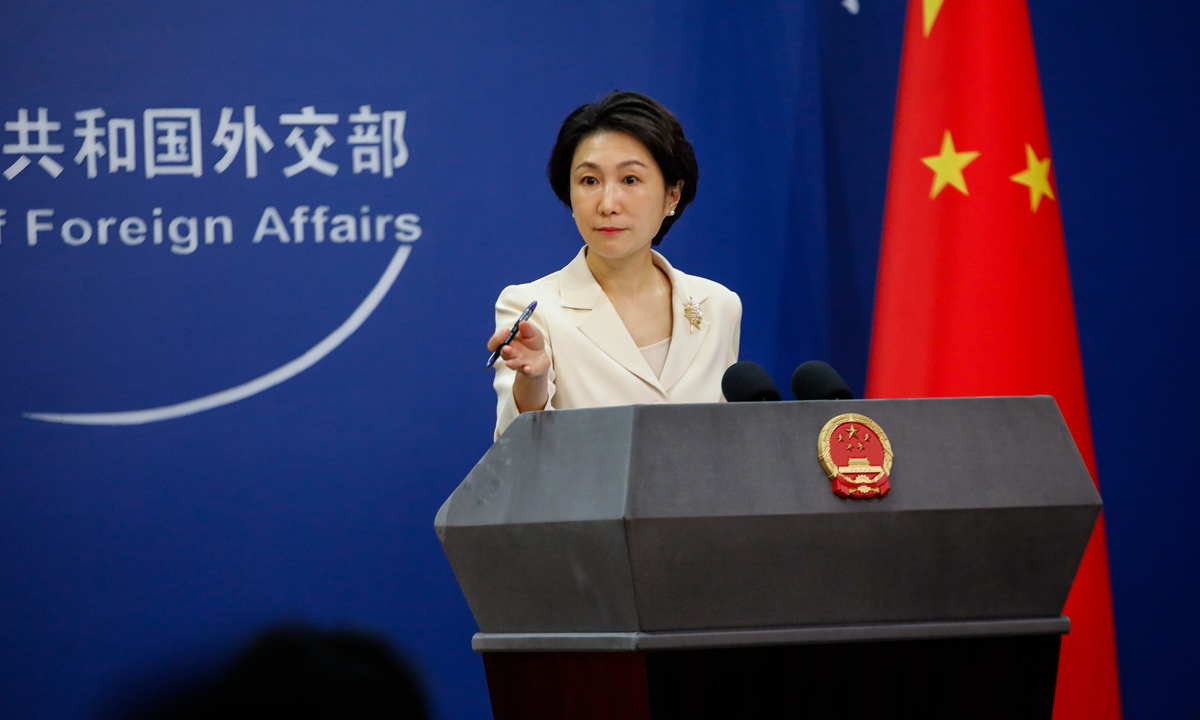
Chinese foreign ministry spokesperson Mao Ning
Chinese Foreign Ministry spokesperson Mao Ning on Wednesday refuted a report from the Organisation for Economic Co-operation and Development (OECD) for its distorted claims on China's industrial policies, stating that Chinese firms make their way to the top not on subsidies.
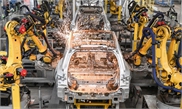
Mao was asked to comment on the OECD report, which claimed that across 15 key industries including car manufacturing, shipbuilding and solar power, nearly 60 percent of the global market share gains by Chinese firms since 2005 can be linked to subsidies they received. The report finds that global subsidies amounted to $108 billion in 2024, 52 percent of which came from China.
Mao said that Chinese firms make their way to the top not on subsidies, but through market competition, tireless innovation, global presence and the advantage of China's mega-sized market.
China's industrial subsidy policy is based on openness, fairness, and compliance, and strictly within WTO rules. Industrial subsidies are commonly used worldwide. What matters is whether they comply with WTO rules. We hope the international organization will play a constructive role rather than the other way around, Mao noted.
The OECD report falls into a politically biased narrative, simply attributing China's sound industrial system and comprehensive policy support solely to government subsidies and hastily concluding that China's industry advantages disrupt global markets, Cui Hongjian, a professor at the Academy of Regional and Global Governance at Beijing Foreign Studies University, told the Global Times on Wednesday.
Such a stance ignores the global supply and demand imbalances stemming from Western economies' trade protectionist measures and represents a typical case of politicizing economic issues, Cui said.
Global Times
RELATED ARTICLES