China improves reporting system for strategic mineral export control violations
Improved reporting system to strengthen overall effectiveness: expert
Ministry of Commerce
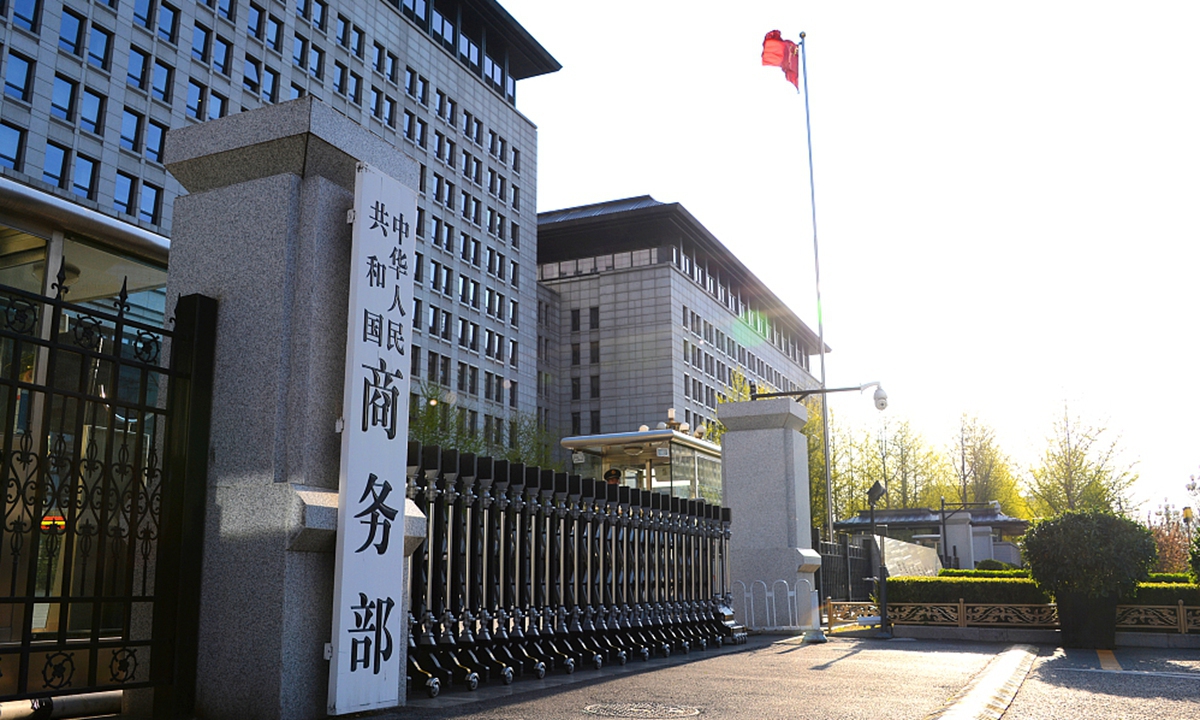
China's Ministry of Commerce (MOFCOM) on Wednesday announced measures to further improve the handling of reports on violations of export controls on dual-use strategic minerals, in an effort to crack down on illegal and irregular actions.
Effective July 1, any organization or individual can report on suspected violations, including unauthorized exports, circumvention via third countries, illegal technology transfers, and providing services to exporters engaged in illegal activities, according to a notice on the MOFCOM's official website.
Reports can be submitted through an online platform on the MOFCOM's industrial security and import-export control bureau's website or via a telephone hotline. While anonymous reports are accepted, verified and substantiated tips from named sources may qualify for rewards. All reporting channels and personal information will be kept confidential.
Exporters who discover their own potential violations are encouraged to voluntarily report these to the MOFCOM, with self-disclosure considered a mitigating factor in penalty decisions.
This move, taken under China's Export Control Law and Foreign Trade Law, "aims to fully leverage public oversight and combat illegal and irregular activities regarding export controls on dual-use strategic minerals," the MOFCOM said in the notice.
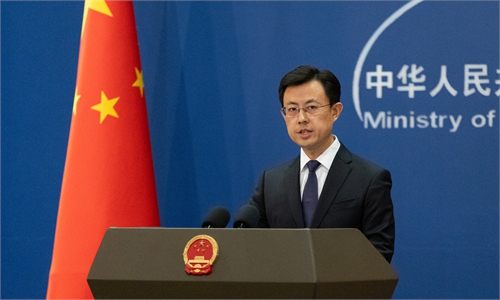
A MOFCOM spokesperson said on Wednesday that improving the handling of reports regarding dual-use strategic minerals and enhancing law enforcement capabilities are fundamental requirements for perfecting the export control system and normal measures to safeguard national security and interests.
Leveraging the supervisory role of reports in addressing illegal and irregular activities is an internationally accepted practice, and learning from international experience to improve China's reporting system for export controls on dual-use strategic minerals can effectively prevent these items from being used for illegal purposes, better maintain world peace, and demonstrate China's responsibility as a major power, the spokesperson noted.
The move came amid a broader push to optimize export controls, with the MOFCOM recently adding 10 US entities, including two rare-earth mining firms, to its export control list. In April, China also banned exports of dual-use items to seven EU entities involved in arms sales to or collusion with Taiwan island.
The latest policy upgrade in the reporting mechanism for strategic minerals export control violations points to a more comprehensive, full-chain regulatory system, aimed at closing potential loopholes in enforcement and strengthening overall effectiveness, Li Yong, an executive council member of the China Society for WTO Studies, told the Global Times on Wednesday.
Li noted that if regulatory links are incomplete, enforcement risks becoming ineffective in practice. The move toward full-chain oversight therefore helps ensure "penetrating supervision," improving the ability to identify, trace and penalize violations in a more systematic way. It also enhances screening of complex transactions driven by capital flows and vested interests, the expert said.
"The key change is the move toward a more integrated and traceable system of oversight across the entire chain," Li said, adding that this is essential for preventing regulatory gaps that could be exploited.
At the same time, Li stressed that the policy should not be interpreted as a blanket export ban. Rather, it establishes a clear rules-based framework for dual-use items. "Legitimate and compliant trade that falls outside the controlled scope will still be permitted in accordance with the law," he said.
From a broader institutional perspective, China's management of dual-use goods takes into account not only industrial and supply chain security, but also its international non-proliferation obligations. Li said that this dual consideration forms an important basis for the design of the current regulatory framework.
At a regular press briefing on Wednesday, when asked whether the detention of two Japanese male employees at a major Japanese electronics company in Dalian, Northeast China's Liaoning Province, in late May was related to China's tightening export controls on rare earth-related items, Guo Jiakun, a spokesperson for the Chinese Foreign Ministry, confirmed that two Japanese nationals have been detained by relevant Chinese authorities for violating Chinese law, and China has informed Japan of the details of these cases.
"I would like to emphasize that Japan should educate and remind its citizens and businesses in China to abide by Chinese laws and regulations," Guo said.
RELATED ARTICLES