ARTS / CULTURE & LEISURE
New finds push sea salt history in China to 4,800 years ago
Four ancient key strategic resource sites unveiled
By Published: Jun 25, 2026 10:14 PM

Four major archaeological discoveries have filled critical gaps in the understanding of ancient salt production in China, revealing how this essential strategic resource was extracted and processed from the late Neolithic period to the Ming and Qing dynasties (1368-1911), officials from the National Cultural Heritage Administration (NCHA) announced on Thursday.
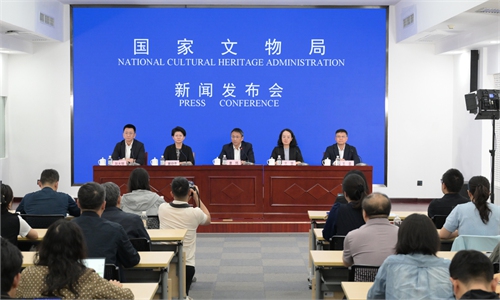
Unveiled at a press conference hosted by the NCHA under the national "Archaeological China" program, the new findings cover coastal sea salt production sites in the provinces of Zhejiang, Jiangsu and Shandong, as well as an inland well salt site in the Chongqing Municipality.
Zhu Xuefei, a deputy research fellow from the Zhejiang Provincial Institute of Cultural Relics and Archaeology, said at the conference that the Zhoushan Islands salt-making site cluster in eastern Zhejiang is home to the remains of China's earliest and largest-scale sea salt production, dating back to 4,500 to 4,800 years ago. The discovery pushes back the recorded history of coastal salt-making in China by centuries and proves that salt resources, a critical strategic staple, fueled the prosperity of the ancient Liangzhu civilization. Zhu noted the discovery provides critical evidence that salt, a daily necessity for any population, helped fuel Liangzhu's emergence.
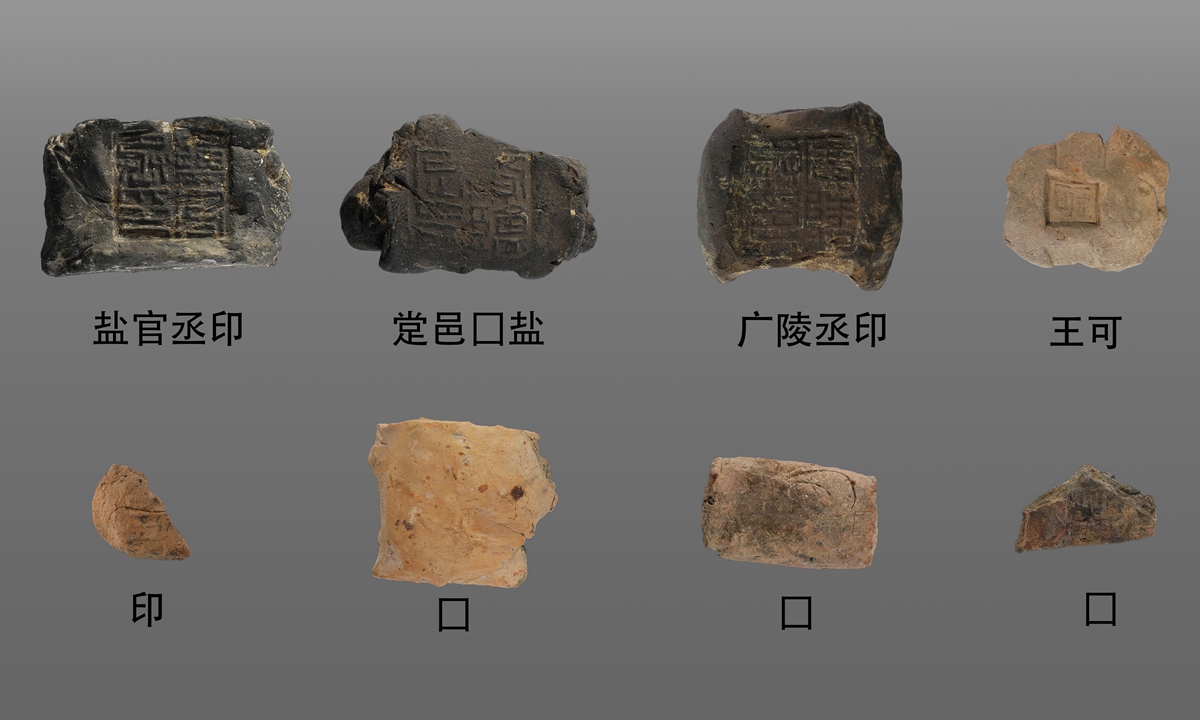
According to research fellow Zhou Runken from the Jiangsu Provincial Institute of Cultural Relics and Archaeology, in eastern Jiangsu Province, excavation of coastal ruins has uncovered the first complete of salt production operations chain dating to the Han Dynasty (206BC-AD220). At the Shajingtou site in Yancheng city, clay seals stamped with characters reading "Salt Official's Seal" and pottery inscribed with "official" and "warehouse" verified the location of the Han-period Yandu county salt administration.
Lin Liugen, a professor at the School of Art and Archaeology of Zhejiang University, said these salt discoveries reveal both the continuity and regional diversity of salt production systems across China's 5,000-year civilization. Through scientific archaeological methods, researchers have identified distinct salt-making models at sites in Jiangsu and Zhejiang, forming a complete developmental sequence from the Longshan Culture period through the Tang (618-907) and Song (960-1279) dynasties. He added that the protection and in-depth research of these salt relics are crucial for interpreting the core characteristics and developmental logic of Chinese civilization.
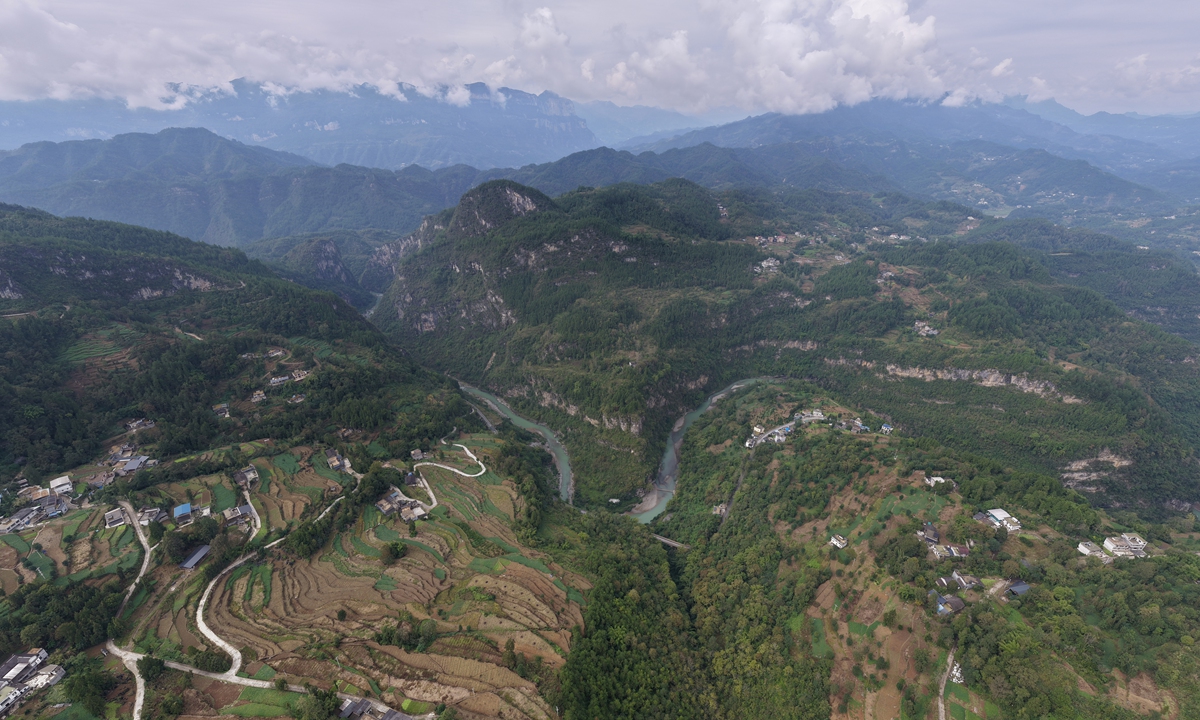
At the Zhongbao site in Chongqing's Pengshui county, a more than 10-meter-thick cultural deposit documents continuous well-salt production spanning over 2,000 years. Archaeologists uncovered a Warring States Period (475BC-221BC) dragon kiln, the earliest physical evidence of its kind for brine-salt boiling, and through residue analysis confirmed the area was an independent salt-making center that helped shape early salt trade networks. Niu Yingbin, a deputy fellow from the Chongqing Institute of Cultural Relics and Archaeology, said the well-preserved site, showing every step from brine transport channels to boiling, provides unparalleled physical evidence compared with previous text-based research.
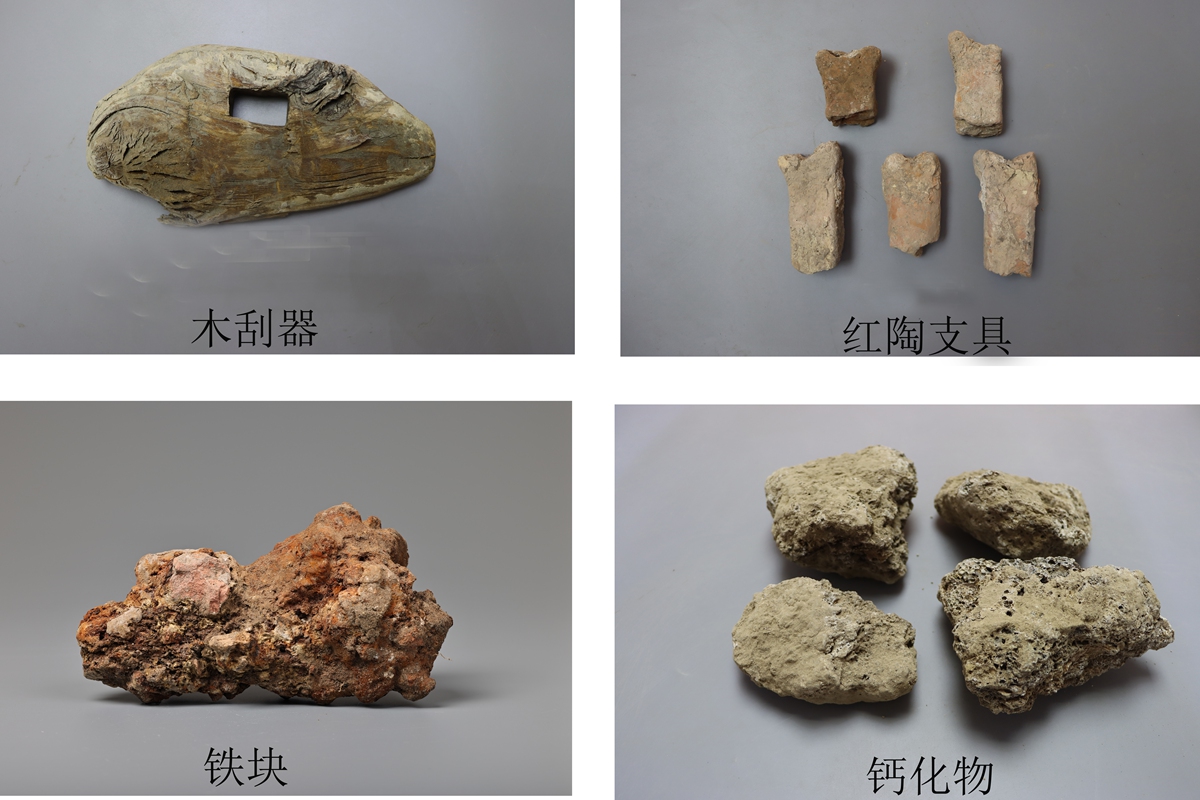
On the southern coast of the Bohai Sea in Shandong Province, excavations at the Pojiazhuang site have uncovered over 60 brine wells from the Northern and Southern Dynasties (386-589) and complete workshops containing wells, stoves, ditches and mud pits from the Jin-Yuan period (1115-1368). The discovery, supported by experimental archaeology and soil chloride testing, fills a long-standing gap in understanding sea-salt production in these eras and establishes a continuous "brine-extraction and salt-boiling" tradition spanning more than two millennia, said Gao Mingkui, a research fellow from the Shandong Underwater Archaeology Research Center.
"These four projects are truly eye-opening… Salt has always been a crucial strategic resource, but knowledge of its ancient use and mining was long derived only from historical texts until salt archaeology formally began in the 1990s," Chen Xingcan, director of the Institute of Archaeology at the Chinese Academy of Social Sciences, told the Global Times on Thursday.
Chen added that some historians have proposed that the legendary battle between the Yellow Emperor and tribal leader Chiyou may have been triggered by a fight over salt resources, underscoring just how vital salt was for ancient populations.
Chen said these sites mark just the beginning. "We used to look at early salt sites abroad, but now we have our own excellent starting points. I believe more discoveries will follow."
Wang Qing, a professor from the School of Archaeology, Shandong University, put forward targeted suggestions for future academic research and cultural heritage protection. He emphasized the necessity of strengthening interdisciplinary cooperation, conducting extensive stratified sampling and laboratory testing to further restore the long-obscured transportation and consumption links of ancient salt products.
Unveiled at a press conference hosted by the NCHA under the national "Archaeological China" program, the new findings cover coastal sea salt production sites in the provinces of Zhejiang, Jiangsu and Shandong, as well as an inland well salt site in the Chongqing Municipality.
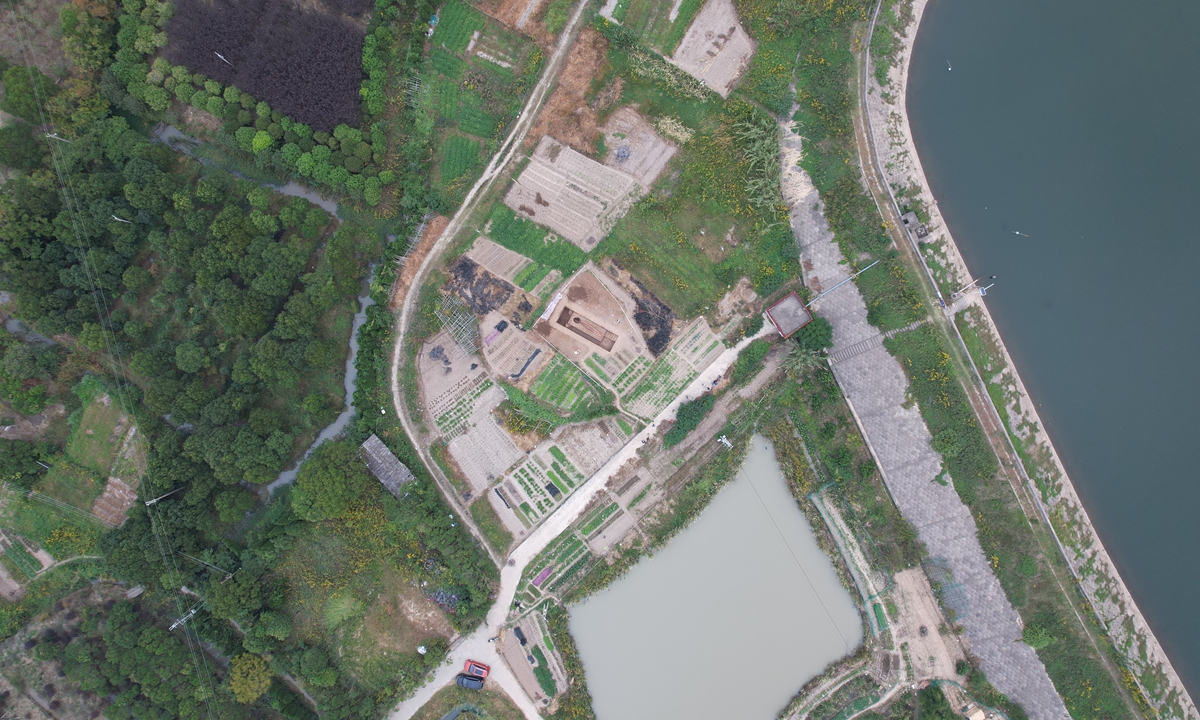
Yaojiawan site, one of the Zhoushan Islands salt-making site clusters in East China's Zhejiang Province Photo: Courtesy of the National Cultural Heritage Administration
Zhu Xuefei, a deputy research fellow from the Zhejiang Provincial Institute of Cultural Relics and Archaeology, said at the conference that the Zhoushan Islands salt-making site cluster in eastern Zhejiang is home to the remains of China's earliest and largest-scale sea salt production, dating back to 4,500 to 4,800 years ago. The discovery pushes back the recorded history of coastal salt-making in China by centuries and proves that salt resources, a critical strategic staple, fueled the prosperity of the ancient Liangzhu civilization. Zhu noted the discovery provides critical evidence that salt, a daily necessity for any population, helped fuel Liangzhu's emergence.
Clay seals and other relics used by salt officials during the Han Dynasty unearthed from the Shajingtou site in Yancheng city, East China's Jiangsu Province Photo: Courtesy of the National Cultural Heritage Administration
According to research fellow Zhou Runken from the Jiangsu Provincial Institute of Cultural Relics and Archaeology, in eastern Jiangsu Province, excavation of coastal ruins has uncovered the first complete of salt production operations chain dating to the Han Dynasty (206BC-AD220). At the Shajingtou site in Yancheng city, clay seals stamped with characters reading "Salt Official's Seal" and pottery inscribed with "official" and "warehouse" verified the location of the Han-period Yandu county salt administration.
Lin Liugen, a professor at the School of Art and Archaeology of Zhejiang University, said these salt discoveries reveal both the continuity and regional diversity of salt production systems across China's 5,000-year civilization. Through scientific archaeological methods, researchers have identified distinct salt-making models at sites in Jiangsu and Zhejiang, forming a complete developmental sequence from the Longshan Culture period through the Tang (618-907) and Song (960-1279) dynasties. He added that the protection and in-depth research of these salt relics are crucial for interpreting the core characteristics and developmental logic of Chinese civilization.
The Zhongbao site in Chongqing's Pengshui county Photo: Courtesy of the National Cultural Heritage Administration
At the Zhongbao site in Chongqing's Pengshui county, a more than 10-meter-thick cultural deposit documents continuous well-salt production spanning over 2,000 years. Archaeologists uncovered a Warring States Period (475BC-221BC) dragon kiln, the earliest physical evidence of its kind for brine-salt boiling, and through residue analysis confirmed the area was an independent salt-making center that helped shape early salt trade networks. Niu Yingbin, a deputy fellow from the Chongqing Institute of Cultural Relics and Archaeology, said the well-preserved site, showing every step from brine transport channels to boiling, provides unparalleled physical evidence compared with previous text-based research.
Salt-making tools and waste remains unearthed from salt-production sites along the southern coast of Shandong's Bohai Bay Photo: Courtesy of the National Cultural Heritage Administration
On the southern coast of the Bohai Sea in Shandong Province, excavations at the Pojiazhuang site have uncovered over 60 brine wells from the Northern and Southern Dynasties (386-589) and complete workshops containing wells, stoves, ditches and mud pits from the Jin-Yuan period (1115-1368). The discovery, supported by experimental archaeology and soil chloride testing, fills a long-standing gap in understanding sea-salt production in these eras and establishes a continuous "brine-extraction and salt-boiling" tradition spanning more than two millennia, said Gao Mingkui, a research fellow from the Shandong Underwater Archaeology Research Center.
"These four projects are truly eye-opening… Salt has always been a crucial strategic resource, but knowledge of its ancient use and mining was long derived only from historical texts until salt archaeology formally began in the 1990s," Chen Xingcan, director of the Institute of Archaeology at the Chinese Academy of Social Sciences, told the Global Times on Thursday.
Chen added that some historians have proposed that the legendary battle between the Yellow Emperor and tribal leader Chiyou may have been triggered by a fight over salt resources, underscoring just how vital salt was for ancient populations.
Chen said these sites mark just the beginning. "We used to look at early salt sites abroad, but now we have our own excellent starting points. I believe more discoveries will follow."
Wang Qing, a professor from the School of Archaeology, Shandong University, put forward targeted suggestions for future academic research and cultural heritage protection. He emphasized the necessity of strengthening interdisciplinary cooperation, conducting extensive stratified sampling and laboratory testing to further restore the long-obscured transportation and consumption links of ancient salt products.
RELATED ARTICLES