ARTS / CULTURE & LEISURE
New exhibitions herald start of museum summer season
Venues attract youth with immersive experiences
By Published: Jun 30, 2026 11:21 PM

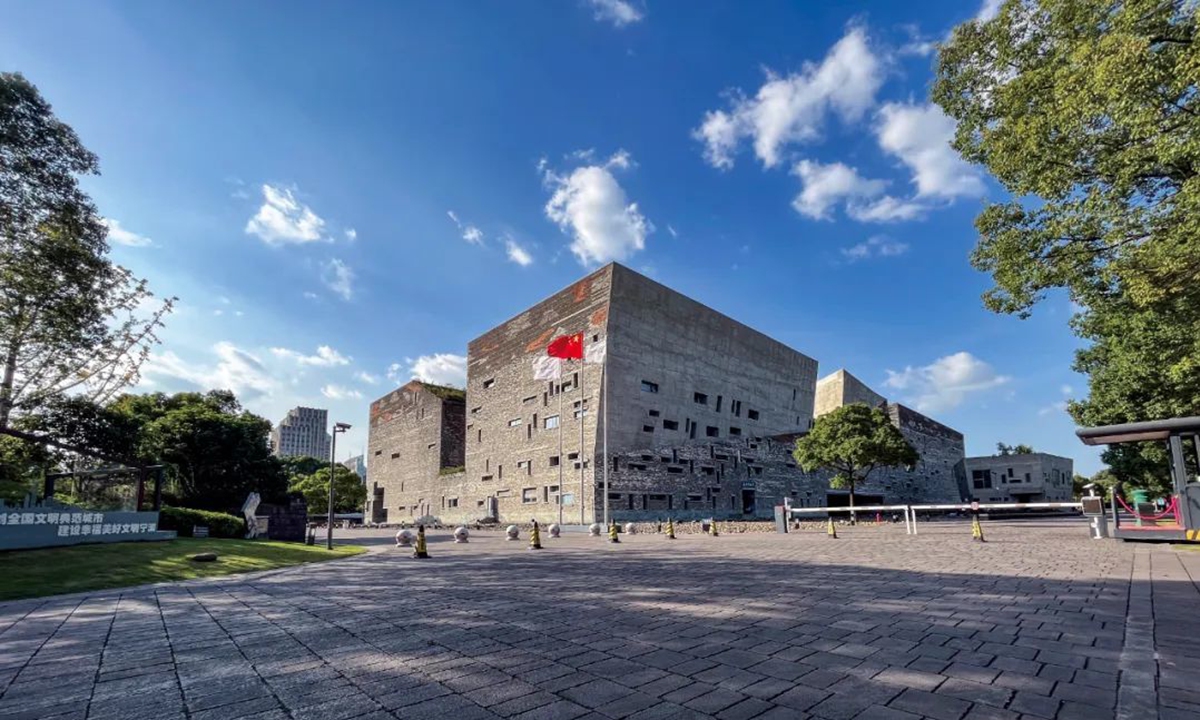
Ningbo Museum Photo: VCG
As summer vacation approaches, museums and cultural venues across China are launching new exhibitions and creative activities.Two major exhibitions opened on Tuesday. One is a Dunhuang-themed exhibition jointly organized by the Hunan Museum and the Dunhuang Academy.
The exhibition goes beyond the usual presentation style for Dunhuang culture by focusing on three major highlights: the rarity of national treasure-level artifacts, the uniqueness of famous artists' reproductions, and the originality of cave manuscripts from the Library Cave.
More than 200 sets of precious items are on display, including full-scale cave replicas, mural reproductions, painted sculptures, and rare unearthed relics and ancient documents from Dunhuang, according to the Changsha Evening News.
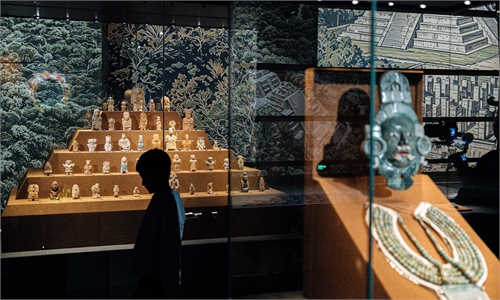
On the same day, the Ningbo Museum in East China's Zhejiang Province reopened after a period of renovation and introduced a new exhibition featuring nearly 250 pieces of fine Han Dynasty (206BC-AD220) bamboo and wooden slips unearthed in Northwest China's Gansu Province.
These bamboo and wooden slips, dating back nearly 2,000 years, are original records of military, administrative, economic, and trade activities along the Silk Road during the Han Dynasty.
They are known as the "living archives" of that period, offering visitors a window into the daily life and cultural connections of the dynasty, according to official statements from the museum.
The Chengdu Natural History Museum in Southwest China's Sichuan Province will kick off a new exhibition on July 18 that features Cretaceous dinosaur fossils discovered in Henan Province.
The museum will display at least 55 different types of dinosaur fossils, models, and related items. The purpose of this exhibition is to guide visitors as they explore the impact of Earth's geological changes on the development of life, museum staff told the Global Times on Tuesday.
In addition to themed exhibitions, museums nationwide are moving beyond static displays by offering innovative educational experiences tailored to the needs of young people over the summer.
The Beijing Ancient Architecture Museum will start a summer education series on July 11, launching regular study programs and an AI creativity camp.
Young participants will be guided through hands-on activities to learn about the structure of traditional buildings and appreciate classical construction aesthetics, gaining a deeper understanding of the cultural heritage behind these monuments, according to the Beijing Daily.
Xiong Bingqi, director of the 21st Century Education Research Institute, told the Global Times that as "museum fever" continues to rise, museums have become important destinations for primary and secondary school students during summer and other school holidays.
On one hand, museums are places for leisure during the holidays; on the other, they are also where students can immerse themselves, learn about history and technology among others.
"When young people visit museums with a learning plan, take part in art and science activities, and make good use of their vacation time, their lives become more fulfilling and students gain a boost in their overall competence," Xiong said.
To improve the summer visiting experience and solve issues like daytime crowding and working adults being unable to visit during regular hours, many museums and cultural venues have adjusted their operations and fully switched to "extended summer hours."
Quite a few venues have postponed their closing times, some have temporarily cancelled regular off-days, and several have greatly extended daytime visiting hours. Night tours at museums have also grown rapidly, with many places now offering nighttime visits and even overnight stay programs.
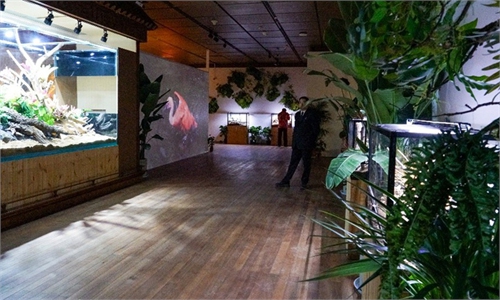
The Chengdu Natural History Museum is continuing its popular immersive overnight experience this year, transforming its permanent exhibition halls on all three floors into zones themed around the age of dinosaurs, the diversity of life.
By transforming museum into 24-hour destinations, institutions can better accommodate surging summer crowds, spreading out attendance and offering a richer, more varied use of their space, Zhang Peng, a cultural researcher and associate professor at Nanjing Normal University, told the Global Times.
RELATED ARTICLES