ARTS / CULTURE & LEISURE
Pet-friendly cities need responsible pet owners who respect rights of all citizens
By Published: Jul 12, 2026 10:08 PM
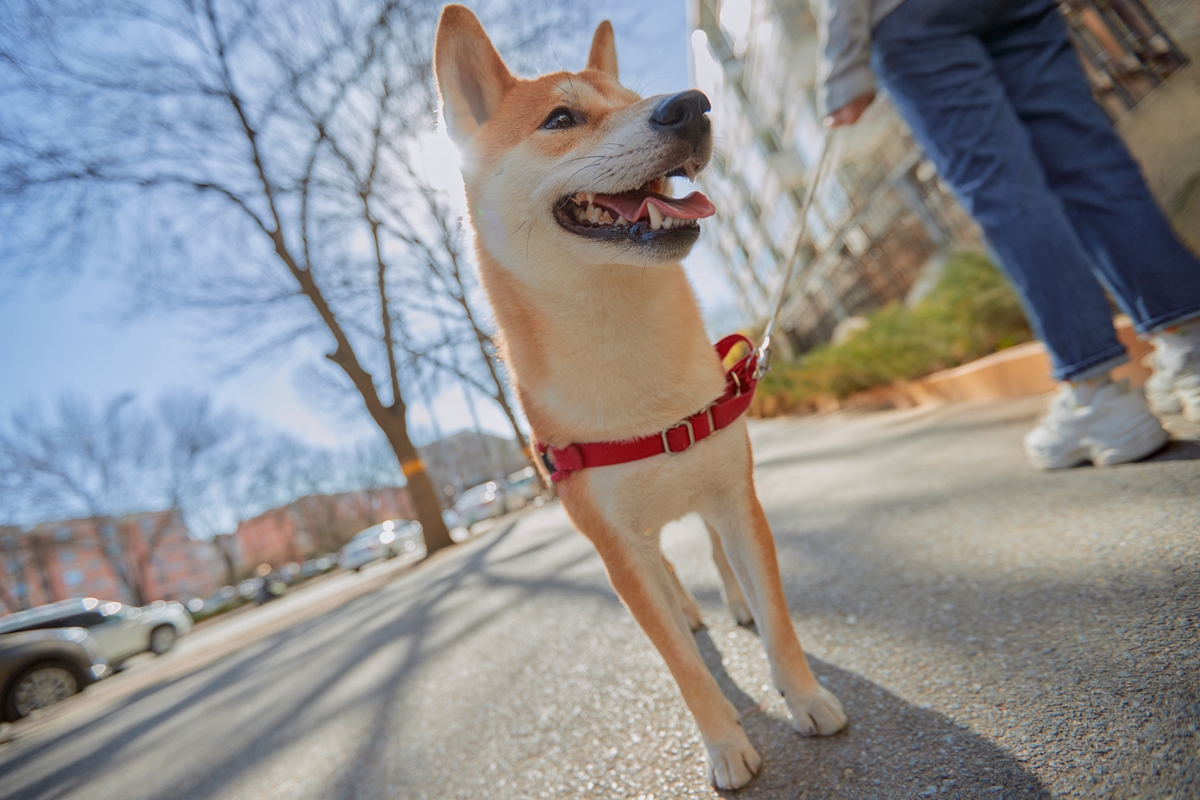
Photo: VCG
A series of incidents in cities like Chengdu in Southwest China's Sichuan Province and Shenzhen in South China's Guangdong Province, in which pet dogs were seen drinking from public water fountains meant for people, have sparked a heated debate over the boundaries of pet-friendly urban life. The key issue boils down to this: How can cities remain welcoming for pets, while still protecting shared resources?Local authorities moved fast - disinfecting facilities, upgrading equipment, posting new warning signs, and stepping up patrols to remove hygiene risks, according to reports from media outlets like The Paper. But the underlying debate goes far deeper than just water fountains: cases including pet owners using non-disposable dishware in restaurants for their animals and allowing their pets to sit in the driver's seat when using the automatic parking function are raising questions about the sustainability of pet-friendly urban culture itself.
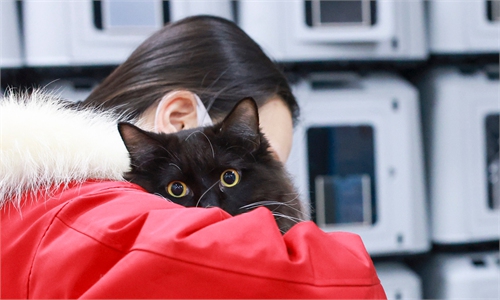
In December 2025, a video of a pet dog jumping onto a dining table and eating at a restaurant in Beijing went viral online. Li Lele, a cat owner born in the 1990s living in Henan Province, told the Global Times that she considers herself a devoted pet lover, but she still thinks that there must be boundaries when caring for pets. For example, she said allowing pets to eat at the table with people or drink from public water fountains meant for people is unacceptable.
Li explained that even though her cat generally lives in a clean indoor environment, it still carries bacteria on its body and in its mouth. Dogs, which need to go outside, face an even higher risk of bringing in bacteria from the environment.
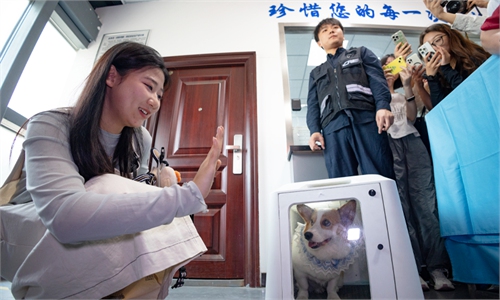
Wan Fang, who lives in Beijing and owns a border collie, told the Global Times that she has noticed that some public places such as shopping malls and restaurants, which used to be marked as pet-friendly, have recently removed those signs. Wan said she feels these changes are linked to the recent string of pet-related controversies across the country. "Pet owners who behave inappropriately are making it costly for these venues and public spaces," Wan said. "In the long run, it is a lose-lose situation, because rule-abiding pet owners may also see their pet-friendly spaces disappear."
Today, pet ownership is increasingly about emotional support. Many pets are now considered family members and serve as important emotional anchors. And society is making changes to adapt to such needs, Ma Jianwen, a registered counselor with the China Association for Mental Health, told the Global Times.
As pet ownership grows, pet-friendly public spaces are also increasing across China in recent years. This growth is a testament to how urban management has become warmer and more inclusive. However, this comfortable environment relies on a steadily built foundation of social trust; it is precious, but also fragile.
That trust is now being tested. A small minority's disregard for public rules - allowing pets to use human water fountains, leaving messes in public, or ignoring leash laws - risks undermining this hard-won community spirit. These behaviors increase friction between pet owners and non-owners, fueling stereotypes and inevitably leading to tighter rules and shrinking spaces for all.
Responsible pet stewardship begins with an understanding that supporting pets and respecting public order are not mutually exclusive.
When stepping into a public space, every pet owner must show respect for communal rules and the rights of all citizens. Caring for animals is about more than love, and always keeping the public interest in mind can prevent friction and ensure that the freedoms enjoyed today do not vanish tomorrow.
At the same time, cities should design solutions that embrace both needs. For example, some parks in Shenzhen that have installed dedicated pet water stations - separate from those used by humans - have been warmly welcomed by both pet owners and the public. Through zoning and designated facilities, cities can create room for both pets and people to enjoy shared spaces harmoniously and with minimal conflict.
The author is a reporter with the Global Times. life@globaltimes.com.cn
RELATED ARTICLES