ARTS / CULTURE & LEISURE
Stephen Chow’s nostalgia and cultural metaphors fuel ‘Kung Fu Soccer’ at box office
By Published: Jul 14, 2026 08:42 PM

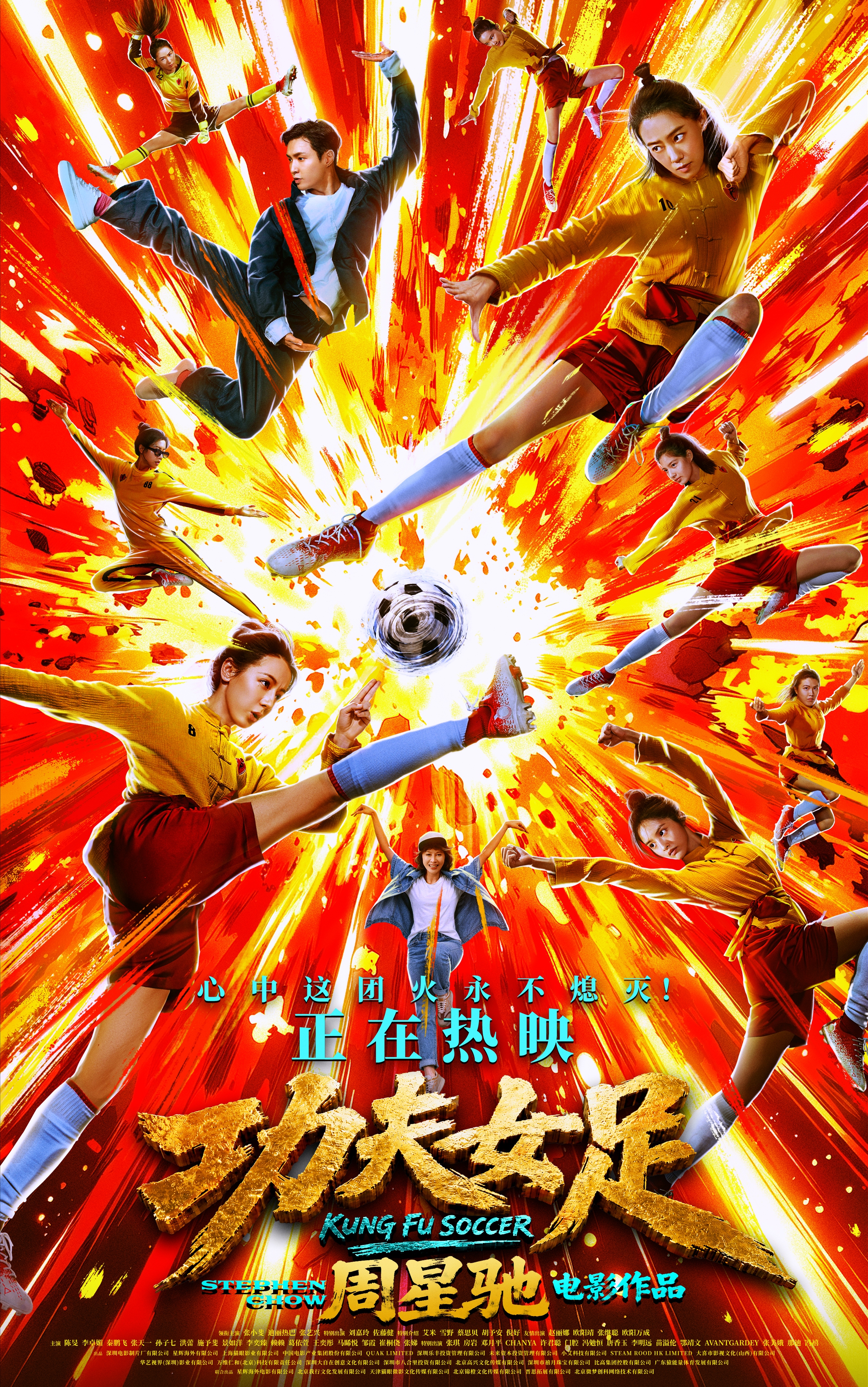
Kung Fu Soccer
Stephen Chow Sing-chi's highly anticipated sports comedy Kung Fu Soccer has delivered one of this summer's most puzzling cinematic phenomena: stellar box-office success paired with deeply divided critical feedback.
A spiritual follow-up to his 2001 classic Shaolin Soccer, the film grossed over 700 million yuan ($103 million) in its first three days, according to Chinese ticketing platform Maoyan. This is despite over 120,000 users on Chinese film review site Douban giving it only a 6.6/10 score, criticizing its thin storyline, outdated comedy routines and stiff performances.
Experts said this extreme split between market success and critical evaluation reveals the collision of generational nostalgia, modern viewing habits and layered cultural expression.
Fueling its unprecedented market frenzy is the film's explosive social media influence and massive fan-driven secondary creation. Since its release, iconic scenes, signature stunts and the film's viral martial arts dance routine have sparked a nationwide imitation craze across Chinese social platforms.
Netizens are reproducing classic shots from both Shaolin Soccer and Kung Fu Soccer, imitating the films' stylized soccer moves, exaggerated physical comedy and catchy, quirky choreography. Short-video clips, dance covers and creative scene remakes continuously top trending charts, generating billions of views and forming a self-sustaining online viral cycle that significantly amplifies the film's public exposure and box-office stamina.
The film's remarkable commercial performance is primarily fueled by Chow's long-standing influence and viral online discussions. As a symbolic figure of Hong Kong cinema's golden age, Chow has accumulated cross-generational fans who were born in the 1970s to the 1990s, who voluntarily support his new works out of youthful memories of classic Hong Kong nonsensical comedies. Released amid World Cup buzz, the film turned widespread controversy into continuous public attention, forming a typical "viral but polarizing" box-office effect.
Film critic Wang Zizhi told the Global Times on Tuesday that the massive ordinary audience base constitutes the core driving force behind the film's strong market performance, as mainstream viewers firmly recognize Chow's unique comedic style.
Wang further emphasized that the biggest regret for loyal audiences lies in Chow's absence on screen. Despite the cast's efforts, their performances can only imitate rather than replicate Chow's irreplaceable personal comedic charm, creating an unresolvable sense of loss for long-time fans.
Though starring an A-list cast, including Zhang Xiaofei, Dilraba Dilmurat and Zhang Yixing, some netizens have not favored their performances, commenting that "the reason why Stephen Chow's films are famous is that the lead actor is Stephen Chow."
Such expectations precisely lead to the film's polarized word-of-mouth, a point systematically analyzed by another film critic Shi Wenxue. He argued the split essentially represents a confrontation between sentiment-oriented consumption and the evaluation of professional quality.
"The film adopts a collective screenwriting model and fragmented, fast-paced narrative, a deliberate adaptation tailored to short-video-era audience preferences," Shi said. "However, this market-driven creation sacrifices traditional narrative density and complete character growth arcs, making the film feel more like a skit collection than a cohesive feature film."
Offsetting its narrative flaws, the film's rich cultural metaphors have become its most impressive highlight, triggering extensive nationwide interpretation.
Centered on the international competitions of the Emei women's football team, it integrates traditional Chinese martial arts and Eastern wisdom into modern sports matches. Meanwhile, the flexible Ganges Team embodies Indian yoga culture, while the Korean Ewha Team's fancy tactics and borderline fouls subtly satirize prevalent cultural and sports controversies. The Coral Team, which seems to represent Australia's brute strength, is neatly defeated by kung fu's flexible wisdom, illustrating the Eastern philosophy of overcoming rigidity with gentleness.
Most notably, the eight-year rivalry with the Japanese Yamato Team has been interpreted by many netizens as echoing China's historical resilience during the last eight years of the War of Resistance against Japanese Aggression (1931-45). While details like traditional Chinese acupuncture and herbal therapy for player injuries fully showcase profound cultural confidence.
Both critics recognize the film's open textual value. Wang pointed out that Chow intentionally leaves room for diverse audience interpretation rather than setting fixed themes, making diverse readings a valuable part of the film's charm. From the perspective of reception aesthetics, Shi said that the audience decoding of the cultural and national metaphors is not over-interpretation, but active supplementation guided by the film's deliberate symbolic design.
As Kung Fu Soccer is set to launch in overseas markets, including South Korea, Japan, Singapore and other regions with localized multilingual versions, whether this genre-defying Chinese sports comedy can spark cross-border discussions and resonate with global audiences is worthy of high anticipation.
The author is a reporter with the Global Times. life@globaltimes.com.cn
RELATED ARTICLES