ARTS / CULTURE & LEISURE
Winning literature prize ‘will never change who I am,’ says Chinese delivery rider-poet
By Published: Jul 15, 2026 10:45 PM
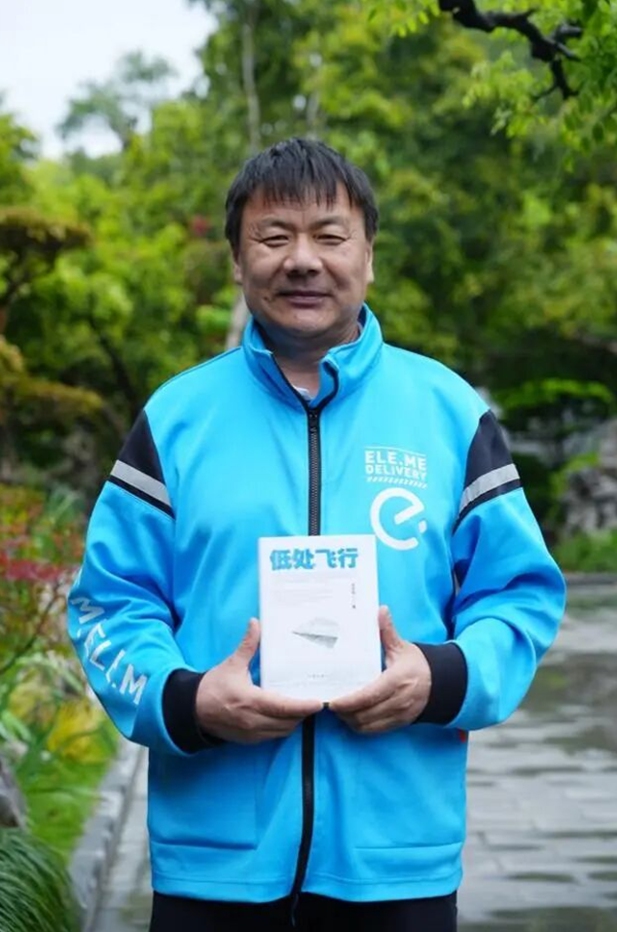
Wang Jibing
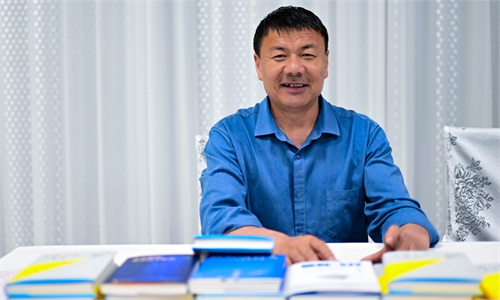
The 9th Lu Xun Literature Prize on Wednesday unveiled its list of winners, which featured a remarkable lineup of writers, poets, critics and translators.Yet among all the celebrated names, one stood out and captured the public's imagination: Wang Jibing, an ordinary food delivery rider known affectionately as the "delivery poet." His recognition marked a groundbreaking moment, opening the doors of China's most prestigious literary award to grassroots voices and proving that powerful stories can emerge not only from quiet studies but also from the bustling streets.
One of the country's highest literary honors, the Lu Xun Literary Prize, organized by the China Writers Association and awarded every four years, has traditionally been seen as a competition for professional writers. Established to recognize outstanding contemporary Chinese literary creations, the prize has long been viewed as a benchmark of China's mainstream literary achievement, carrying profound cultural and authoritative significance in the country's literary circle, per the Xinhua News Agency.
Wang admitted he was gripped by intense anxiety after his poetry collection Low Altitude Flight was shortlisted for the Poetry category of the prestigious award. "I held my breath and felt extremely nervous… Once it was revealed, everything was settled," he told the Global Times on Wednesday, adding that widespread media attention created a lot of mental pressure for him.
Despite claiming the premier literary award, Wang has no intention of quitting his delivery job. Even today, he said he had completed several delivery orders.
The poet revealed he will continue working as a delivery rider for another three years until he turns 60. "Financially, I don't need to do this job to make a living, but I love the vibe of the work and it keeps me fit," he explained. "I want to live a down-to-earth life, and the award will never change who I am. I will keep writing and sharing ordinary people's life stories through literature."
The news of Wang's win quickly went viral and topped trending lists on China's X-like platform Sina Weibo, sparking positive discussions among netizens.
Countless users sent sincere congratulations to the grassroots poet, noting that his inspiring story illuminates the dreams of ordinary people who persist in their passions amid trivial daily life. Many netizens left touching comments, stating that "brilliant literary prosperity can bloom even in the muddy hardships of ordinary life."
Wang's breakthrough symbolizes a historic transformation in China's literary landscape, highlighted by the rise of new popular literature. For decades, mainstream literature resembled a pyramid, with fame and resources concentrated on a small number of elite writers at the top. New popular literature tilts this traditional structure, offering greater platforms and recognition to grassroots creators at the bottom, the Xinhua Daily reported on Wednesday.
"Every ordinary person has unique radiance. Though we are not as dazzling as top writers, our trivial brilliance can also light up the literary sky," Wang remarked.
Yu Jinlong, a Beijing-based cultural scholar, told the Global Times that the 9th Lu Xun Literature Prize has achieved comprehensive innovation in themes, creators, aesthetics and media inclusivity. Breaking the monopoly of professional writers, the prize has built a diverse creation matrix of elite scholars, grassroots laborers and online writers. It shifts from elite grand narratives to realistic stories of ordinary working people, and embraces digital online literature alongside traditional printed works.
Yu pointed out that this reform embodies China's top-level cultural strategy outlined in the 15th Five-Year Plan, which advocates universal creation, digital literary development and people-oriented literature.
"By reshaping China's literary evaluation system with a people-centered, diversified and inclusive vision, the prize ushers in a new era in which every ordinary individual holds the right to create and speak in the literary field," Yu said.
RELATED ARTICLES