ARTS / CULTURE & LEISURE
Exclusive: Chinese actor Zhang Linghe reflects on how dramas connect China with the world
‘Truth, goodness and beauty never change’

Zhang Linghe appears in the TV drama Overdo. Photo: Courtesy of Overdo's official Sina Weibo account
Following the widespread popularity of Pursuit of Jade at home and abroad, Chinese actor Zhang Linghe's latest drama Overdo is reaching international audiences. The new series offers overseas viewers another opportunity to discover Chinese stories through drama.
In Overdo, Zhang portrays Murong Qingyi, a young man caught between family struggles and personal choices, whose life becomes intertwined with Ren Susu, the daughter of a medicine merchant.
In a recent interview with the Global Times, Zhang reflected on how Chinese dramas he has starred in can cross cultural and language barriers to connect with audiences overseas. In his view, the appeal of these stories lies in both the richness of Chinese culture and universal human emotions and values.
"Truth, goodness and beauty never change," Zhang told the Global Times. "People share the same pursuit of these values, regardless of nationality or cultural background."
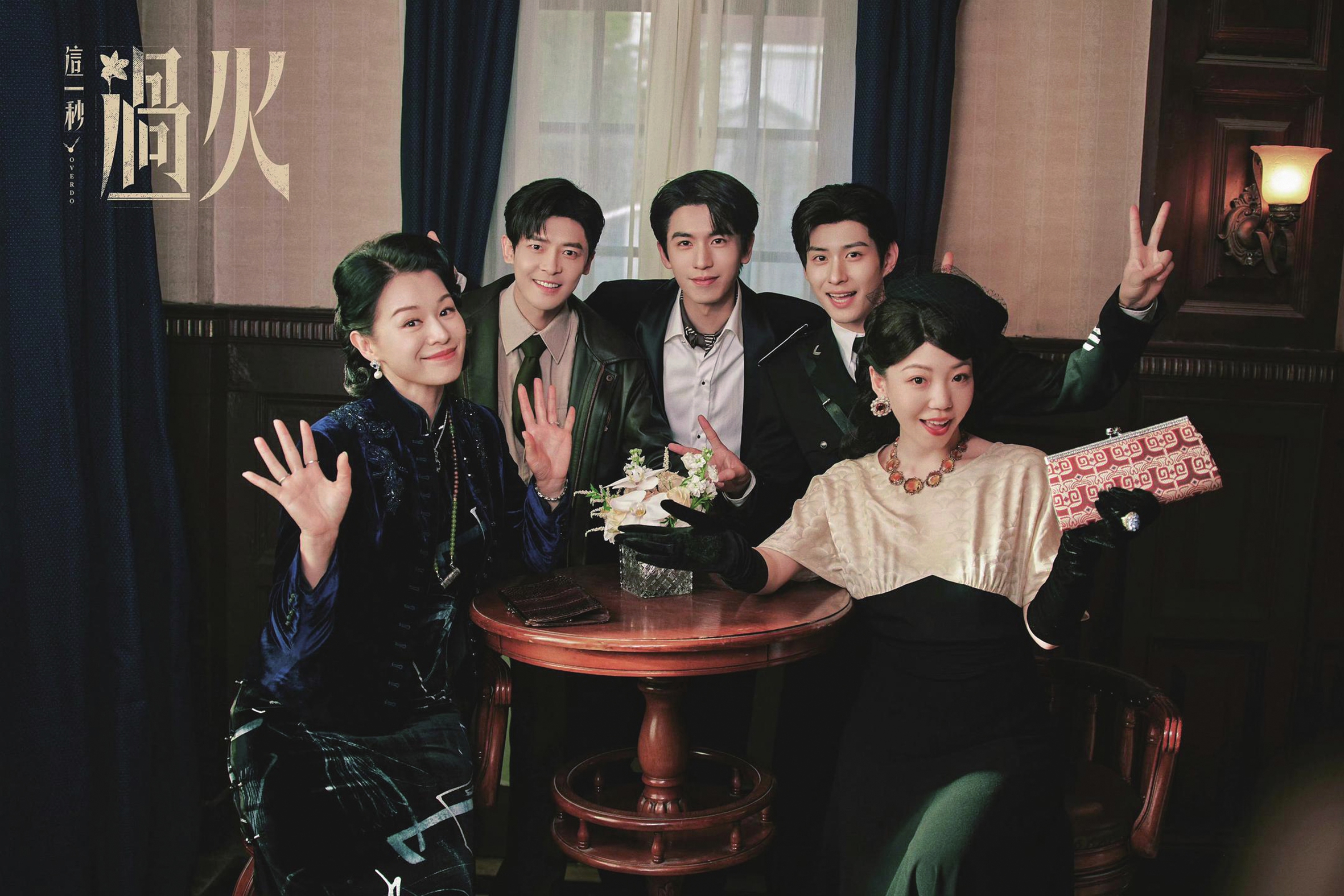
A still from Overdo Photo: Courtesy of Douban
Drama as a doorway
For Zhang, one of the greatest rewards of Chinese dramas' global reach is watching international viewers become curious about Chinese culture through these stories they tell. After Pursuit of Jade garnered international attention, he observed that some viewers had gained a deeper understanding of traditional Chinese culture, including traditional opera.
"They would start to explore some unique aspects of ancient Chinese culture, such as traditional opera, through dramas, and gradually come to understand and appreciate Chinese culture," he said.
Zhang noted that Chinese dramas offer different windows into the country depending on their genres. Costume dramas can introduce audiences to traditional arts such as opera and historical aesthetics, while period dramas can showcase the emotions, values and social atmosphere of different eras.
Modern dramas, meanwhile, allow viewers to see the development and changes taking place in contemporary China.
"Through different Chinese dramas, people can learn about the many different aspects of Chinese culture," he said. "If a drama sparks their interest and leads them to explore Chinese culture, they will discover that it carries profound meanings and embodies many important values."
"Drama is a doorway and a bridge," Zhang added. "I hope people can use this bridge to see how beautiful and how strong today's China is."
While dramas can introduce audiences to China's history and culture, Zhang believes everyday experiences can also create connections. Among the cultural elements he finds most relatable is Chinese cuisine.
"When you travel or work overseas, you may find that after staying there for a while, you really start missing Chinese food," he said.
In his view, the diversity of Chinese cuisine reflects the country's long history and regional cultures. From Sichuan cuisine to Hangzhou-style dishes and Shanghai cuisine, each culinary tradition carries the characteristics and lifestyle of its region. The flavors vary widely, from sweet dishes in some regions to spicy cuisine in others.
"Food is definitely a fastest and most direct way to understand traditional Chinese culture," Zhang said. By trying different regional cuisines, overseas visitors can learn about local customs and ways of life, and gradually develop a deeper appreciation of China's diverse culture.
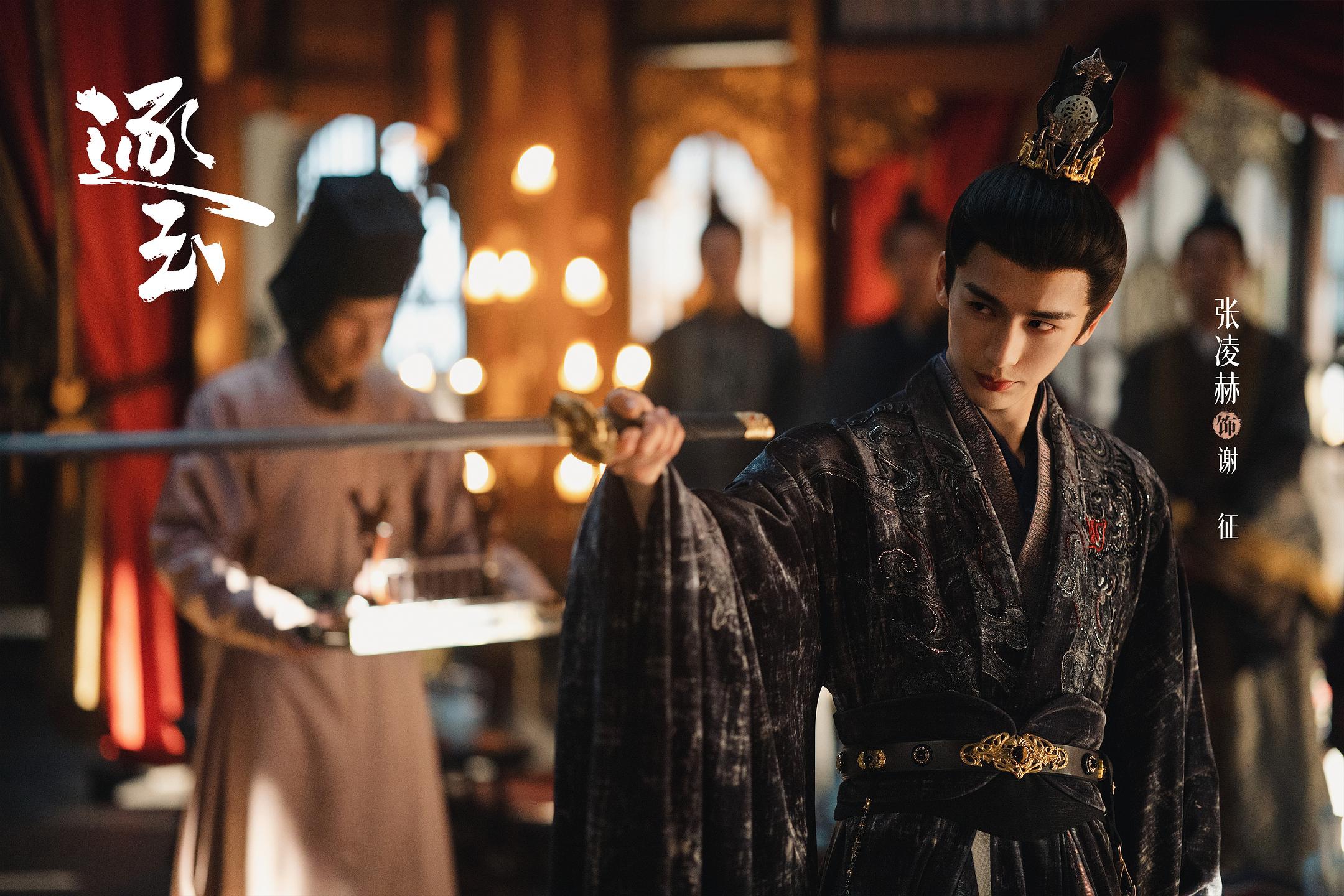
Zhang's still in Pursuit of Jade Photo: Courtesy of Douban
Never limited
Over the past years, the 28-year-old Zhang has taken on a range of roles, from costume dramas to modern narratives. He said he does not deliberately limit himself to a particular genre, but prefers to explore a variety of characters and experiences.
"It has been a process of trying more and experiencing more," he said. Each role and genre, he added, has brought him new perspectives and lessons. The latest project marked a new experience for Zhang as it was his first major role set in the Republic of China era (1912-49) role. He was attracted by both the character and the drama's tightly woven storyline, with each episode ending on a hook that keeps audiences engaged.
Compared with many of his previous modern roles, which often featured a softer style, Zhang hoped Murong Qingyi would reveal a new dimension of his performance. The drama's intense storyline also required him to find the right balance in his performance. According to him, a main challenge was to avoid making the character overly dramatic while also avoiding a portrayal that felt too close to everyday life.
Looking back on his acting journey, Zhang said that each genre has taught him something different. Costume dramas require actors to handle broader emotions, while modern dramas demand a more natural and realistic approach. Republican-era dramas, he said, require a balance between the two.
With Overdo reaching overseas audiences, he hopes international viewers can see a different side of him through Murong Qingyi, while also gaining a deeper understanding of Chinese culture.
As his performing career continues, Zhang also sees growing popularity as a responsibility. "Everyone's expectations of me are getting higher, but I think that is a very good thing," he said. "The pressure pushes me to work harder and gives me more motivation."
Zhang said he wants to use his growing attention and influence to present a more positive image and offer audiences diverse perspectives.
"Beyond film and television, I also hope to use my influence to raise awareness of areas such as new energy, environmental protection and public welfare initiatives, and encourage more people to pay attention to these issues," he noted.
Liu Ziyi contributed to this story.
RELATED ARTICLES