Chinese FM urges Japan to act prudently, warns against remilitarization after Tokyo launched new intelligence bureau
Tokyo's first move on centralizing intelligence after WWII showcases geopolitical ambitions, posing threat to regional peace: expert
By , Li Yawei and Xing Xiaojing Published: Jul 31, 2026 03:54 PM

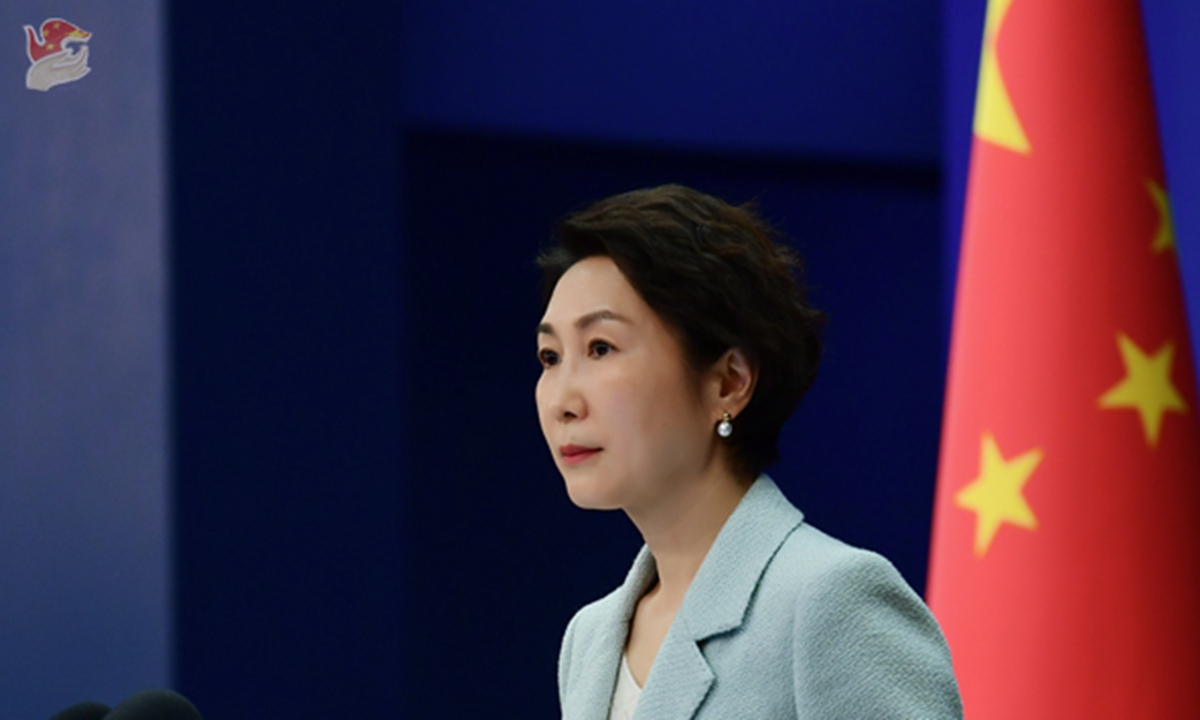
Photo: Chinese FM spokesperson Mao Ning
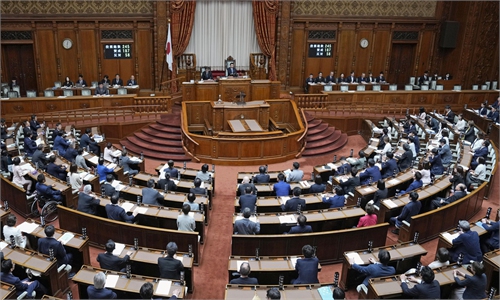
Japan launched its new National Intelligence Bureau and held the first meeting of its new National Intelligence Council on Friday, marking the establishment of the country's first centralized national intelligence system since World War II. The Chinese Foreign Ministry on Friday criticized Japan's move as another negative development in Japan's domestic and international policies on security, noting that Tokyo's accelerating "remilitarization" threatens regional peace and stability and urging Japanese political leaders to learn lessons from history and act prudently.
Looking back, Japan's intelligence community paved the way for the country to fully advance militarism and launch a war of aggression, which led to innumerable crimes against its Asian neighbors and Japan's own people, Foreign Ministry spokesperson Mao Ning said at a press conference.
Mao said that, for some time, Japan has been accelerating its remilitarization agenda under the pretext of national security and external threat. Such moves have put regional peace and stability at risk and drawn widespread concern across the international community.
Japan held the first meeting of its new National Intelligence Council chaired by Prime Minister Sanae Takaichi, the government said Friday, in a step toward strengthening the country's intelligence capabilities and pursuing counterespionage legislation, according to Japanese media Mainichi.
The first meeting of the council was held on the same day as the launch of its secretariat, the National Intelligence Bureau. A law enacted in May established both bodies as part of efforts by the Takaichi government to boost capabilities in response to "increasingly complex overseas threats."
"The establishment of this council marks the first step in Japan's intelligence reforms," Chief Cabinet Secretary Minoru Kihara said at a regular press conference in Tokyo, per Mainichi.
Japan's latest move and its personnel appointments are not merely an intelligence reform. Rather, they represent a key institutional step by right-wing forces to centralize intelligence powers under the Prime Minister's Office, erode the postwar pacifist constitution, expand Japan's military capabilities and advance their geopolitical ambitions - posing a tangible threat to regional peace and stability, Lü Yaodong, Deputy Director of the Institute of Japanese Studies at the Chinese Academy of Social Sciences, told the Global Times on Friday.
The centralization of intelligence complements Japan's efforts to revise the exercise of collective self-defense and sharply increase defense spending. Together, these measures are designed to provide full-spectrum intelligence support for advancing its "remilitarization", Lü said.
Kyodo News on Friday noted that the council, a central command body on intelligence chaired by Takaichi and comprising nine other Cabinet members, confirmed its future operational policy including measures to safeguard sensitive information at its first meeting. Meanwhile, the bureau will coordinate intelligence gathered by the National Police Agency, the Foreign Ministry, the Defense Ministry and other organizations, with the authority to require them to share information.
Kazuya Hara assumed the post of the bureau's director Friday. He previously held senior positions at the National Police Agency and served as an executive secretary to then Prime Minister Shinzo Abe.
Japan's new intelligence agency is its first centralized, nationwide intelligence hub since World War II, designed to integrate information across government and support expanding military operations. Its creation marks a sharp institutional shift from postwar restraint toward a more proactive security posture, Lian Degui, director of the Center for Japanese Studies at Shanghai International Studies University, told the Global Times on Friday.
Alongside developments such as Japan's latest testing of long-range missiles, the move reflects a significant expansion of Japan's military and security activities, adding new uncertainties to regional peace and stability, said Lian.
Japan conducted its first test launch of a Tomahawk cruise missile from the destroyer JS Chokai in the Pacific Ocean on Wednesday, Japan Times reported, claiming this as "a milestone in its efforts to deploy the weapons as part of a new military strategy of being able to hit enemy targets from long range."
At a press conference on Thursday, Jiang Bin, spokesperson for China's Ministry of National Defense, said that Japan's National Intelligence Bureau has sparked widespread controversy and deep public unease at home, evoking memories of the Special Higher Police, or Tokko, which conducted domestic surveillance and repression while serving Japan's wartime aggression during World War II.
These moves are closely linked to Tokyo's broader military buildup and preparations for war and, in essence, seek to create an intelligence system serving military expansion and war planning, posing a serious threat to peace and stability in the Asia-Pacific region and beyond, said Jiang.
The launch of the new intelligence agency suggests that Tokyo is already conducting advance intelligence preparations for potential military conflict, he warned, urging East Asian countries and peace-loving forces worldwide to remain highly vigilant.
RELATED ARTICLES