China’s steel industry body calls for wider use of a yuan-denominated iron ore price index as alternative to dollar-based benchmarks
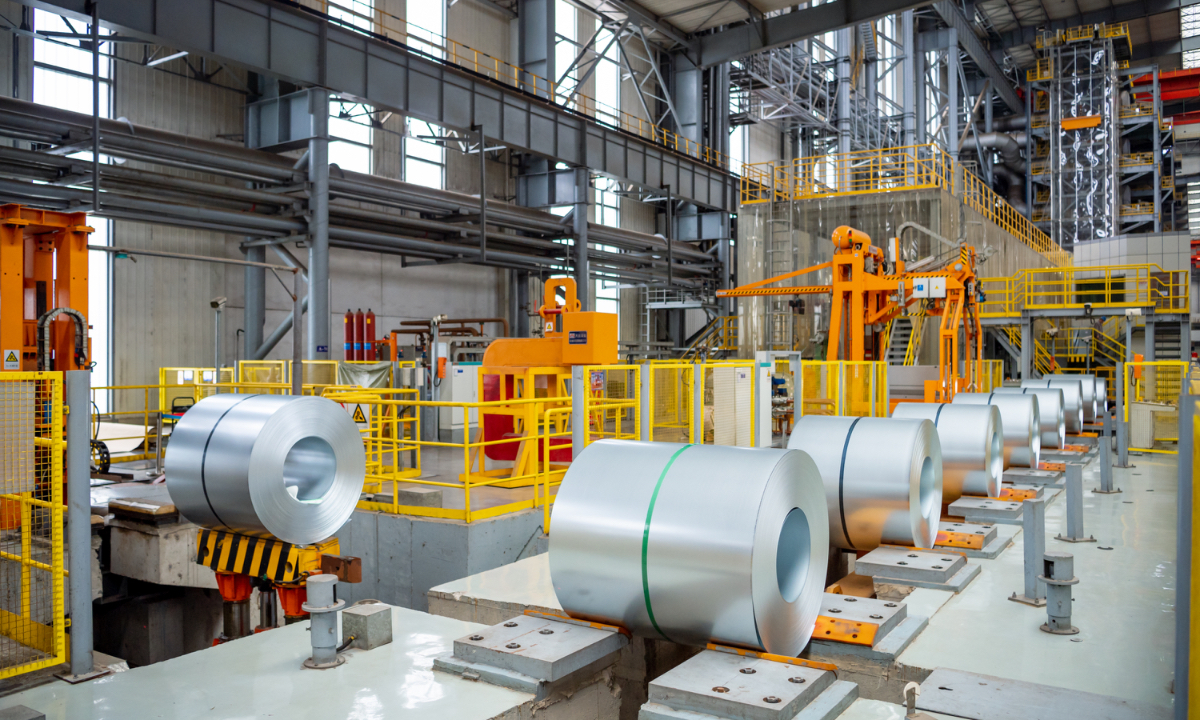
Steel products File photo: VCG
China's main steel industry body on Wednesday called for wider use of a yuan-denominated iron ore price index, saying it would provide a more objective and transparent alternative to dollar-based benchmarks, curb speculation and better reflect market supply and demand.The iron ore supply chain has long faced structural imbalances, with a stark contrast between upstream international miners enjoying outsized profits and downstream Chinese steelmakers struggling under mounting pressure, the China Iron and Steel Association (CISA) said in a WeChat post on Wednesday, calling for reshaping market rules and building a fairer, more transparent, and sustainable market order.
A more objective and transparent iron ore pricing mechanism is gradually emerging, the association said. For years, dollar-denominated benchmarks have largely reflected transactions involving a limited number of international miners. China, home to the world's largest portside spot market, can provide prices that more accurately reflect actual supply and demand.
Developing a yuan-denominated iron ore price index would offer an important alternative to dollar-based benchmarks and improve the representativeness and transparency of price formation. Wider use of yuan-based indices in international trade could also curb speculation, allow prices to better reflect supply and demand, and improve the global iron ore pricing system, the CISA said.
China's super-sized market has served as a "constant" to offset uncertainties in global supply. As the world's largest iron ore consumer, China's relatively stable production pace and efficient logistics system have helped cushion the impact of external disruptions on iron ore supplies, according to the CISA.
Its strong market absorption capacity and buffering mechanism have given global miners clearer expectations, encouraging long-term, large-scale investment in upstream exploration and development. The stability and scale of the Chinese market have, in turn, supported the continued expansion of global iron ore production capacity, the association said.
A more diversified resource supply system is also taking shape, the association said. Investment in global iron ore development has accelerated in recent years, with major projects in West Africa and other regions coming onstream, helping smooth the supply curve, improve resource allocation, strengthen market resilience and foster fairer competition. Broader supply sources could reduce operating costs and risk premiums across the industrial chain, ultimately benefiting steelmakers.
The association said there is also growing consensus on the need to address the structural imbalance between upstream and downstream players. A healthy industrial ecosystem should not be built on a zero-sum relationship. Instead, improved cooperation should enable a more reasonable distribution of profits across the value chain. Only when steelmakers enjoy a fair market position, balanced bargaining power and reasonable returns can they sustain stable iron ore demand and support long-term earnings for miners, it said.
Global Times
RELATED ARTICLES