Illustration: Liu Xiangya/GT
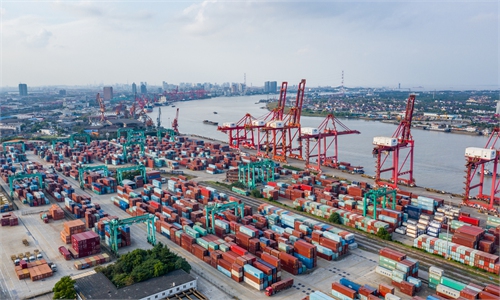
International businesses are taking a closer look at China's import market. The first batch of exhibits for the 9th China International Import Expo (CIIE) is now on its way to Shanghai, including equipment from an Austrian machine tool manufacturer, the Xinhua News Agency reported on Saturday.
Preparations for this year's expo are advancing steadily. When the expo reached its 100-day countdown, more than 1,200 companies from 99 countries and regions had confirmed their participation, about 100 more than registered at the same point last year.
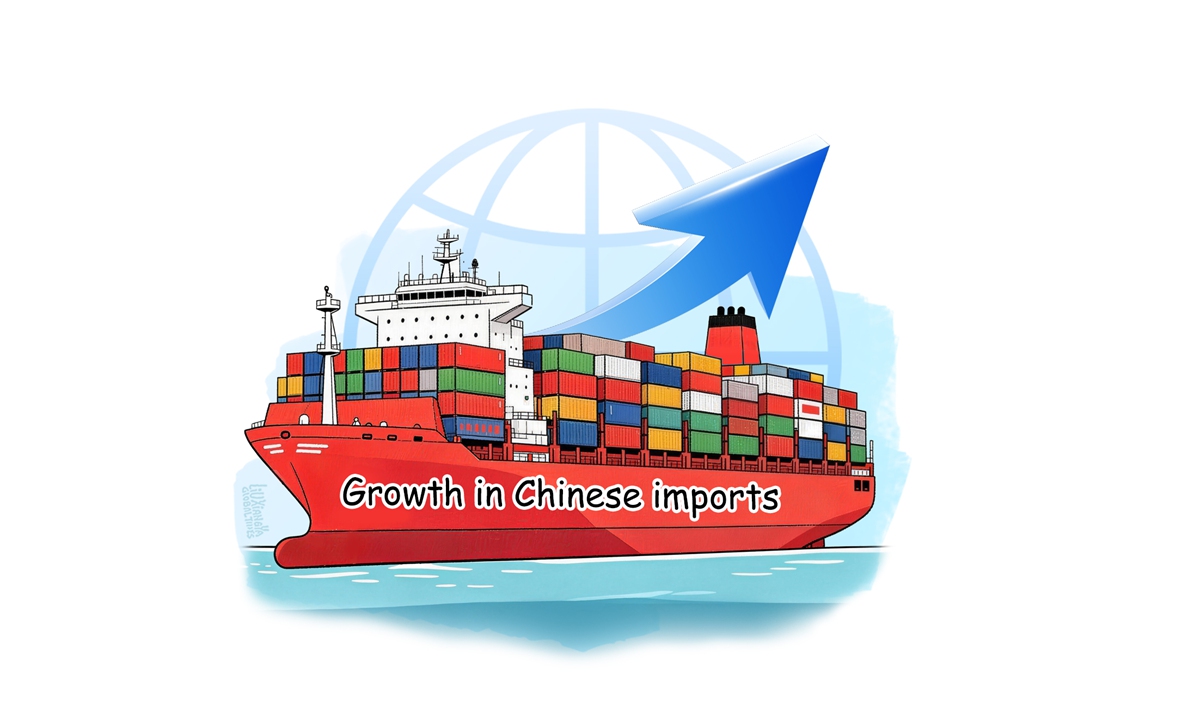
The interest from global companies is hardly surprising. It reflects the continued expansion of China's import market. Data from Chinese customs shows that China's imports increased 26.7 percent year-on-year in US dollar terms in the first seven months of this year. Amid rising uncertainties in global trade, that pace of growth stands out.
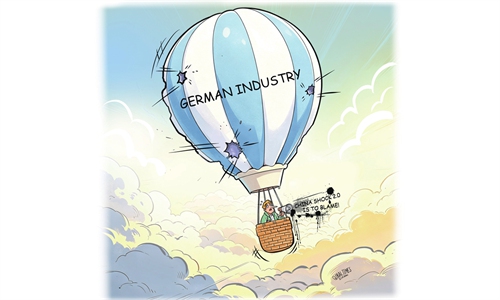
China is the world's second-largest consumer market, and changes in its demand can have consequences far beyond its borders. An import market of this scale expanding by more than 25 percent would normally be expected to attract close attention in the world. Yet as some Western media outlets have amplified the narrative of a so-called "China shock 2.0," the growth of China's imports has received comparatively little attention in the West, which risks obscuring an important part of the world's trade picture.
China's remarkable technological progress has helped drive export growth in recent years, particularly in high-tech products. Yet a less-discussed part of the story is that the same industrial upgrading has also created China's massive demand for imports, especially intermediate goods such as raw materials, semi-finished products and components.
Intermediate goods have long made up a substantial share of China's imports, with the proportion reaching 79.4 percent as early as 2023. This reflects how deeply imports are woven into the country's industrial system. As China's industrial development continues to advance, demand for imported inputs is likely to further expand.
Recent trade data illustrates how this dynamic is playing out. In 2025, advances in intelligent vehicle-driving technologies in China were accompanied by a more than 20 percent increase in lidar imports. Meanwhile, strong demand for artificial intelligence computing capacity coincided with a 20 percent rise in imports of computer components.
The trend has continued into 2026. In the first half of the year, steady growth in China's industrial activity helped underpin demand for imported raw materials and components, with imports of metal ores and electronic components rising 22.6 percent and 45.6 percent, respectively.
China has been the world's second-largest import market for 17 consecutive years now. As intermediate goods account for a large share of its imports, the country's continued industrial development is likely to generate further opportunities for suppliers worldwide. This helps explain why global companies continue to show strong interest in the CIIE.
This also helps explain why the so-called "China shock 2.0" Western narrative does not reflect reality. At the very least, it overlooks how China's industrial growth is generating import demand. From January to July, China's imports grew 8.2 percentage points faster than exports, in US dollar terms.
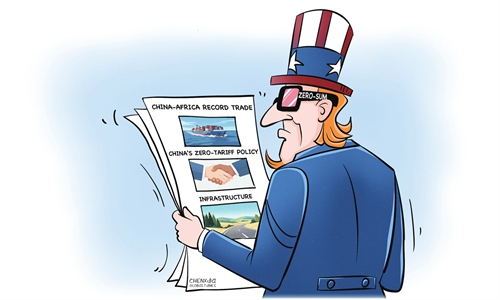
The opportunities created by China's import growth are open to all trading partners. In the first half of the year, China's imports from more than 150 countries and regions increased.
It is natural that import performances among trading partners will inevitably vary. For example, some countries have seen their exports to China grow more slowly than others. For those facing weaker-than-expected exports, turning to protectionism in an attempt to restrict imports from China and narrow their trade deficits can hardly offer a solution. A more productive response would be to strengthen their own export competitiveness and engage more deeply with the opportunities created by China's growing import demand through industrial and trade cooperation.
The author is a reporter with the Global Times. bizopinion@globaltimes.com.cn
RELATED ARTICLES