US’ ‘Pax Silica AI Assistance Project’ in Panama won’t slow down China’s AI rise: expert
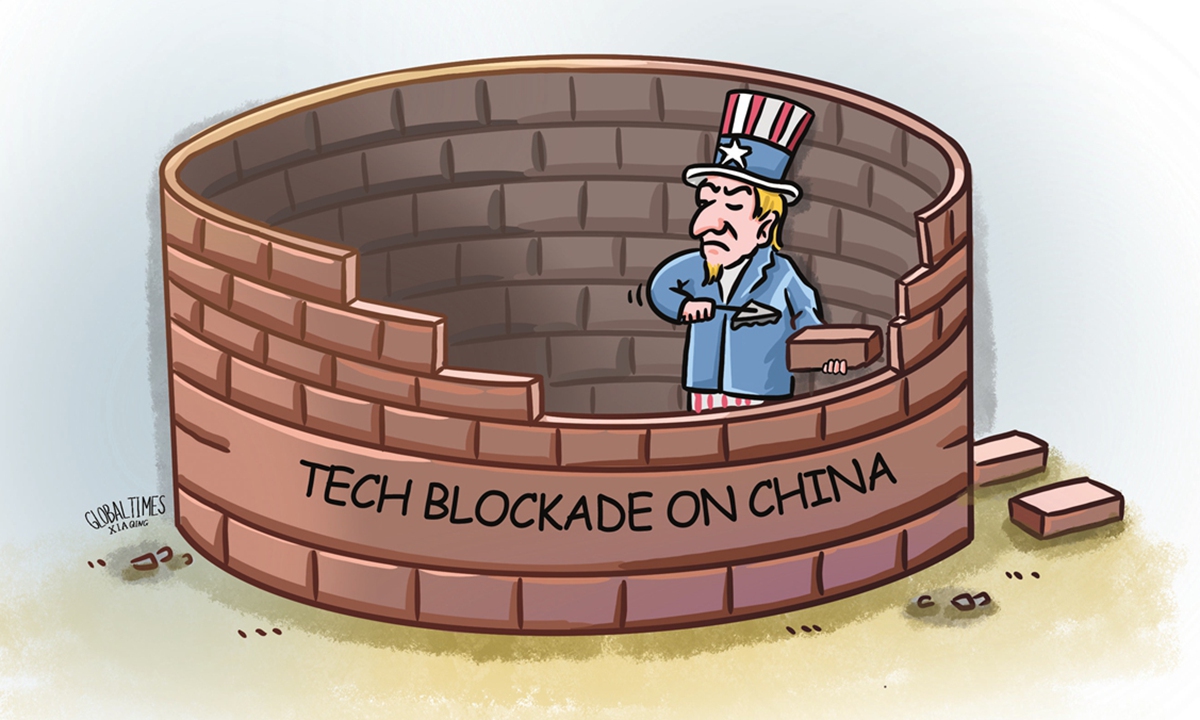
Illustration: Xia Qing/GT
Washington's latest push to tighten restrictions on China's access to critical AI-related materials under the banner of strengthening supply chains, with a so-called pilot platform in Panama, cannot slow down China's AI development and will only create further uncertainty and risks for the industry, a Chinese expert said on Thursday.
According to a Bloomberg report on Wednesday, the US administration claimed that it would create a pilot platform in Panama under the pretext of accelerating shipments of goods considered critical to AI development between the US and its closest trading partners.
In a statement on Wednesday US time, the US State Department said that "the Pax Silica AI Assistance Project would begin as a pilot, implementing an AI supply chain credentialing platform with Panama's ports and customs authorities."
While the statement did not mention China, Bloomberg reported that the announcement marks the latest US move to strengthen its supply chains with allies and reduce their reliance on China for crucial materials used in AI and other advanced technologies.
He Weiwen, a senior fellow at the Center for China and Globalization, said the move is Washington's latest attempt to draw regional partners into a China-excluding technology and supply-chain framework.
The so-called Pax Silica initiative is essentially a continuation of longstanding US efforts to contain China's high-tech and AI development, he said, adding that the effectiveness of such restrictions is steadily diminishing.
In recent years, the US has repeatedly tightened technology export controls targeting China under the banner of national security, while increasingly resorting to protectionist trade measures. At the same time, US policymakers appear unsatisfied with the reach of existing restrictions and are seeking new grounds to justify even tighter controls.
On Monday, a Reuters report also disclosed that Republican Congressman John Moolenaar, who leads the House Select Committee on China, called on the US administration to make sure chip manufacturers don't send advanced logic chips to untrusted Chinese firms.
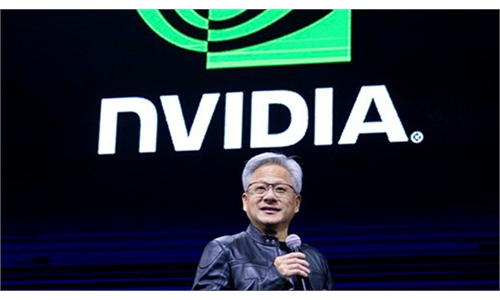
The uncertainty and anxiety created by Washington's policies are also spilling over to major US chip exporters. For example, Nvidia founder and CEO Jensen Huang said in October 2025 that the company's position in China has dropped from 95 percent of the advanced chip market to zero, according to the South China Morning Post.
Politically driven efforts to sever AI supply chains would hinder productivity, hurt the US and its allies, and impose additional burdens on companies themselves, He Weiwen said.
The expert also noted that as China's AI industry continues to strengthen its indigenous innovation and commercialization capabilities, efforts to build an AI supply chain that bypasses or excludes China will become increasingly difficult and costly.
RELATED ARTICLES