ARTS / CULTURE & LEISURE
Chinese real estate entrepreneur wins Korean literary award, ‘atypical writer’ turns Everest experiences into literature
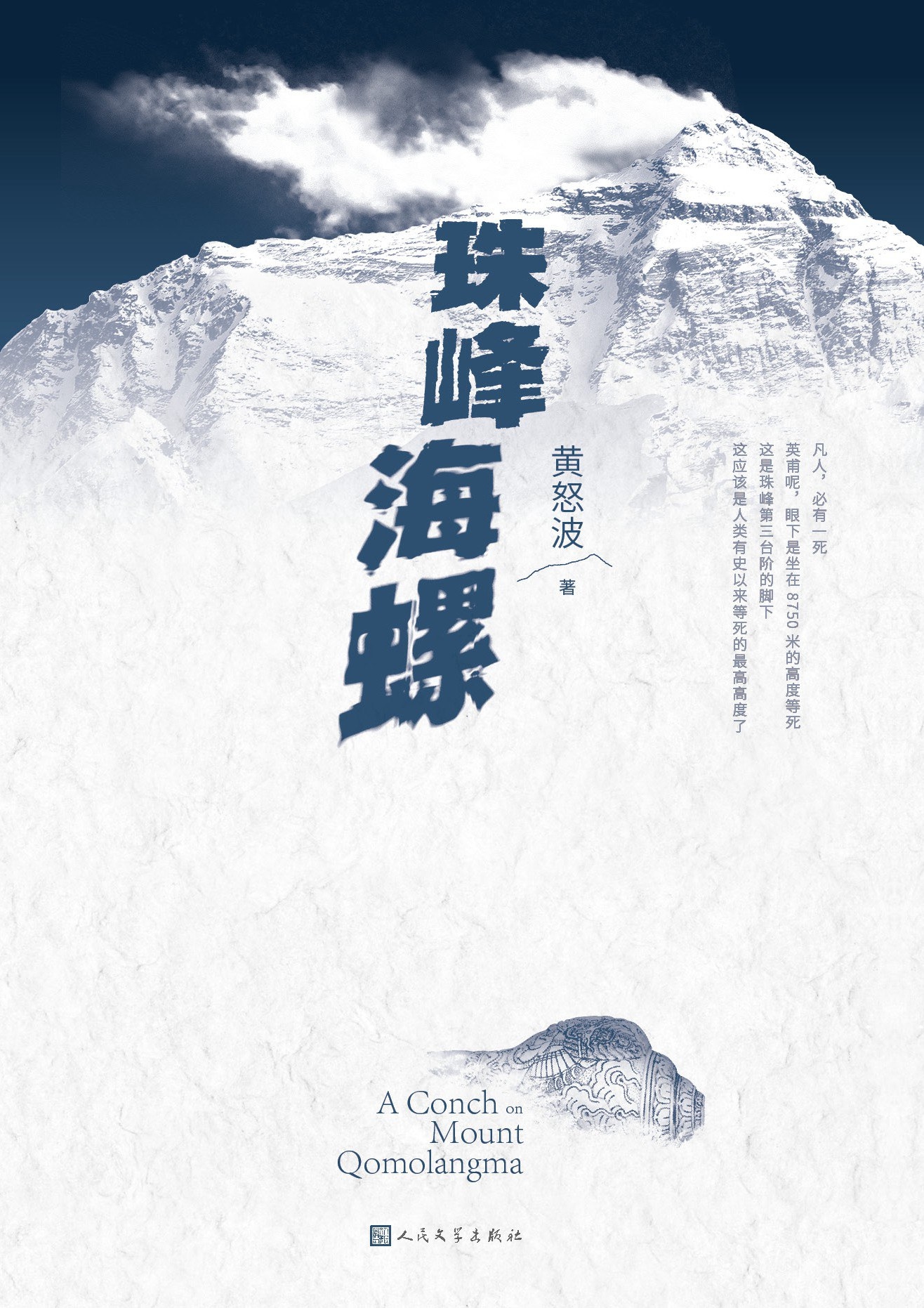
Huang Nubo's novel A Conch on Mount Qomolangma wins the top prize at the 19th Lee Byung-ju Hadong International Literary Award in South Korea Photo:Screenshot from website
Chinese real estate entrepreneur and writer Huang Nubo's novel A Conch on Mount Qomolangma has won the top prize at the 19th Lee Byung-ju Hadong International Literary Award in South Korea, organizers announced Friday. The organizers said the novel demonstrates the author's extensive knowledge, literary depth and philosophical insight, while exploring human limitations and the direction of life in ways that resonate with readers, according to South Korean media Yonhap News Agency.
The novel follows two parallel storylines - an expedition to Mount Everest and a business crisis, while Huang himself has reached the summit of Everest three times.
Huang told the Global Times that more than half of the world's mountains above 8,000 meters are located in China. China previously had no developed mountaineering industry, but mountaineers from Southwest China's Xizang Autonomous Region have since become a strong presence on the international climbing scene, with one Xizang guide having climbed Everest as many as 12 times. Some guides have also gone on to become national ski coaches.
These changes are also reflected in the novel, in which Huang uses the world of mountaineering not only as a setting for the story, but also as a window into the people living and working in the mountains and the changes taking place around them.
"Xizang guides are also very sincere and dependable. They never abandon you or leave you behind," Huang said. For Huang, climbing Everest goes beyond reaching the summit, prompting reflection on the people he encountered, the changes he witnessed and the relationship between humanity and nature.
The "conch" in the novel's title takes these reflections from the summit of Everest into a much longer time scale. Huang explained that Everest represents "space," while the conch represents "time" - Everest was once beneath the sea, while the conch has witnessed the long evolution of life. Together, they point to human existence across time and space.

Mountaineers queue up below Camp 4 on the way to the summit of Mount Everest in Nepal, May 17, 2025. (Jenjen Lama)This content is intended for editorial use only. For other uses, additional clearances may be required. Photo: VCG
For Zhang Jiwu, professor of Chinese language and literature at Peking University, Huang himself is an unusual literary figure.
"This award winner previously worked in real estate, yet he has produced a literary work with such strong appeal and reach," Zhang told the Global Times. "His cross-disciplinary knowledge and life experience mean that the novel is not built solely on literary imagination, but is grounded in real-life experience."
That identity as an "atypical writer" is one of the aspects that makes A Conch on Mount Qomolangma noteworthy.
People believe the novel incorporates "new realities" of modern society, including mountaineering and business competition, into its literary narrative, reflecting changes in China's economic development and social life. These experiences have provided unique material and perspectives for his literary expression, according to the China Writers Association.
This reflection on life, time and the human condition may also help explain why A Conch on Mount Qomolangma has resonated beyond China. In Zhang's view, the significance of an overseas literary award lies not only in bringing greater international attention to a Chinese work, but also in allowing readers from different cultural backgrounds to encounter, through literature, Chinese writers' reflections on questions shared by humanity.
RELATED ARTICLES