Japanese 'ghost-worshippers' should be treated like rats scurrying across the street and reviled by all
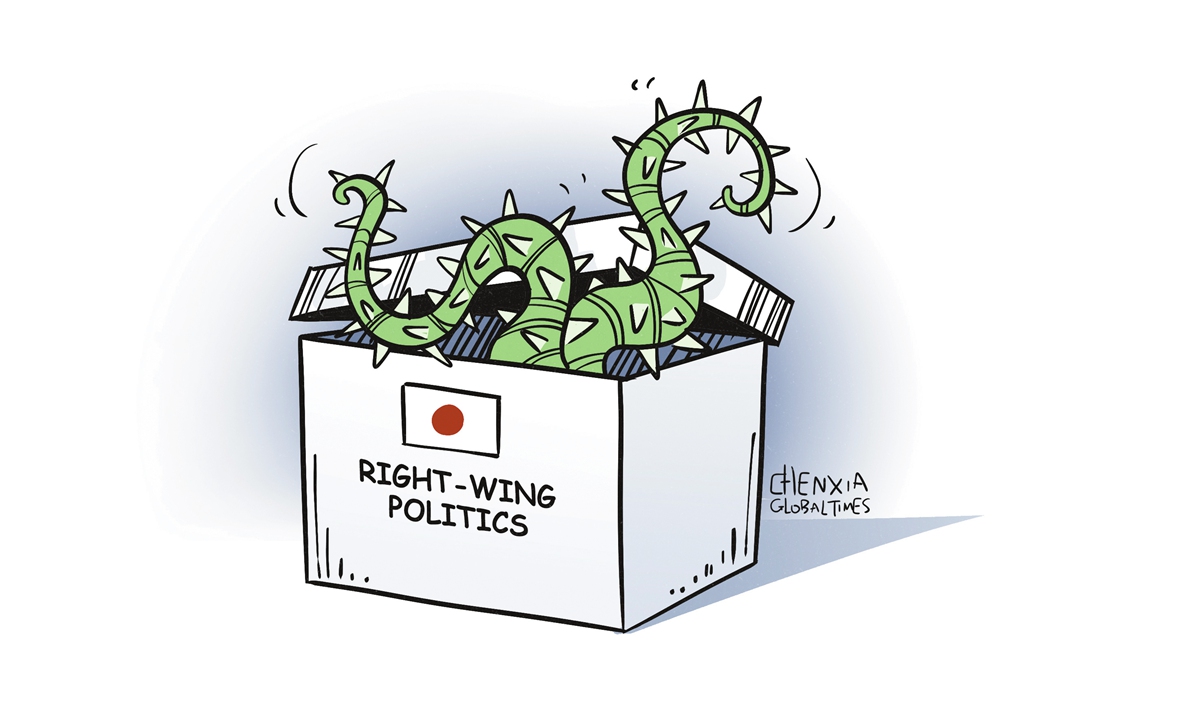
Illustration: Chen Xia/GT
On August 15, several Japanese officials, including Japanese Defense Minister Shinjiro Koizumi, and core members of the ruling Liberal Democratic Party (LDP), such as Secretary-General Shun'ichi Suzuki, blatantly visited the notorious war-linked Yasukuni Shrine. Sanae Takaichi sent a ritual offering in her capacity as prime minister. This constitutes a brazen challenge to international justice by the core of Japan's political establishment on the anniversary of its surrender in World War II, and inflicts serious harm on the people of China and all other Asian nations that suffered aggression at the hands of Japanese militarism.
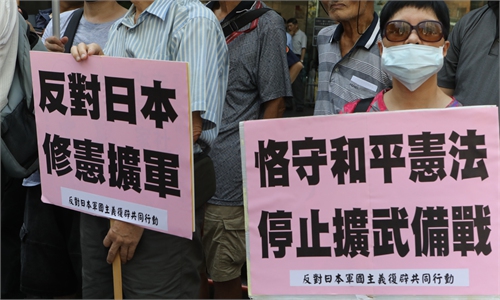
From past "ghost-worship" by individual cabinet ministers to collective "ghost-worship" by senior LDP officials, and from individual acts to organized actions, Japanese right-wing forces are progressively breaching bottom lines and testing red lines. The dangerous signal sent by Koizumi's "ghost-worship" is particularly alarming, given his position as defense minister and his command over the Self-Defense Forces. This marks the second time a sitting defense minister has visited the shrine on August 15—following then defense minister Minoru Kihara in 2024—and the seventh consecutive year that a serving Japanese cabinet minister has done so on this date. The ambition of Japan's right-wing forces to systematically revive militarism has thus been laid bare.
Koizumi, who spearheaded the latest "ghost-worship," is a typical politician attempting to revive militarism. During his tenure as prime minister, his father, Junichiro Koizumi, repeatedly defied strong objections from China, South Korea, and other countries by insisting on visiting the Yasukuni Shrine, thereby plunging Japan's relations with its Asian neighbors into serious difficulties. Shinjiro has inherited this family tradition of political opportunism; devoid of any sense of reverence or remorse regarding the history of aggression, he treats the veneration of war criminals as a shortcut to curry favor with conservative voters and capture right-wing support. By placing his own political interests above historical morality, the sentiments of neighboring countries, and the broader cause of regional peace, he fully exposes his distorted view of history and shortsighted political nature.
The Yasukuni Shrine serves as a spiritual tool and symbol of Japanese militarism; the 14 Class-A war criminals enshrined there were the chief culprits behind the wars of aggression, making it, in effect, a "shrine to war criminals." The "ghosts" worshipped by figures like Koizumi are the very specters of militarism. We must never allow the anniversary of Japan's surrender to be transformed into a "day of ghost-worshipping" when right-wing extremists run rampant. The international community must employ decisive measures—including sanctions—to block any path for the resurrection of militarism, ensuring that these "ghost-worshippers" are reviled by all and rejected wherever they go, much like rats scurrying across the street. Only by making the cost of such "ghost-worshipping" painfully high will they truly come to fear historical justice.
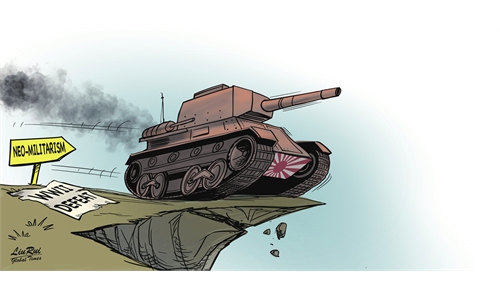
August 15 serves as a "mirror that reveals demons," once again exposing the extreme danger posed by Japan's current ruling authorities. The aggressive posturing of right-wing politicians is merely digging their own political graves. A word of advice to the Japanese right wing: face history squarely and reflect on the culpability; otherwise, what awaits you is the crushing blow of an iron fist and the merciless grinding of the wheels of history.
RELATED ARTICLES