Pop Mart posts H1 revenue of 17.17 billion yuan; Twinkle Twinkle Star IP surges over 580%
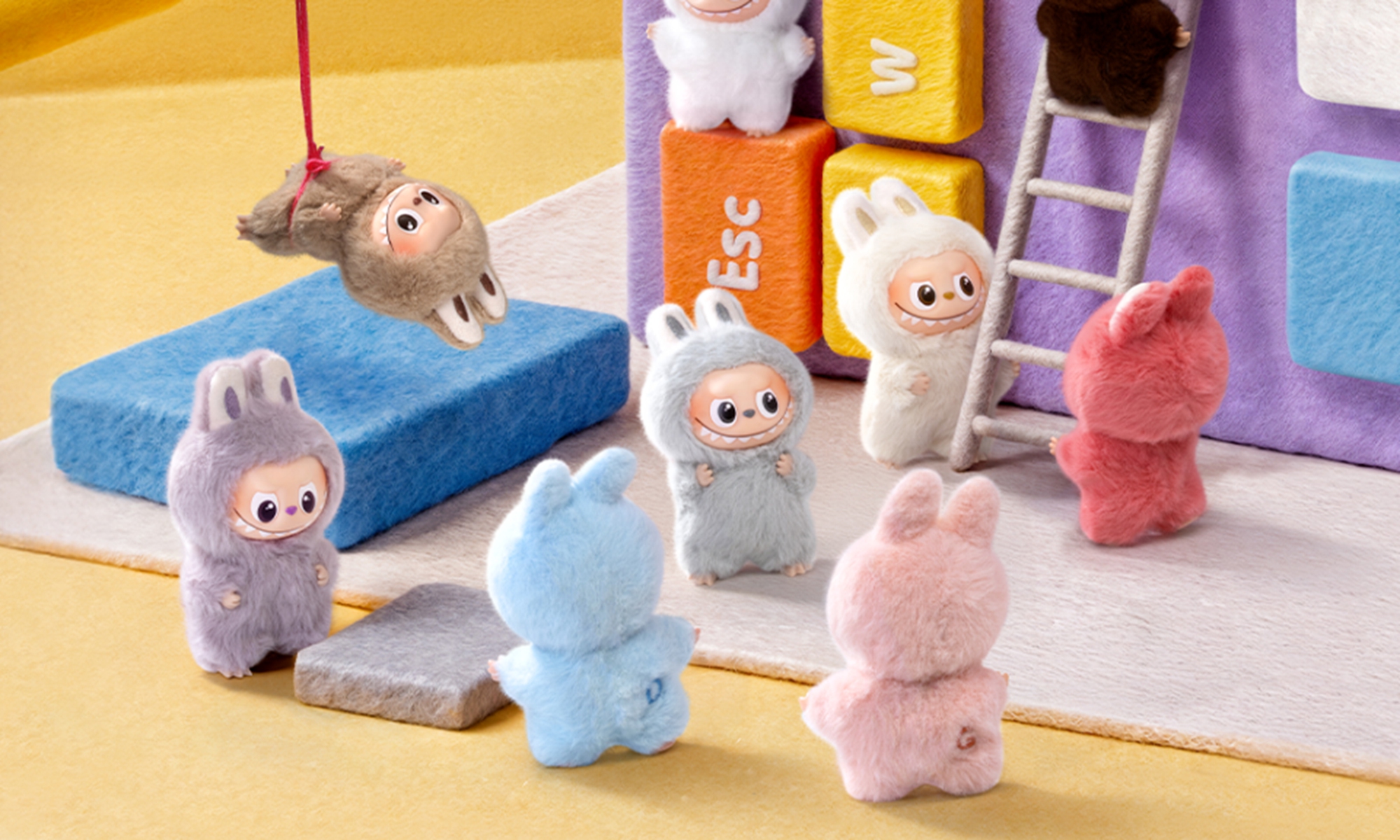
New mini Labubu series Photo: screenshot from WeChat account of Pop Mart
Beijing-based toymaker Pop Mart, creator of Labubu and other hit original-IP characters, posted first-half 2026 revenue of 17.17 billion yuan ($2.55 billion), up 23.8 percent year-on-year, as its Twinkle Twinkle Star IP surged over 580 percent to become the group's fastest-growing series, according to the company's financial results released on Thursday.
At a press briefing after the release of the financial results, A Pop Mart executive said the company will continue to roll out new Labubu products. The company also announced plans for a 2 billion yuan to 5 billion yuan share buyback within the next six months, signaling confidence in its long-term outlook.
The company's net profit for the first half of the year increased 10.1 percent to 5.04 billion yuan for the six months ended June 30, the toymaker announced.
At the briefing, founder and CEO Wang Ning said the company had previously set a revenue growth guidance of 20 percent for 2026. The high base from last year's performance has created some pressure for this year, and the pressure in the second half will be greater than in the first. The company positions 2026 as a year of operational adjustment - driving sales growth is not the primary goal - and its corporate governance is on a sound trajectory.
The results show that its cumulative number of registered members globally exceeded 100 million by the end of June. The group operated a total of 676 stores and 2,827 roboshops globally, representing a net increase of 46 stores and 190 roboshops, respectively, according to the company.
In the first half of this year, Pop Mart posted a net increase of 10 physical stores in the Chinese market, increasing the number of stores to 455. Its revenue in the Chinese market soared by 47.3 percent year-on-year to hit 12.2 billion yuan.
According to the company, its offline channels in Americas keep expanding, with the number of retail stores increasing from 41 in the first half of 2025 to 86 in the first half this year.
RELATED ARTICLES