India steel Photo: Xia Qing/GT
Indian steel prices are expected to rise further in the coming weeks, while industry statistics show that hot-rolled coil prices rose by 4,000 rupees ($42.1) per metric ton between August and early September, reaching a four-year high, Reuters reported. Higher steel prices could add to input costs for infrastructure, construction and vehicle companies as demand for steel picks up, and that could weigh on India's manufacturing sector.
Does the rise in coil prices mean that India's steel capacity is failing to keep up with demand?
That may seem counterintuitive, since India's steel industry has expanded rapidly. According to Minister of State for Steel Bhupathiraju Srinivasa Varma, crude steel production rose from 120.29 million tons in 2021-22 to 170.15 million tons in 2025-26, while finished steel consumption increased from 105.75 million tons to 164.36 million tons, Fortune India reported in August.
The numbers point to a steel industry that has been expanding in step with rising domestic demand.
India is already the world's second-largest steel producer. So why are coil prices rising? The answer may lie in factors that go beyond overall production capacity.
First, some short-term factors may be at work. Reuters reported that a post-monsoon pickup in infrastructure and vehicle demand is tightening the market, while maintenance shutdowns at major mills and lean distributor inventories are also putting pressure on supply. These are short-term market factors rather than evidence of a broader capacity problem in India's steel industry.
Second, there is the cost of coking coal. This fuel accounts for a substantial share of steel production costs, with media reports putting it at as much as 40 percent. India meets much of its coking coal needs through imports, while prices for premium hard coking coal have reportedly been rising. That adds another layer of cost pressure for Indian steelmakers.
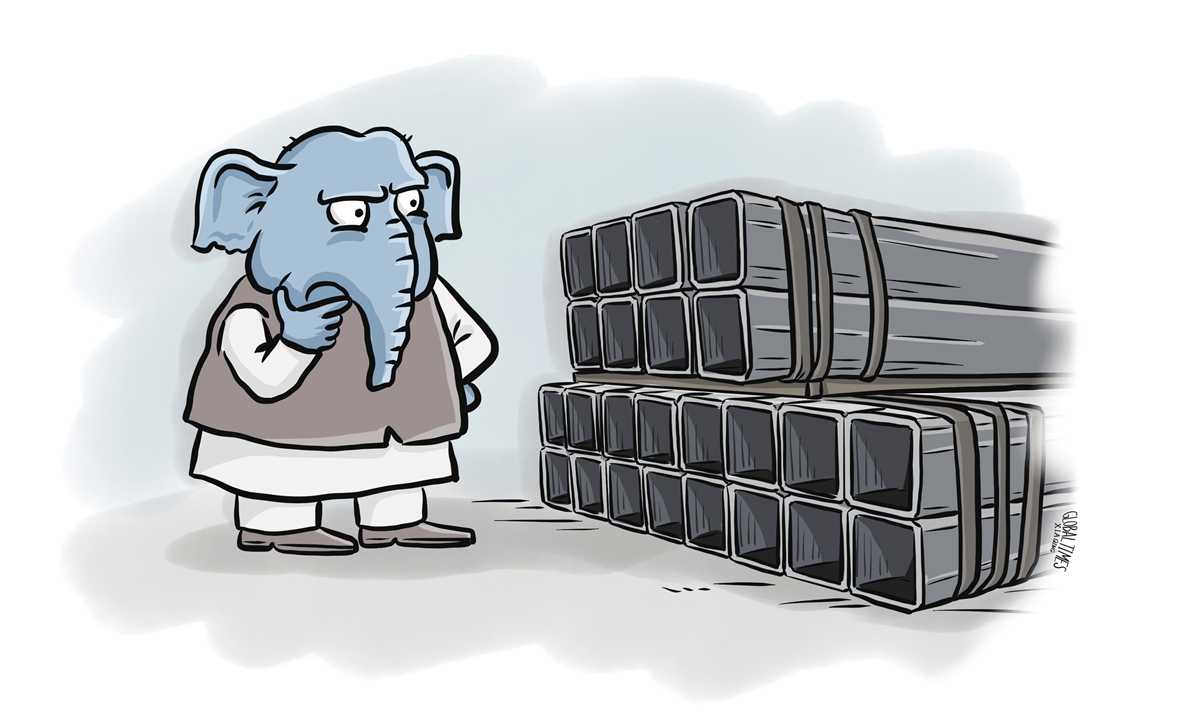
India is expanding its steel industry, but expanding steel capacity and keeping prices competitive are not quite the same thing. As India pursues its target of raising steel production capacity to 300 million tons by 2030, the cost of steel should matter as well. This is where imports come into the picture.
Imports can provide the market with another source of supply. They can help ease short-term imbalances between supply and demand. When coking coal prices are volatile, imports can also give Indian steelmakers more flexibility to adjust output and manage cost pressures. In that sense, imports are not at odds with the development of India's steel industry. They can be part of a more flexible market.
India can expand its domestic steel capacity while maintaining access to imports. Easing or removing some restrictions on steel imports could benefit the industry. One concern may be that imports could hold back India's steelmaking. But imports need not come at the expense of Indian capacity.
Greater access to imported steel could make the market more resilient and help ease price pressures, both of which matter as India's manufacturing sector continues to grow.
China is an important source of steel imports for India, and Chinese steel can also provide a cost-effective source of supply. A Reuters report in July found that Chinese steel was priced at $52 to $63 per ton below India's grades. A more open market can give Indian manufacturers greater flexibility as they respond to changes in demand and costs.
Steel is a basic input for many downstream industries, including manufacturing. As India seeks to expand its manufacturing base, it needs not only a larger steel industry, but also one that can provide stable supply and keep costs manageable for downstream producers. A more open and flexible steel market, including stronger links with global suppliers such as China, could help India strengthen the competitiveness of its manufacturing sector.
The author is a reporter with the Global Times. bizopinion@globaltimes.com.cn
RELATED ARTICLES