ARTS / CULTURE & LEISURE
70 years on, China National Symphony Orchestra sets its sights beyond short-lived hits
Symphony is a timeless global language: honorary chief conductor
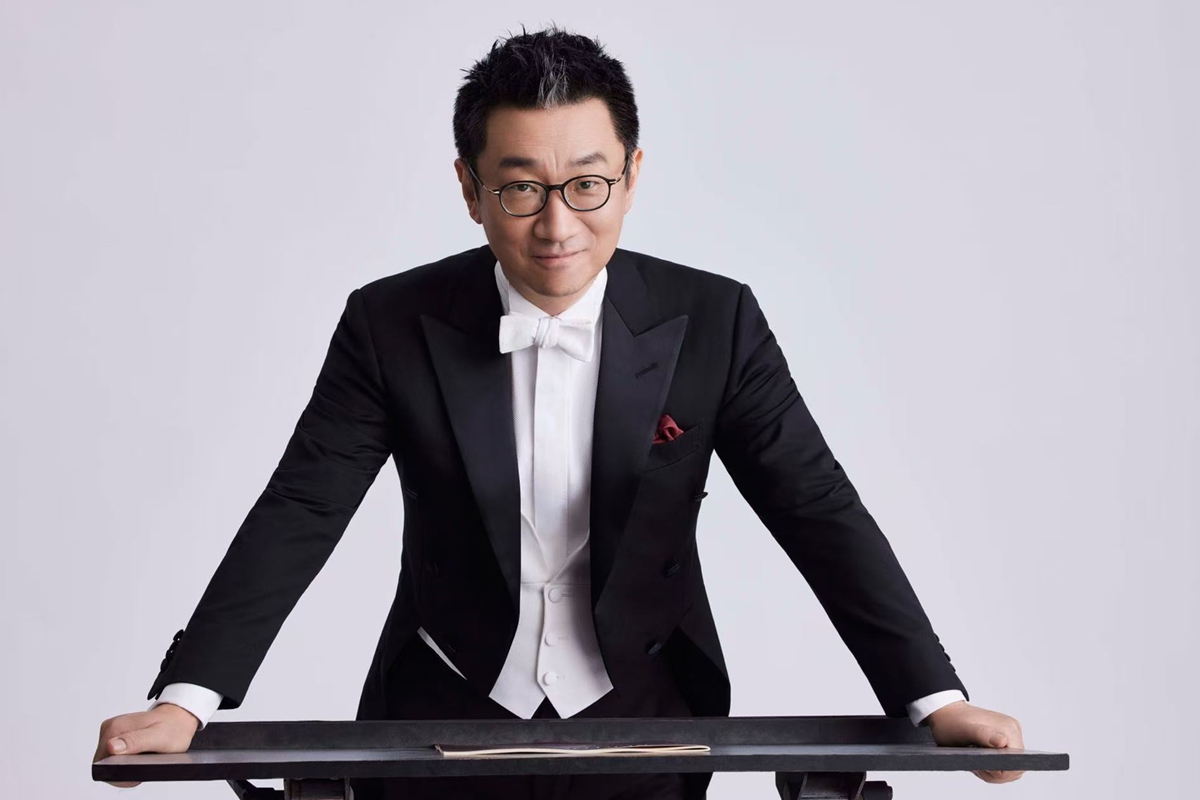
Li Xincao
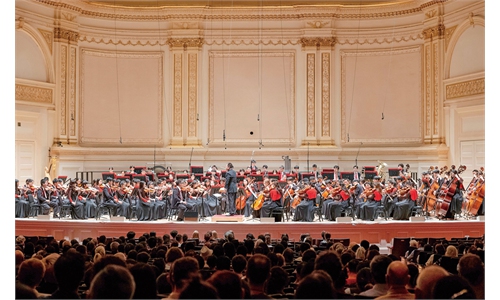
This year marks the 70th anniversary of the founding of the China National Symphony Orchestra (CNSO). Over seven decades, the orchestra has evolved alongside China's symphonic industry, excelling in interpreting Western classical masterpieces while pioneering original Chinese symphonic works, nurturing professional musical talents, and facilitating cross-cultural artistic exchanges worldwide.Standing at this milestone, Li Xincao, a renowned conductor, president of the China Conservatory of Music, and honorary chief conductor of CNSO, shared his insights on the future of Chinese symphony, its global outreach, and the essence of musical inheritance and innovation in an exclusive interview with the Global Times.
Having conducted the former central orchestra for 35 years, Li has witnessed every phase of the institution's transformation into the CNSO. For Li, what should be carried forward is clear: a rigorous and reverent artistic character, high professional standards, a commitment to serving the people, a path for symphonic music with Chinese characteristics, and an open, inclusive approach to art education and cultural exchange. "I have seen how generations of artists cared for and guided younger musicians," Li said. "That inheritance is precious."
He said that, looking ahead, the orchestra must support and refine original Chinese symphonic works, innovate in performance and communication to connect with younger audiences, and build platforms for young performers and composers.
The ideal orchestra, in his mind, should be "orthodox but not conservative, innovative but not restless," equally capable of interpreting global classics and creating Chinese symphonic treasures for the times, and staying focused on domestic audiences while reaching the international stage.
The greater challenge lies in cultural transmission. Li pointed out that Chinese traditional culture is deeply distinctive and local, which creates natural barriers abroad. Traditional instrumental music, Peking Opera, and indigenous folk music are often tied to their native contexts; once removed from those settings, overseas creators find it difficult to capture their essence. Such art forms can be presented abroad on short-term tours, but they are hard for foreign orchestras to perform and sustain independently. By contrast, Western classics such as Beethoven's works have spread globally because their means of performance and artistic logic are universally accessible.
The Butterfly Lovers is one of the few Chinese symphonic works widely performed overseas, with orchestras and soloists around the world playing it almost daily. Yet apart from it and The Yellow River Cantata, original Chinese symphonic works with both high artistic quality and global reach remain scarce. That, Li said, is the biggest bottleneck for Chinese symphonic culture going global.
The solution, he argued, is two-way: China should preserve and deepen its local traditions while breaking cultural and formal barriers through symphonic music, combining Chinese cultural and philosophical ideas with a language that musicians worldwide can perform.
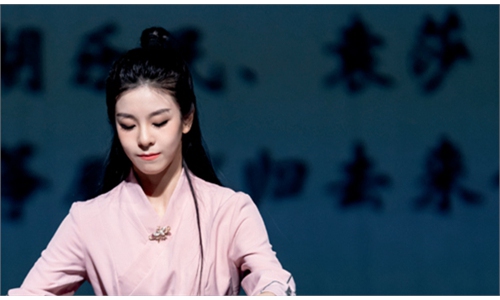
A compelling example is a concert curated and conducted by Li, featuring I Ching, a sheng (a free reed instrument with vertical pipes) concerto composed by veteran German musician Enjott Schneider.
Deeply immersed in Chinese culture through years of field visits and research, Schneider draws on traditional Chinese themes and uses Western compositional techniques to interpret Eastern philosophy. This collaboration exemplifies the vision of "adapting the ancient for today and adopting foreign achievements for China's use," encouraging more international artists to engage with Chinese cultural creation, Li explained.
On the recent global popularity of Chinese works such as Black Myth: Wukong and The Three-Body Problem, Li cautioned against treating them as the key path for Chinese culture and music.
"They belong to different cultural dimensions and cannot be generalized," he said. Viral popular works are products of their time, fitting contemporary tastes with broad and fast reach, but most are fleeting and cannot easily form lasting cultural vitality.
In contrast, symphonic classics such as The Butterfly Lovers and The Yellow River Cantata have stood the test of decades. "They retain artistic value across generations and get performed repeatedly, making them timeless treasures in the river of culture."
"Popular hits are the base of the cultural pyramid, with a vast audience; classic art is the top, with a smaller audience but enduring life. Each has its role, and neither replaces the other," Li said, adding that symphony, with its higher threshold for appreciation, is inherently a niche art and cannot achieve mass popularity like other forms of entertainment. "That is a reality determined by its artistic nature."
How, then, can ordinary listeners move from knowing about symphony to loving it? Li said the best way is to rely on the art's own charm and let the works speak for themselves. For instance, an original choral drama commemorating the musician Nie Er, which used only Nie Er's music to tell his story, offered audiences an immersive encounter with him and his inner world.
"All shallow approaches can only make people aware of symphony," Li said. "Only by experiencing the artistic core of classic works can they truly be attracted and develop love."
For Li, artistic taste varies, and not everyone will be drawn to symphony; that, too, is a normal part of the artistic ecosystem. "I myself was first captivated by the pure sound and artistic core of the works themselves."
RELATED ARTICLES