ARTS / CULTURE & LEISURE
Classical music label signing Chinese ‘guzheng’ artist marks a qualitative leap
By Published: Apr 19, 2026 10:14 PM

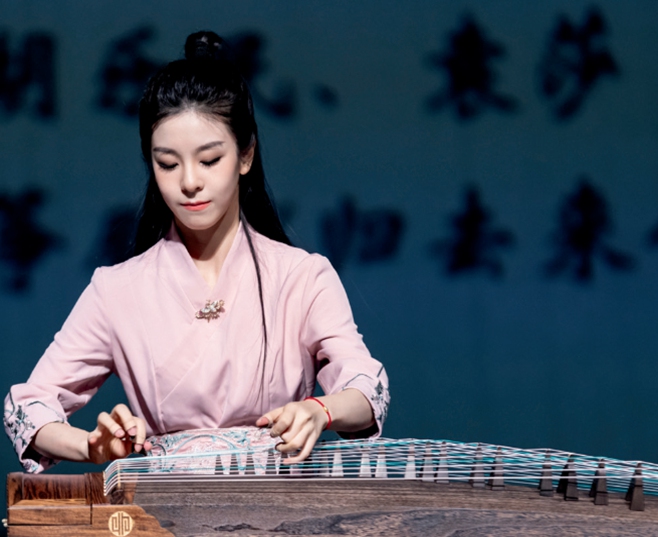
Yang Yang
In a move that has sent ripples through cultural circles, Deutsche Grammophon (DG) China recently announced the signing of China's young guzheng virtuoso Yang Yang (Hu Xuyuan). For the iconic "Yellow Label" - long regarded as the gold standard of classical music - to embrace a traditional Chinese instrument is far more than a routine commercial contract. It signals that Chinese folk music has stepped beyond viral short-video moments and entered the very heart of the global classical music industry. This move marks a qualitative leap: from occasional "cultural showcases" to genuine artistic dialogue on an equal footing.Not long ago, grassroots efforts such as those by the Zi De Guqin Studio represented an earlier, more organic phase of this journey. Through their "ancient painting revival" aesthetics and innovative "latte theory" - blending traditional essence with modern sensibilities - they brought guqin and guzheng (both are traditional Chinese musical instruments) into the daily lives of young netizens in a fresh, internet-native way. Their success demonstrated the quiet power of user-generated content in exporting Chinese aesthetics organically.
Yet DG's signing of Yang Yang represents a far more substantial industrial breakthrough. The partnership grants access to world-class recording facilities, global distribution networks, international touring support, and prestigious concert halls. The guzheng's resonant strings will no longer be confined to fleeting online clips. Instead, they will find a place in physical record stores, mainstream streaming playlists, and the world's most revered performance venues.
Chinese folk music's overseas journey is thus evolving from isolated successes to systematic, institutionalized promotion - a critical step toward claiming its rightful place on the global mainstream stage.
This development resonates deeply with the call made by Chinese Musicians Association Chairman Ye Xiaogang. In his writings, Ye has repeatedly highlighted the long-standing divide between tradition and modernity in Chinese music, urging the creation of a "new style" that fuses contemporary expression with unshakable cultural subjectivity. The question of identity - "Who are we?" - finds its most compelling answer not in theory, but in the living practice of young artists like Yang Yang.
These musicians are not mere inheritors of tradition; they are active creators who infuse ancient instruments with new vitality while preserving their cultural soul. The collaboration is a classic win-win. For DG, operating in a classical market eager for fresh voices and diversification, signing Yang Yang injects a distinctive Eastern timbre into its roster. It allows the label to seize the initiative in the rising wave of "Chinese style" and expand its artistic horizons at a time when globalization increasingly demands cultural diversity. For Chinese folk music, the partnership opens a major gateway to the world. An instrument with over two thousand years of history now has the institutional backing to resonate on the global stage.
Domestically, the guzheng has already enjoyed a stylish resurgence, appearing in Palace Museum cultural products, Chinese-style concerts, and tourism initiatives that reconnect it with younger audiences. Yet viral popularity alone is insufficient for lasting global impact. True influence requires professional endorsement and industrial support.
This is cultural confidence in action. China is no longer passively waiting to be "discovered" by the West. It is proactively contributing original works and innovative expressions to the world's artistic conversation.
The signing also reflects the broader, systematic rise of China's cultural soft power. From the digital innovation of the Palace Museum to the global appeal of Chinese-style fashion and design, Chinese culture is confidently sharing its timeless values - harmony between humanity and nature, the unity of heaven and earth, and the dynamic balance between preservation and innovation.
Of course, making traditional folk music sustainably "trendy" on the world stage will not happen overnight. Sustained progress demands continued institutional innovation: closer collaboration between Chinese conservatories and international labels, dedicated cultivation of talent in the "new style," and fuller integration of digital technologies.
Yang Yang's journey with DG is more than one artist's success story. It is a vivid emblem of Chinese culture stepping onto the global stage with dignity, creativity, and growing strength - ready not just to be heard, but to be respected as an equal voice in humanity's shared artistic heritage.
The author is a reporter with the Global Times. life@globaltimes.com.cn
RELATED ARTICLES